
Vandaag of morgen in huis

Kwaliteit gegarandeerd

Welkomstaanbiedingen ontgrendelen: GRATIS bezorging | Tot 80% korting | Gratis 30 dagen JoyPlus-proefperiode
Download de app
Choosing the right rice can sometimes feel like a daunting task. You're standing in the aisle faced with jasmine rice, basmati rice, sushi rice—the options seem endless. Which grain is the right fit for that Thai curry you want to make, or for the perfect homemade sushi? As a Joybuy Product Recommendation Officer, I'm here to help you see past the marketing jargon. This guide provides practical tips for buying the right Asian rice, ensuring your dish turns out exactly as you envisioned.
Before we get to our recommendations, here are a few key factors to help you make your choice.
The length of the rice grain largely determines its texture after cooking.
Some rice varieties are known for their unique fragrance. Jasmine rice, also known as pandan rice, has a subtle floral aroma that is released during cooking. This pairs perfectly with the flavours of Southeast Asian cuisine. Basmati rice, on the other hand, has a more nutty scent and taste. A neutral rice, like sushi rice, has very little aroma of its own and primarily absorbs the flavours of the dish.
For most households, a 1kg rice package is a practical choice. It's enough for several meals, but you won't be stuck with a huge bag if you want to try a new variety. Pay attention to the packaging itself; a sturdy, well-sealed bag helps preserve the freshness and aroma of the rice.
Based on product features and their suitability for specific dishes, we've selected some popular choices for the home cook.

Why It Stands Out This jasmine rice from Royal Tiger is known for its delicate fragrance and premium quality. The grains originate from Cambodia and have a slightly sticky texture after cooking, which is characteristic of high-quality jasmine rice. This makes it a versatile base for a wide range of Asian dishes.
Pros
Who Is It For? For home cooks looking for an authentic base for their Southeast Asian meals, from a simple stir-fry to a complex green curry.

Why It Stands Out India Gate is a renowned brand when it comes to basmati rice. This premium variety delivers what you expect from a quality basmati: extra-long grains that are fluffy and non-sticky after cooking. Its nutty aroma and velvety texture make it a go-to choice for Indian classics.
Pros
Who Is It For? Ideal for fans of Indian and Pakistani cuisine who need a rice that won't turn mushy and is perfect for layered dishes like biryani.
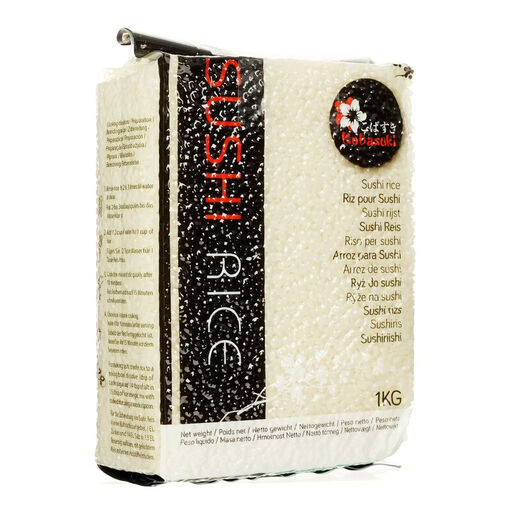
Why It Stands Out The right rice is crucial for making sushi. This sushi rice from Kobasuki is a short-grain variety that delivers the perfect sticky texture needed for maki and nigiri. The fine, round grains provide excellent cohesion without becoming mushy. The rice is vacuum-packed to guarantee maximum freshness.
Pros
Who Is It For? For anyone who wants to make sushi, onigiri (rice balls), or other Japanese dishes at home that require sticky rice.
These recommendations cover the most popular uses for Asian rice. However, if you're looking for a different variety or simply want to explore more options, we've curated a wider selection for you.
? Explore more popular 1kg rice packages here
While both are aromatic rice varieties, there are clear differences. Jasmine rice has shorter, plumper grains, a floral aroma, and becomes slightly sticky after cooking. It primarily comes from Southeast Asia. Basmati rice has longer, thinner grains, a nutty aroma, and cooks up drier and fluffier. This rice is mainly grown in India and Pakistan.
The basics for cooking rice well are almost always the same: first, rinse the rice 2 to 3 times in cold water until the water runs clear. This washes away excess starch and prevents the rice from becoming too mushy. The rice-to-water ratio and the exact cooking time vary by rice type. For example, the manufacturer of Royal Tiger Jasmine Rice recommends using 1 cup of rice to 1.5 cups of water. For the best results, always consult the instructions on the package of the rice you purchased.
Yes, the terms pandan rice and jasmine rice are often used interchangeably. The name "pandan rice" refers to the rice's aroma, which is reminiscent of the leaves of the pandan plant. They are the same type of rice.
