
Vandaag of morgen in huis

Kwaliteit gegarandeerd

Welkomstaanbiedingen ontgrendelen: GRATIS bezorging | Tot 80% korting | Gratis 30 dagen JoyPlus-proefperiode
Download de app
When you buy rice crackers, you often focus on the packaging, the brand or a striking flavour. However, these points don’t always tell you enough about what you’ll actually get. A large bag might seem convenient, but it can quickly go soft after opening. A sweet variety may also contain more sugar than you expect, while a savoury cracker can deliver a surprisingly high amount of salt.
With this buying guide, you can compare Asian rice crackers, senbei, rice cakes and other crunchy rice snacks on practical points. This way, you can make a more informed choice for home, on the go, with tea or for sharing.
A family-size bag looks appealing when you’re snacking with several people. However, always check the contents per pack and whether the crackers are individually wrapped. A large bag without portion packaging can absorb moisture more quickly after opening. This reduces the crunchy texture.
A 520g bag with 88 portions, such as WANT WANT Senbei Large, is practical for sharing. For a student, an office or one-off use, a smaller pack may be more convenient.
Many rice crackers contain soy sauce powder, which may include wheat. Always check the allergen information on the product label. For the Want Want Senbei Rice Crackers 112g, wheat and soya are listed. The Want Want Seaweed Rice Crackers 160g also contain wheat, soya and fish.
Also, be aware of the difference between glutinous rice snacks and gluten-free snacks. “Glutinous” in sticky rice usually refers to the sticky property of the rice, not to gluten. The full ingredient and allergen declaration remains the key reference.
Sweet rice crackers can contain honey, sugar or coconut. Savoury rice crackers with seaweed, soy sauce or spices may contain more salt. So compare the nutritional values per 100g. For example, the product details for Want Want Senbei 112g list 4.0g of salt per 100g, while Richy Sweet Rice Cracker 303g lists 0.5g of salt per 100g.
These values aren’t a judgement on the product, but they help you choose based on your own preferences.
Look to see whether the snack is described as baked, puffed or fried. Puffed rice snacks are often lighter, while baked crackers usually have a firmer bite. The product description for CARADA Rice Balls with Squid Flavor mentions a light, puffed rice texture. This snack has a seafood flavour with squid and is ready to eat.
A soft or chewy texture can develop from moisture after opening. So store rice crackers in a cool, dry place, away from direct sunlight and in a well-sealed pack.
Choose based on when you want to eat the snack:
Also check whether the flavour comes from real ingredients. For example, Yuki & Love Rice Cracker with Seaweed 70g lists 1.7% seaweed. For Bin Bin Seaweed Rice Crackers, that figure is 0.8%.
For a lunchbox, office or train journey, individually wrapped snacks are practical. The Want Want Seaweed Rice Crackers 160g are individually wrapped and therefore suitable for sharing. For a family or movie night, a larger pack may work out more cost-effective, provided you seal the bag properly.
For frozen products, check the preparation method extra carefully. TCT Glutinous Rice Cake Taro Filling 250g is not a ready-to-eat rice cracker: this snack needs to be steamed or heated in the microwave and must be stored at a maximum of -18 °C.
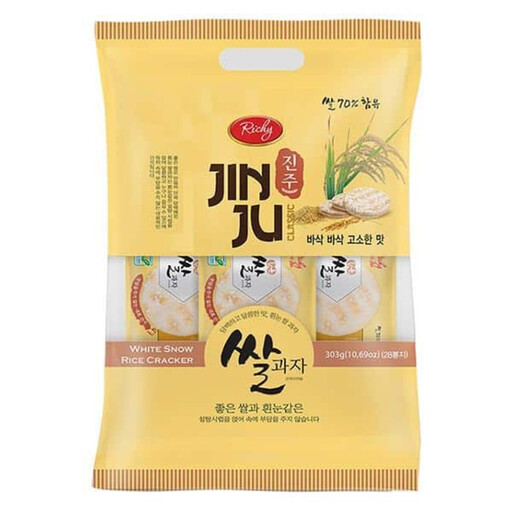
Why this fits the profile: The 303g pack is suitable for storing at home and sharing with several people. The flavour is described as mildly sweet.
The nutritional information and ingredients are clearly stated. With 0.5g of salt per 100g, you can easily compare it with savoury options.
303g contents, ready to eat and made with 60% japonica rice according to the product information.
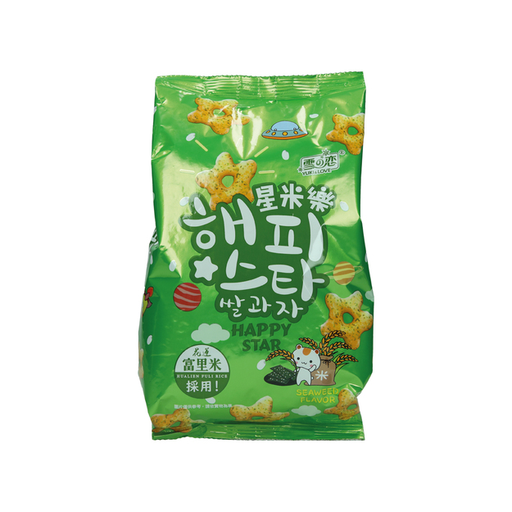
Why this fits the profile: A compact portion for anyone specifically looking for a rice cracker with seaweed and a clear ingredients list.
The amount of seaweed is listed as 1.7%. This makes it clear that the flavour doesn’t have to be judged solely from the front of the pack.
70g contents, 1.7% seaweed and 466 kcal per 100g according to the product information provided.
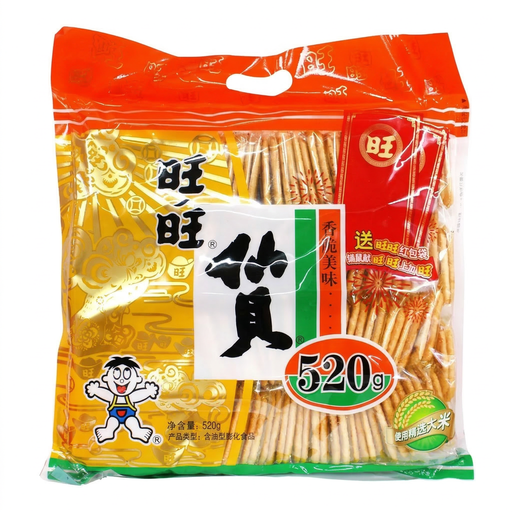
Why this fits the profile: The family-size bag with 88 packs is designed for regular sharing, for example with visitors, tea or a movie night.
The portion packaging limits the number of crackers exposed to air and moisture at any one time. Always check the current packaging and best-before date.
520g contents, 88 packs and a savoury senbei profile according to the product description.
We’ve put together a full, up-to-date list of products that fully meet these strict selection criteria and comply with current European safety regulations.
Not automatically. Rice itself doesn’t contain gluten, but soy sauce, wheat starch or flavour powders can contain wheat. If you have an allergy, always check the packaging and allergen information.
Keep them in a cool, dry place, away from direct sunlight and moisture. Seal the pack tightly. Individually wrapped Asian rice crackers generally retain their original texture for longer than crackers in an opened, loose bag. Always follow the storage advice on the label.
Senbei are Japanese rice crackers with a usually savoury, sweet or sweet-salty flavour. Rice cakes are often larger, lighter and more simply seasoned. The exact composition varies by brand and product, so look at the ingredients, flavour and preparation method.
