
Vandaag of morgen in huis

Kwaliteit gegarandeerd

Welkomstaanbiedingen ontgrendelen: GRATIS bezorging | Tot 80% korting | Gratis 30 dagen JoyPlus-proefperiode
Download de app
Rice crackers seem like a simple choice for a snack or appetizer. They're crunchy, come in countless flavors, and often have a healthier image than potato chips. But on the shelf, you're met with a wall of choices: from airy, flavored rice cakes to authentic Asian rice crackers. The reality is that not every cracker delivers on its packaging's promise.
Many people fall into two common traps:
This guide helps you look past the marketing and find the rice crackers that truly match your taste and preferences.
To avoid a bad purchase, it's smart to check two core elements. This will take you a few seconds in the supermarket or webshop but will save you the disappointment of a soggy or tasteless cracker.
The front of the package tells you what the manufacturer wants you to know. The back tells you the facts. Pay special attention to:
flavored rice cakes like barbecue or cheese. A lower number is generally a better indicator for a snack.Asian rice crackers are fried to achieve that signature crispy texture. Palm oil is often used for this. This isn't necessarily good or bad, but it's useful information if you want to make more conscious choices.Not all rice crackers are the same. The texture and flavor experience depend heavily on the type:
Japanese crackers, are harder, denser, and crunchier. They are typically made from rice flour, baked or fried, and then glazed with something like soy sauce. This provides a deeper umami flavor. Brands like Bin Bin crackers are a well-known example. They are ideal as appetizers and come in flavors ranging from sweet-and-salty to distinctly spicy snacks.By recognizing the type, you'll have a better idea of the texture and flavor intensity to expect.
To help you get started, we've matched some popular choices with different preferences.
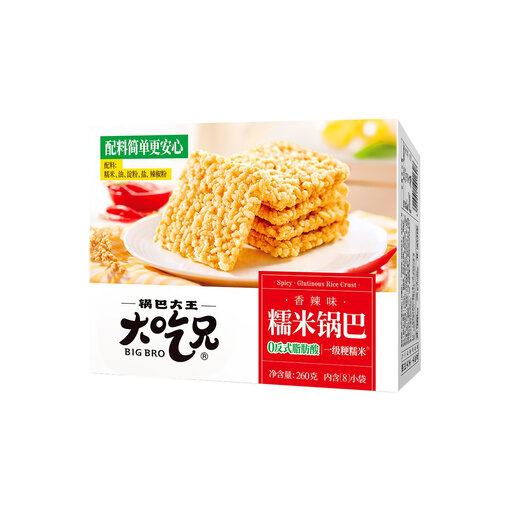
Why This Fits Their Persona: Perfect for those looking for a snack that truly has a kick. These crackers offer a balanced but distinct heat that you don't often find on the standard supermarket shelf. Ideal to accompany an Asian meal or as a bold party snack.
This cracker bypasses the 'flavor disappointment' trap. The chili powder in the ingredients list ensures an authentic spicy taste, not a vague 'spicy' suggestion.
Large 260g package, ideal for sharing. The simple ingredient list allows the flavor of the grains and chili to shine through.
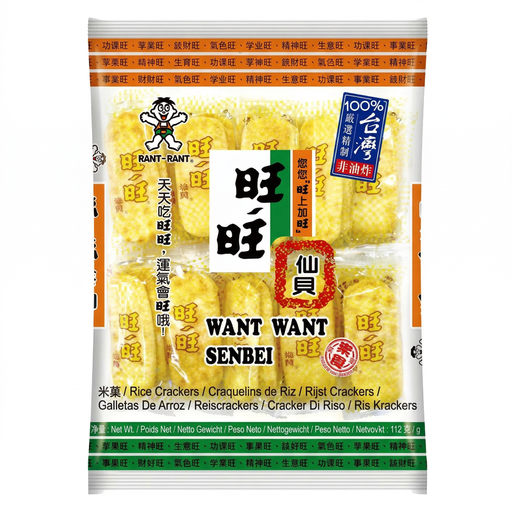
Why This Fits Their Persona: A true classic that's a hit with almost everyone. These senbei crackers have the perfect balance of sweet and salty. A safe but delicious choice for the appetizer platter that isn't too exotic for the average guest.
This is a typical senbei cracker, so you get the expected hard, crunchy texture, not the airiness of a rice cake. The flavor is consistent and recognizable.
Subtle sweet-and-salty flavor that is widely appreciated. The crispy, baked texture is a pleasant change from standard savory snacks.
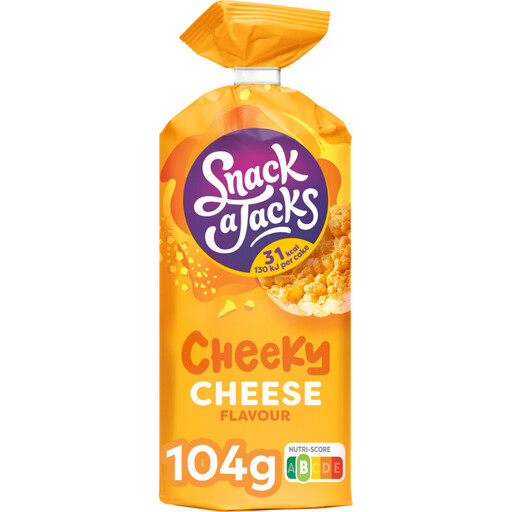
Why This Fits Their Persona: For those who want to snack but are also watching their calories. These cheese-flavored rice cakes offer a crunchy and savory snack without leaving you feeling heavy. The familiar flavor makes it an approachable choice.
This product tackles the 'healthy illusion' trap by being transparent. The manufacturer, PepsiCo, clearly states the low calorie count per cake (30 kcal), so you know exactly what you're getting.
Low in calories and a relatively low sugar content (2.4g per 100g). The combination of brown rice and corn provides a light, airy texture.
We have compiled a complete, up-to-date list of products that fully meet these strict selection criteria and Dutch regulations.
The main difference lies in the preparation and texture. Rice cakes are made from whole rice grains that 'puff' under heat and pressure, resulting in a light, airy structure. Asian rice crackers, like Japanese senbei, are made from rice flour formed into a dough, then baked or fried, and often finished with a glaze. This makes them harder, denser, and crunchier, with a more intense flavor.
Moisture is the greatest enemy of a crispy cracker. Once opened, it's best to store them in an airtight container or bag in a cool, dry place. Many Asian crackers, like those from Bin Bin, are individually wrapped. This is ideal for maintaining freshness per serving.
Not by definition, but it is a reason to be extra vigilant. The flavor coating often adds sugar, salt, and sometimes fat. A plain rice cake is usually the purest option. If you still want a flavor, compare the nutritional tables of different options and choose the one with the lowest amount of sugar and salt per 100 grams.
