
Vandaag of morgen in huis

Kwaliteit gegarandeerd

Welkomstaanbiedingen ontgrendelen: GRATIS bezorging | Tot 80% korting | Gratis 30 dagen JoyPlus-proefperiode
Download de app
The charm of retro items is undeniable. A touch of nostalgia can instantly add character to an interior or serve as a perfect, unique gift. But the search for that perfect find can feel like a minefield. Many "retro" items look great online but turn out to be a disappointment in person. They're made from inferior materials or are so impractical that they disappear into a cupboard after just a week.
Before you invest in a new piece for your retro interior, it's wise to know what to look for. We'll discuss the most common pitfalls and give you practical advice to make a smart choice.
The popularity of vintage and retro styles has led to a flood of products on the market. Unfortunately, not all of them are high quality. Here are two common problems:
To avoid wasting money, focus on a few objective characteristics. These specifications will help you see through the marketing jargon and assess the quality of vintage home accessories.
The material is often the most important indicator of quality. A product made of ceramic, solid metal, or durable plastic not only feels sturdier but also typically lasts longer. Pay attention to the finish: are the edges neat? Is the colour even? Items described as "antique decoration" should have a finish that looks authentic, not like a hastily applied coat of paint. For instance, when you're buying something in a 70s style, check if the materials and colours are appropriate for that period, even if it's a modern reproduction.
A retro item should fit into your daily life. Therefore, always check the practical aspects:
These details determine whether your new acquisition becomes a beloved everyday item or a frustrating mistake.
A common mistake is failing to check the dimensions. A plant stand that looks perfect in a photo might overwhelm a small room. A storage basket could be much smaller in reality than you expected. Always check the length, width, and height in the product description and compare it to the space where you plan to place the item.
To help you get started, we've selected a few products that score well on the points mentioned above. We've matched them to different needs and user types.
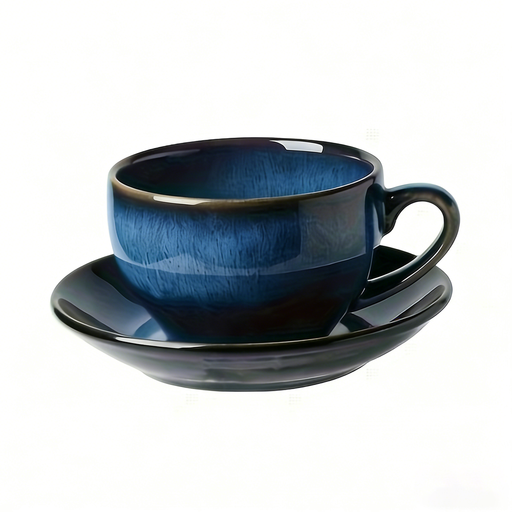
Why This Fits Their Persona: This is an accessible way to add a touch of retro to your daily routine. It's a small, affordable item that instantly brings atmosphere to the breakfast table or your desk, without a major investment.
This isn't cheap plastic, but solid ceramic. It's designed for daily use and combines a retro look with the functionality you expect from a modern mug.
Made from durable ceramic. The timeless design with a saucer adds an elegant and functional detail.
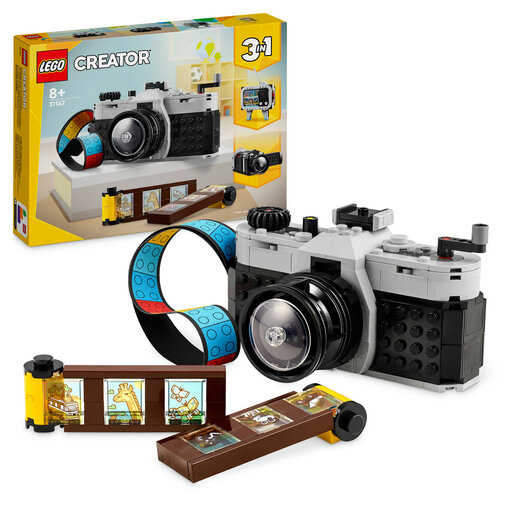
Why This Fits Their Persona: This is more than an object; it's an experience. Perfect for those looking for a unique and interactive gift that evokes a sense of nostalgia for all ages. It's one of the more creative nostalgic gifts you can find.
Instead of a fragile antique item, you get a robust LEGO set. The 'function' here is the joy of building and the display value, and this set excels at both. It's designed to be built and played with.
Offers a 3-in-1 building experience (camera, video camera, or TV). Combines the fun of play with high decorative value after assembly.
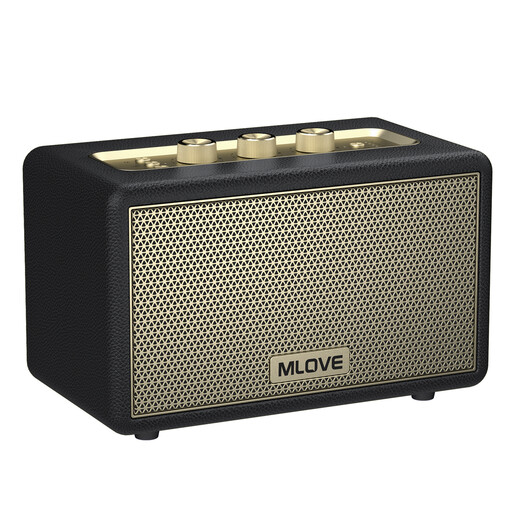
Why This Fits Their Persona: For those who want the aesthetics of the past but refuse to compromise on modern technology. This speaker is a statement piece for your retro interior that can actually be used every day for music or podcasts.
This product perfectly solves the 'style over substance' trap. It's not an old radio with crackling sound, but a speaker with modern audio technology wrapped in a classic design.
Combines a vintage look with modern technology like Bluetooth 5.3, TWS support, and a USB-C charging port.
We have compiled a complete, up-to-date list of products that fully meet these strict selection criteria and UK regulations.
Although the terms are often used interchangeably, there is a slight difference. Vintage typically refers to products that are actually from a past era (usually 20 to 100 years old). Retro refers to new products that imitate the style of a previous era, such as the '50s, '60s, or '70s. The products in this article are primarily retro: newly made, with a nostalgic design.
A good rule of thumb is the 80/20 rule: keep your base 80% modern and add 20% retro accents. This prevents your home from looking like a museum. Choose one or two standout retro items, like an armchair or a sideboard, and complement them with smaller accessories such as cushions, lamps, or the vintage home accessories mentioned above.
Maintenance depends on the material. For ceramic, metal, and most plastics, wiping with a soft, damp cloth is sufficient. Avoid abrasive cleaning agents. For textiles, such as bedding or cushions, it's important to always check the washing label. For electronics: keep them dust-free and away from direct sunlight to prevent discolouration.
