
Vandaag of morgen in huis

Kwaliteit gegarandeerd

Welkomstaanbiedingen ontgrendelen: GRATIS bezorging | Tot 80% korting | Gratis 30 dagen JoyPlus-proefperiode
Download de app
Buying a new refrigerator seems simple until you dive into the specifications. Manufacturers advertise enormous volumes, smart features, and whisper-quiet models. But in reality, the promised space is often disappointing, you never use that expensive Wi-Fi function, and the appliance makes a disruptive noise in your open-plan kitchen.
As a Joybuy Product Recommendation Officer, I see the challenges consumers face daily. Before you make a decision, it's wise to know the most common pitfalls.
Therefore, let's focus on the specifications that truly matter.
To make the right choice, you don't need to comb through a technical manual. Pay attention to the following three points, and you'll be well on your way to finding the perfect refrigerator for your situation.
Since 2021, the energy label has been updated and now runs from A (most efficient) to G. An energy-efficient refrigerator with a C or D rating is a very smart choice these days. The annual consumption, expressed in kWh per year, gives a concrete indication of the costs. A more efficient model might have a higher purchase price, but it often pays for itself over its lifespan through a lower energy bill.
A freestanding refrigerator offers flexibility, but always measure the available space (height, width, and depth) before making a purchase. Also, account for the necessary ventilation space at the back and sides. The most common types are:
A No Frost refrigerator is one of the most practical innovations. A special ventilation system extracts moist air from the freezer compartment, preventing ice build-up. This means you never have to manually defrost the freezer again. Moreover, it ensures a more stable temperature, which improves the shelf life of your frozen goods and keeps energy consumption consistently low.
To help you see these specifications in action, we've highlighted a few models that suit different households and needs.

Why This Fits Their Persona: This tabletop model is ideal for those conscious of space and budget. With 95 litres of cooling space and a 14-litre freezer compartment, it offers enough capacity for a one or two-person household without taking up unnecessary room.
This model focuses on the core functions: efficient cooling and freezing. No costly extras, but it does have a very favourable energy rating and a low noise level.
Highly energy-efficient with an energy rating of C and an annual consumption of just 89 kWh. Additionally, at 37 dB, it's a quiet refrigerator.
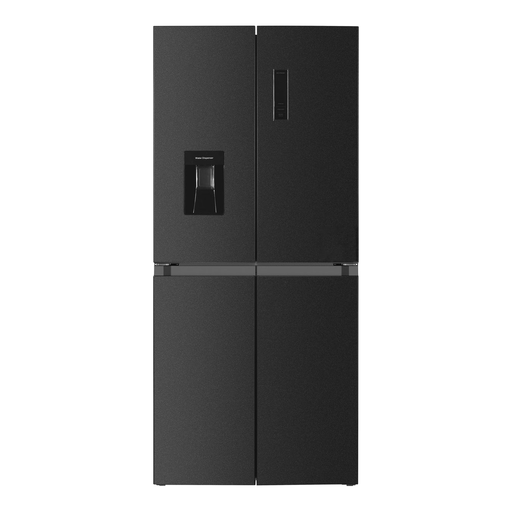
Why This Fits Their Persona: With a total net capacity of 419 litres, this American-style refrigerator from Frilec offers more than enough space for a family's weekly groceries. The layout with 6 freezer drawers ensures a clear overview.
The water dispenser is refillable and doesn't require a costly water line connection. The net capacity is clearly specified, so you know exactly how much usable space you're getting.
Equipped with Total No-Frost technology, so you never have to defrost again. The model has a favourable energy rating of C and a modern dark stainless steel finish.
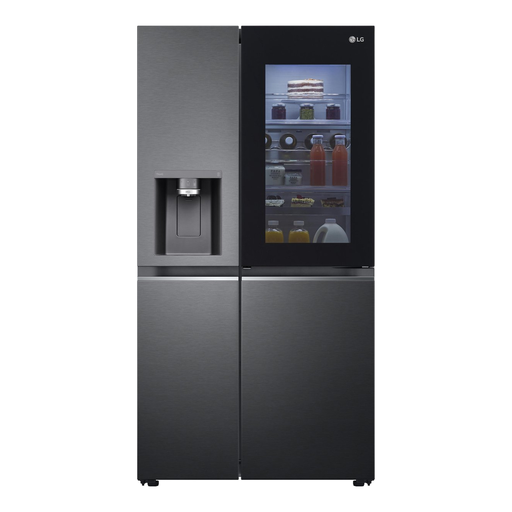
Why This Fits Their Persona: This LG refrigerator combines a massive capacity (635 litres) with a sleek, matte black finish. The InstaView Door-in-Door feature, which lets you see inside by knocking twice, is a practical and eye-catching element.
The 'smart' features here are focused on practical benefits. InstaView reduces cold air loss, which saves energy. The ThinQ app offers convenient remote control, not a superfluous gimmick.
According to LG, the Inverter Linear Compressor ensures fewer temperature fluctuations. At 36 dB, this is a very quiet refrigerator, ideal for an open-plan kitchen.
We have compiled a complete, up-to-date list of products that meet these strict selection criteria and local regulations.
A refrigerator is generally considered quiet when its noise level is below 38 decibels (dB). Models around 35-36 dB are virtually inaudible and an excellent choice for an open-plan kitchen or studio apartment. Remember that every 3 dB reduction means a halving of the perceived noise.
No Frost is a technology that prevents ice from forming in the freezer compartment. A fan circulates cold, dry air, which stops moisture from freezing onto the walls or your products. The main advantage is that you never have to manually defrost the freezer, which saves time and effort.
Yes, this is an important step. After transport, it is recommended to let the refrigerator stand upright for at least 2 to 4 hours before plugging it in. This allows the coolant to settle back into the compressor. If you skip this step, you risk damaging the cooling system.
