
Vandaag of morgen in huis

Kwaliteit gegarandeerd

Welkomstaanbiedingen ontgrendelen: GRATIS bezorging | Tot 80% korting | Gratis 30 dagen JoyPlus-proefperiode
Download de app
Buying a new refrigerator seems simple—until you dive into the specifications. You're bombarded with marketing terms, and each model appears more advanced than the last. But which features do you really need, and what are you paying extra for unnecessarily? As a Product Recommendation Officer at Joybuy, I cut through the noise and provide you with practical guidance. Let's look at the three most common pitfalls so you can make an informed decision.
Pitfall 1: Fixating on the Energy Label A good energy label (like A or B) is appealing, but it doesn't tell the whole story. The actual cost depends on the annual energy consumption in kilowatt-hours (kWh). A huge energy-efficient refrigerator with an A label can consume more power annually than a compact small refrigerator with a D label. The total cost is determined by consumption, not just the letter on the label.
Pitfall 2: The Promise of a 'Quiet' Refrigerator No one wants a refrigerator that's constantly humming, especially in an open-plan kitchen. Manufacturers often advertise with the word 'quiet', but what does that mean? The noise level, expressed in decibels (dB), is the only objective measure. A difference of just 3 dB is a doubling of the sound. A truly quiet refrigerator has a noise level of 38 dB or lower.
Pitfall 3: The Inconvenience of Ice Buildup Cheaper models often use static cooling. This inevitably leads to ice buildup in the freezer compartment, which reduces efficiency and forces you to manually defrost the refrigerator. A No Frost refrigerator prevents this entirely by circulating the air, saving you time and effort.
Before you consider a refrigerator deal, it's important to understand the core specifications that truly make a difference in daily use.
The first step is to determine the right model for your kitchen and household.
fridge-freezer to a compact small refrigerator.The required capacity depends on your household:
As mentioned earlier, these are two crucial specifications for your wallet and your living comfort.
The No Frost technology is one of the most useful innovations. It prevents ice buildup in the freezer compartment, ensuring the refrigerator remains efficient and you never have to defrost again. Many modern fridge-freezers, like those from Samsung, are equipped with this feature.
Based on objective specifications, we have selected a number of models that suit different needs and budgets.
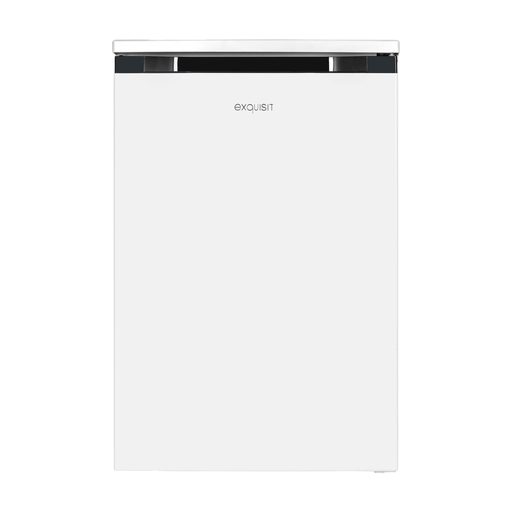
Why This Fits Their Persona: This tabletop model is compact and, with 107 litres of cooling space and a 13-litre freezer compartment, offers enough room for groceries for a one or two-person household. Ideal for a student dorm or first apartment.
With a C energy label and a consumption of just 87 kWh per year, this model is very economical. Its noise level of 37 dB also makes it genuinely quiet, helping you avoid the pitfalls of high costs and noise disturbance.
Very energy-efficient (87 kWh/year) and quiet (37 dB) for its price range. The door hinge is reversible for flexible placement.
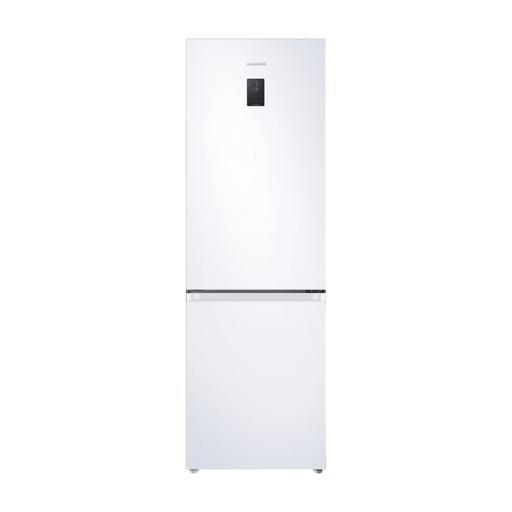
Why This Fits Their Persona: With a total capacity of 344 litres, this fridge-freezer offers plenty of space for a family. The SpaceMax technology provides more interior space without increasing the appliance's external dimensions.
The No Frost technology eliminates the pitfall of manual defrosting. Furthermore, you can monitor energy consumption via the SmartThings app, helping you keep costs under control.
Never defrost again thanks to No Frost. The Wi-Fi connectivity with AI Energy Mode actively helps to save energy.
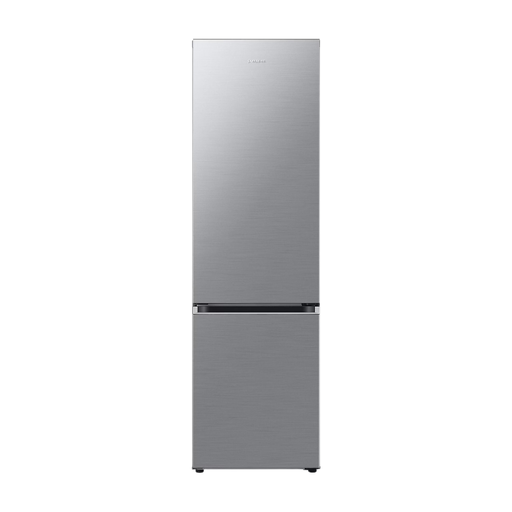
Why This Fits Their Persona: For those seeking top quality. This model combines a very spacious capacity (385 litres) with the latest technologies like Twin Cooling and Metal Cooling to keep food fresh for longer.
This model tackles both pitfalls. With an A energy label and a consumption of 87 kWh, it is extremely efficient for its size. The noise level of 29 dB is whisper-quiet, so you'll barely hear it.
Extremely energy-efficient (A label) and exceptionally quiet (29 dB). The Cool Select+ drawer offers flexible temperature zones for different types of food.
We have compiled a complete, up-to-date list of products that fully meet these strict selection criteria and local regulations.
You can easily calculate this yourself. Find the annual energy consumption in kWh on the refrigerator's energy label. Multiply this number by the current price per kWh you pay your energy supplier (for example, €0.30). A refrigerator with a consumption of 150 kWh per year will then cost you 150 x €0.30 = €45 per year.
A refrigerator lasts on average about 10 to 15 years. The lifespan depends on the quality of the appliance, how well it is maintained (e.g., keeping the condenser clean), and the intensity of its use.
Yes, this is an important step. During transport, the coolant in the system may have shifted. By letting the refrigerator stand upright for a few hours after placement (usually 4 hours is recommended, but always consult the manual), the fluid can settle back into the compressor. This prevents damage when you turn it on.
