
Vandaag of morgen in huis

Kwaliteit gegarandeerd

Welkomstaanbiedingen ontgrendelen: GRATIS bezorging | Tot 80% korting | Gratis 30 dagen JoyPlus-proefperiode
Download de app
Buying a new refrigerator seems simple—until you dive into the specifications. Manufacturers use a lot of marketing terms that create more confusion than clarity. This can lead to you paying for features you don't need or ending up with an appliance that doesn't meet your expectations. Let's look at a few common pitfalls so you can make an informed decision.
Pitfall 1: Focusing Blindly on the Energy Label An energy-efficient refrigerator with a good label (like C or D) sounds like a wise choice. But the label alone doesn't tell the whole story. The actual annual energy consumption in kilowatt-hours (kWh) is the most important factor for your wallet. Two refrigerators with the same energy label can have a significant difference in consumption. So, always compare the kWh number.
Pitfall 2: The "No Frost" Promise A No Frost refrigerator promises an end to defrosting. While convenient, check if this applies to the entire appliance. Sometimes, only the freezer section is No Frost, while the refrigerator section can still build up ice. "Low Frost" is another term you'll encounter. This reduces ice formation, but you will still need to defrost the freezer manually from time to time.
Pitfall 3: Ignoring the Noise Level In an open-plan kitchen or studio apartment, the sound of a refrigerator can be disruptive. A quiet refrigerator has a noise level of 38 decibels (dB) or lower. A difference of just 3 dB is clearly audible. This specification is often overlooked, leading to regret later on.
To avoid a bad purchase, focus on the specifications that matter in practice.
Don't just measure the niche height and width; also account for the necessary ventilation space. A freestanding refrigerator typically needs 5-10 cm of space at the back and sides to dissipate heat. The most common types are:
The new energy label runs from A (most efficient) to G (least efficient). As mentioned, the annual energy consumption (kWh) is the most important indicator of long-term cost. A model with a slightly higher purchase price but lower kWh consumption can pay for itself over the years.
Choose the technology that suits your lifestyle:
Here are some models that are a good match for different needs, based on their specifications.
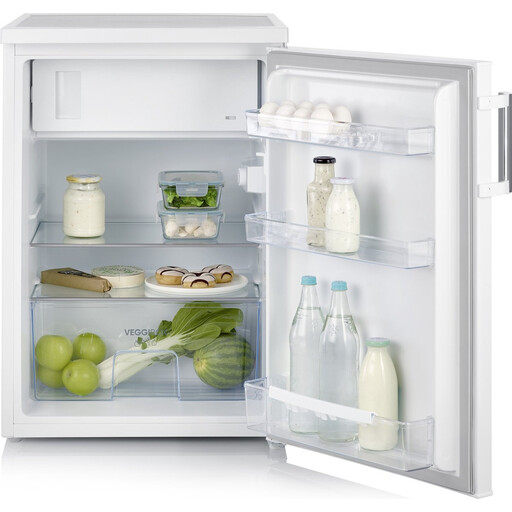
Why This Fits Their Persona: This tabletop model is compact and fits perfectly in a small kitchen or student room. It offers sufficient cooling space (107L) and a small freezer compartment (13L) for basic needs, without unnecessary extras.
With a C label and a low annual consumption of 87 kWh, this is a truly energy-efficient choice. The noise level of 37 dB makes it a quiet refrigerator, ideal for a studio apartment.
Practical layout with a large vegetable drawer and bright LED lighting. A no-nonsense solution that gets the job done.

Why This Fits Their Persona: With a total capacity of 330 litres (232L cooling, 98L freezing), this fridge-freezer combination offers enough space for a whole family's groceries. The reversible door provides flexibility in kitchen placement.
This model tackles the pitfalls head-on: it features full No Frost technology and a very low noise level of just 35 dB, making it an exceptionally quiet refrigerator.
No more defrosting and a quiet kitchen. The electronic controls with an LED display make setting the temperature simple and precise.
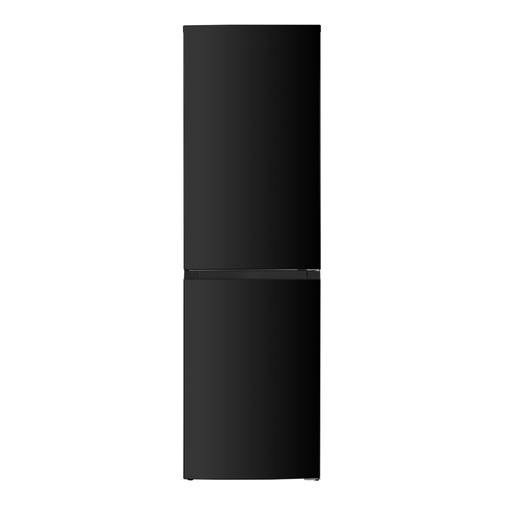
Why This Fits Their Persona: For those who want to make a statement in their kitchen. This stylish black refrigerator combines a modern look with practical functionality. Its finish fits well with various interior design styles.
This model is more than just a pretty face. It has No-Frost technology in the freezer section and an acceptable noise level of 39 dB, ensuring that design doesn't come at the expense of comfort.
Spacious layout with 247 litres of total capacity, including a large vegetable drawer and three freezer drawers. The combination of style and functionality is the main selling point here.
A new refrigerator is a significant purchase. To make the process as smooth as possible, you might consider using a refrigerator installation service. Technicians will place the appliance in the correct spot, connect it, and ensure it is level.
Have an old appliance? Many suppliers offer a service to collect your old refrigerator and recycle it responsibly. This saves you a trip to the recycling center and ensures your old fridge is processed correctly. Check out the options for freestanding model installation or the recycling service.
We have compiled a complete, up-to-date list of products that meet these selection criteria and Dutch regulations.
1. How much space should I leave behind and next to my freestanding refrigerator? Generally, it is recommended to leave about 5 to 10 centimetres of free space at the back and sides. This is necessary for proper air circulation, allowing the refrigerator to dissipate heat and operate efficiently. Always consult the manual for your specific model for the exact recommendations.
2. What is the difference in energy costs between a C-label and an E-label refrigerator? This depends entirely on the annual kWh consumption, not just the letter on the label. For example, suppose a C-label refrigerator consumes 150 kWh per year and an E-label model consumes 220 kWh. At an average electricity price of €0.30 per kWh, you would save (220 - 150) * 0.30 = €21 per year with the C-label model. Therefore, always compare the kWh number to calculate the actual savings.
3. Is a No Frost refrigerator really necessary? It's not essential, but it offers a great deal of convenience. A No Frost system prevents ice from forming in the freezer, meaning you never have to defrost it manually. This not only saves time and effort but also ensures the refrigerator runs more efficiently and maintains a constant temperature. For many people, this added comfort is worth the investment.
