
Vandaag of morgen in huis

Kwaliteit gegarandeerd

Welkomstaanbiedingen ontgrendelen: GRATIS bezorging | Tot 80% korting | Gratis 30 dagen JoyPlus-proefperiode
Download de app
Choosing a new refrigerator can feel like navigating a maze of energy labels, technical terms, and clever marketing. The result? You either pay too much for features you don't use, or you're stuck with an appliance that becomes a source of irritation within a year. Before you make a decision, it's wise to understand the most common pitfalls.
Pitfall 1: The "energy-efficient" deception. A good energy label (like A or B) sounds appealing, but it doesn't tell the whole story. A giant American-style refrigerator with a B label can still consume significantly more power annually than a smaller fridge-freezer with a D label. Don't get fixated on the letter grade; instead, look at the specific annual energy consumption in kWh. That's the figure that ultimately shows up on your energy bill.
Pitfall 2: The No Frost myth. Many manufacturers advertise "No Frost," but not every technology is the same. Sometimes it only applies to the freezer section, meaning you still have to manually defrost the fridge compartment. True Total No Frost systems prevent ice build-up throughout the entire appliance, which saves you time and effort and keeps cooling performance consistent.
Pitfall 3: Impractical layout and incorrect capacity. A refrigerator that's too large is an unnecessary energy drain, while a model that's too small leads to cramming and poor air circulation. Think carefully about your lifestyle. Do you do a big weekly shop or pick up fresh produce daily? An illogical layout, such as too few freezer drawers or awkward door compartments, can cause daily frustration.
To avoid a bad purchase, focus on a few core specifications. These determine how well the refrigerator will fit into your daily life.
The first step is choosing the right model for your household and kitchen space.
These two factors determine the running costs and comfort in your home.
Ice build-up in your freezer reduces efficiency and costs you storage space.
Below are a few models that suit different Dutch households, selected based on their specifications.
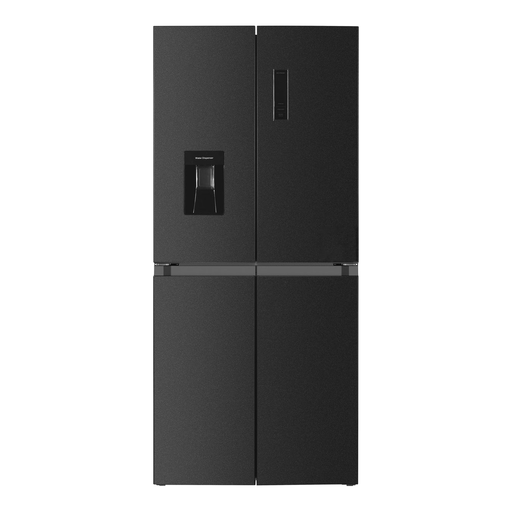
Why This Fits Their Persona: With 419 litres of total capacity (269L fridge, 150L freezer), there's more than enough room for a large family's weekly groceries. The refillable water dispenser provides chilled water without a complex plumbing connection, and the numerous drawers and compartments make organisation simple.
The Total No-Frost technology completely prevents ice build-up, so you never have to defrost. Its C-label is relatively efficient for a refrigerator of this size, avoiding the pitfall of high energy costs with a large appliance.
Very spacious and flexible layout with four doors. The dark stainless steel finish provides a modern look.
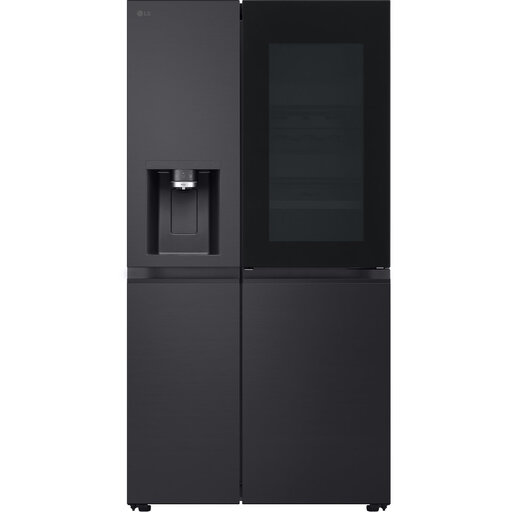
Why This Fits Their Persona: This black refrigerator is a design statement. The InstaView door (knock to see inside) and the water and ice dispenser appeal to lovers of technology and convenience. Its massive 628-litre capacity offers all the space needed for a modern lifestyle.
This model is a conscious choice for design and features, not for maximum energy efficiency (label D). It avoids the pitfall of an unexpectedly high bill by being transparent about its consumption in exchange for premium features.
Unique InstaView Door-in-Door feature and a very low noise level of 35 dB, which is exceptionally quiet for an American-style refrigerator.

Why This Fits Their Persona: This tabletop model fits perfectly in a small space and, with 109 litres of capacity (95L fridge, 14L freezer), offers enough storage for a one or two-person household. It's a no-frills, practical solution for a limited budget and space.
Many cheap, small refrigerators are energy hogs. This model has an energy label C and a very low annual consumption of 89 kWh. This helps you avoid the pitfall of high running costs on a seemingly inexpensive purchase.
Very energy-efficient and quiet (37 dB). The reversible door offers flexibility when placing it in a small kitchen.
We have compiled a complete, up-to-date list of products that meet these selection criteria and Dutch safety regulations.
No Frost (or Total No Frost) is a system that actively prevents ice formation throughout the entire appliance using air circulation. You never have to manually defrost the freezer. Low Frost significantly reduces ice build-up, but manual defrosting is still necessary over time (usually once a year).
This depends on the specific model and your electricity rate. A simple way to estimate is to multiply the annual energy consumption in kWh (found on the energy label) by your current price per kWh. For example, a model with a consumption of 100 kWh/year at a rate of €0.30/kWh would cost €30 per year.
No, it is recommended to let a new refrigerator stand upright for a few hours (usually 2 to 4 hours, check the manual) after transport before plugging it in. This allows the coolant and oil in the compressor to settle, which is essential for proper operation and a long lifespan.
