
Vandaag of morgen in huis

Kwaliteit gegarandeerd

Welkomstaanbiedingen ontgrendelen: GRATIS bezorging | Tot 80% korting | Gratis 30 dagen JoyPlus-proefperiode
Download de app
Red dates, also known as jujubes or Chinese dates, are rapidly gaining popularity. Whether you know them from Asian cuisine or are seeking a healthy snack, the selection can be overwhelming. Not all red dates are created equal, and marketing can make it difficult to see what you're really buying. As a Joybuy Product Recommendation Officer, I'll help you cut through the noise so you can make a choice that fits your needs.
Before you fill your shopping cart, it's wise to understand a few common pitfalls that can lead to a disappointing purchase.
To avoid these pitfalls, there are a few objective specifications you can check. This will help you make an informed choice based on facts rather than marketing claims.
The origin is a key indicator of quality. Xinjiang dates, for example, are highly sought-after. This region is known for its dry climate with long hours of sunshine and large temperature differences between day and night. These conditions contribute to the development of a higher natural sugar content and a fuller, richer flavour. Dates from this region are often fleshier and have a pleasant texture, making them suitable for both direct consumption and for cooking with red dates.
The way the dried jujubes are processed determines the purity of the product.
Consider what you want to use the red dates for. This will determine the form you need.
Based on these objective criteria, we have selected a number of products that suit different user profiles.

Why This Fits Their Persona: This person is looking for a pure, unprocessed, and convenient snack. These pitted dates are ready to eat and have a natural, sweet flavour without any additives.
The ingredient list states "Jujube (100%)", avoiding the pitfall of hidden sugars and additives. What you see is what you get.
Pitted and ready-to-eat: maximum convenience. No additives: retains the natural flavour and nutritional value.
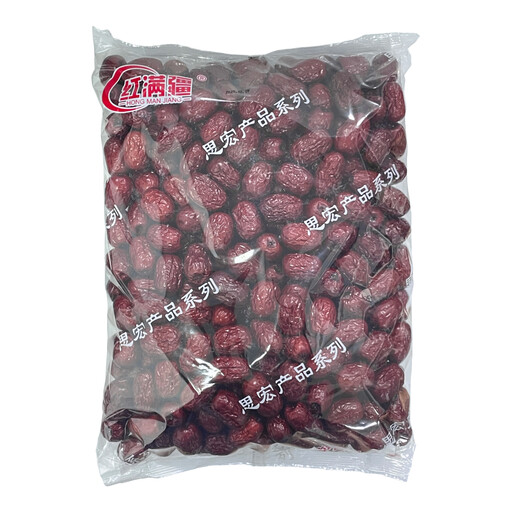
Why This Fits Their Persona: For those who regularly cook with red dates, a high-quality bulk package is ideal. These dates from Xinjiang are full of flavour and perfect for traditional soups and stews.
This product tackles the 'wrong variety' and 'unknown origin' pitfalls. The premium 'super grade' quality from Xinjiang is specifically suited for cooking, where the flavour is well-preserved.
Bulk package (2.5 kg): cost-effective for frequent users. Premium Xinjiang origin: renowned for the rich, sweet flavour that is ideal for culinary applications.
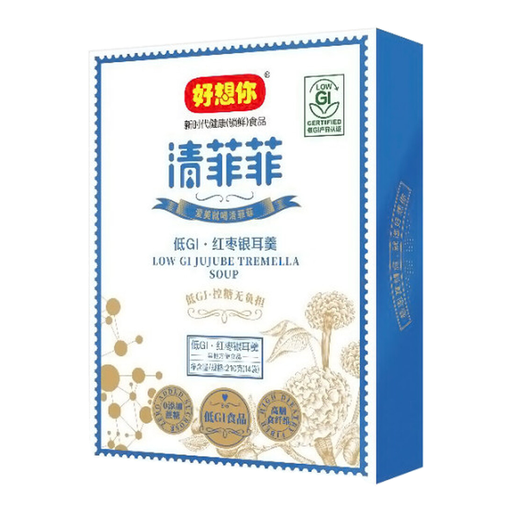
Why This Fits Their Persona: This person is short on time but still wants a nutritious and light meal. This instant soup in individual sachets is perfect for the office or on the go. Just add hot water, and it's ready.
This product is specifically designed for convenience, solving the problem of 'not knowing what to do with red dates'. It's a complete, balanced solution, not just a single ingredient.
Extremely convenient: ready in minutes with hot water. Individually packaged: perfect for portability. According to the Haoxiangni brand, the formula is 'Low GI'.
We have compiled a complete, up-to-date list of products that fully meet these strict selection criteria and current regulations.
Dried red dates are best stored in a cool, dry, and dark place, such as a pantry. Use an airtight container or jar to protect them from moisture and to maintain freshness. Storing them in the refrigerator can further extend their shelf life.
Yes, it is good practice to briefly rinse dried red dates under cold running water before using them. This removes any dust or debris from the drying and packaging process. Pat them dry with a clean cloth or paper towel afterwards.
Although the name is similar, they are two completely different fruits. The red date (jujube) comes from the Ziziphus jujuba tree and has a firmer, apple-like texture when fresh. When dried, it is slightly chewy and mildly sweet, and is widely used in Asian cuisine and for tea. The dates you typically find in Western supermarkets (such as Medjool or Deglet Nour) come from the date palm (Phoenix dactylifera). These are much sweeter, softer, and stickier, and are usually eaten directly as a sweet treat.
