
Same-day & Next-day Delivery

Quality Guaranteed

Unlock Your Welcome Offers: FREE Delivery | Up to 80% OFF | Free 30-day JoyPlus trial
Download the APP
Ramen noodles have become a staple in many kitchens. Whether it's for a quick student lunch, an easy weeknight dinner after a long day at work, or simply because you're craving a warm bowl of noodle soup, the convenience is undeniable. But the online selection is overwhelming, and not every package delivers on its promise.
Before you order ramen online, it's wise to be aware of a few common pitfalls. This will help you avoid disappointment and ensure you get value for your money.
To make a good choice, it's helpful to focus on a few specific product features rather than on marketing.
The noodles are the foundation of any bowl of ramen. Their texture determines a large part of the eating experience.
The flavour of the broth is what defines a bowl of ramen. The most common Japanese broth bases are:
By looking for these terms, you'll get a much better idea of the flavour profile than with generic labels like "chicken" or "pork."
Below are a few highlighted choices for different preferences and situations, based on their product specifications.
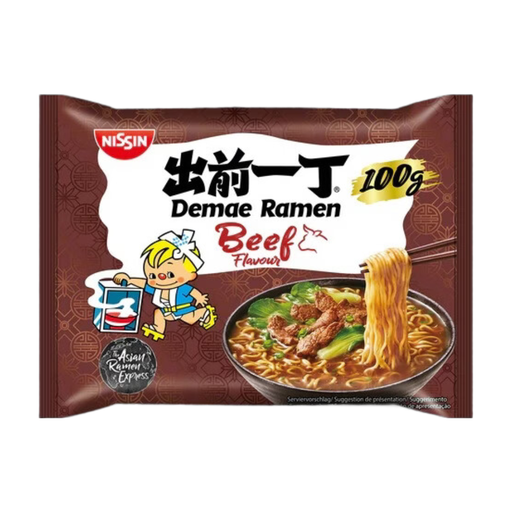
Why This Fits Their Persona: Perfect for students or young professionals looking for a quick, affordable, and familiar meal. No fuss, ready in minutes, and the flavour is exactly what you'd expect from a classic instant noodle.
This product is straightforward. The packaging suggests toppings, but the contents are clear: noodles, seasoning powder, and oil. No false promises.
Very quick preparation time and a classic, savoury beef flavour. A reliable choice for the pantry.
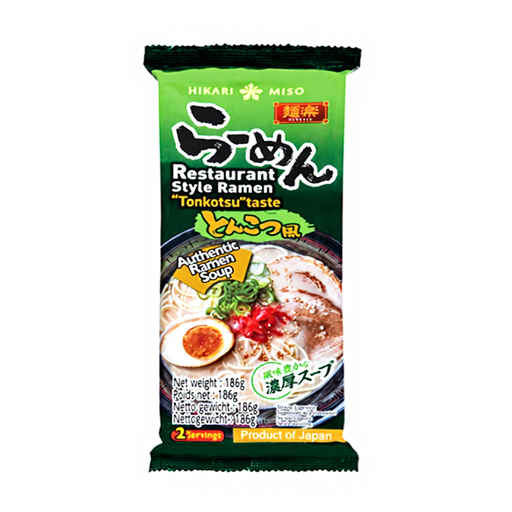
Why This Fits Their Persona: For those who want an at-home experience closer to a Japanese ramen restaurant. This product is designed to deliver a deep, complex flavour that goes beyond standard instant noodles.
The name is specific: Tonkotsu and Miso. This sets a clear flavour expectation. The term "Restaurant Style" is supported by a more complex ingredient list featuring pork extract and miso.
Rich, creamy broth with the deep umami flavour of tonkotsu and miso. The noodles are a premium, non-fried type for a better texture.
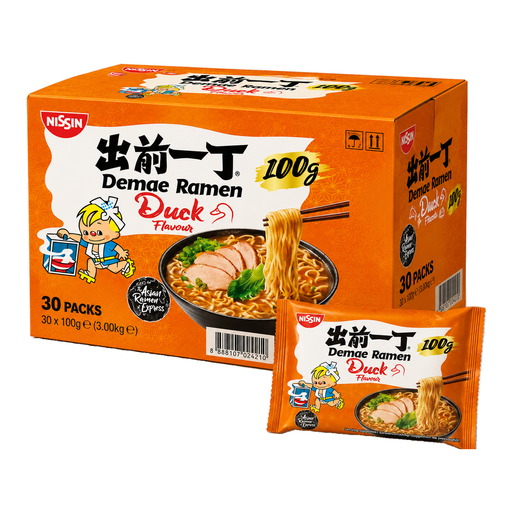
Why This Fits Their Persona: Ideal for families or anyone who likes to keep a well-stocked pantry. A bulk pack is cost-effective and ensures you're never without a quick meal option.
This is a box of 30 packs. The focus is on quantity and convenience, not a one-off gourmet experience. You know exactly what you're buying: a large supply of a reliable product.
Economical bulk pack, which lowers the price per serving. The consistent flavour and quality of a well-known brand like Nissin.
We have compiled a complete, up-to-date list of products that meet these selection criteria.
The main difference often lies in the broth and the intended eating experience. Japanese noodles often try to replicate a specific, regional style, such as the tonkotsu ramen from Fukuoka or the miso ramen from Sapporo. The broth is the star of the dish. Other instant noodles sometimes have a more generic flavour, like 'chicken' or 'shrimp', without the depth of a specific broth base.
The beauty of instant ramen is that it's a perfect canvas for your own creativity. Simple additions can significantly elevate your meal. Consider:
The heat level of spicy ramen can vary greatly by brand and product. What is mild to one person may be too hot for another. Many packages use chilli icons to indicate the heat level. A good tip is to start with half of the seasoning packet. You can always add more later if you enjoy an extra kick.
