
Same-day & Next-day Delivery

Quality Guaranteed

Unlock Your Welcome Offers: FREE Delivery | Up to 80% OFF | Free 30-day JoyPlus trial
Download the APP
Whether you sprinkle them over your salad, mix them into your yoghurt, or enjoy them as a savoury snack with drinks, pumpkin seeds are a versatile addition to your pantry. But when buying pumpkin seeds, it's easy to fall into a few common traps. Many products look similar, but the quality and taste can vary dramatically.
Before you fill your shopping basket, it's wise to know what to look for. We often see consumers disappointed by two specific issues:
To ensure you choose the right pumpkin seeds for your needs, whether for a recipe or as a healthy snack, there are three simple specifications to check.
The way the seeds are processed has the biggest impact on their taste and use.
Not all pumpkin seeds are created equal. The origin and type of pumpkin determine the size, colour, and whether they are eaten with or without the shell.
A short ingredient list is often a good sign. For pure pumpkin seeds, there should only be one ingredient listed: pumpkin seeds. With salted pumpkin seeds, you expect to see seeds, salt, and possibly a little oil. Be wary of long lists with flavour enhancers, preservatives, or sugars, unless you are specifically looking for a seasoned variety.
Based on these criteria, we have highlighted several popular choices that suit different preferences and uses.
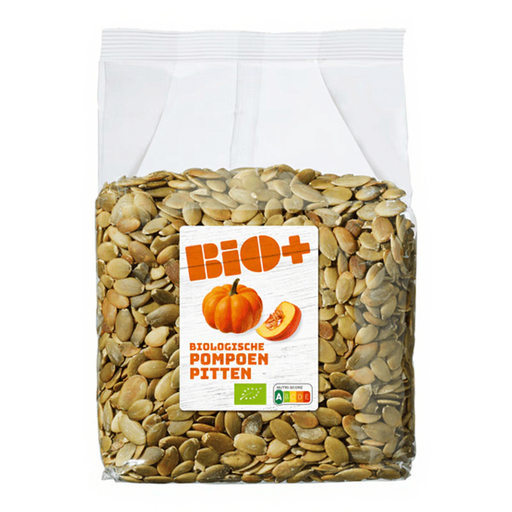
Why This Fits Their Persona: Ideal for those who love to cook and bake with pure ingredients. These seeds are unprocessed, giving you complete control over the flavour and preparation in your dishes, from breakfast to dinner.
This product completely bypasses the "healthy snack" trap. The ingredients list contains only organic pumpkin seeds, with no hidden salt, sugar, or other additives.
100% organic and unprocessed. The large 500-gram pack is practical for regular use in the kitchen.
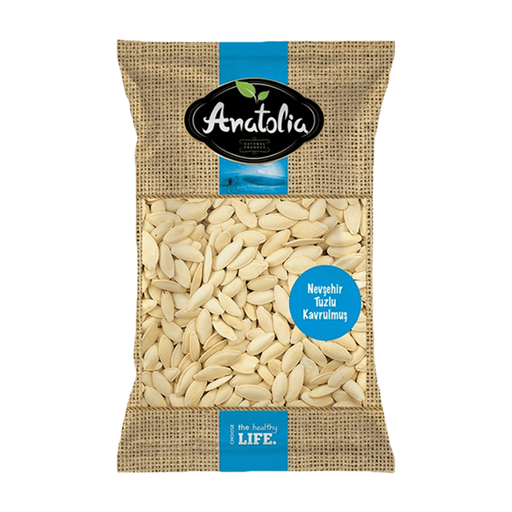
Why This Fits Their Persona: For those looking for a classic, ready-to-eat snack for movie night or with drinks. These Turkish pumpkin seeds are roasted and salted, with the signature edible shell for extra crunch.
This is a straightforward product. You get what you expect: roasted and salted pumpkin seeds. No unexpected flavours or additives, which avoids the trap of misleading marketing.
Authentic Turkish style with an edible shell. The large 340-gram bag is ideal for sharing.
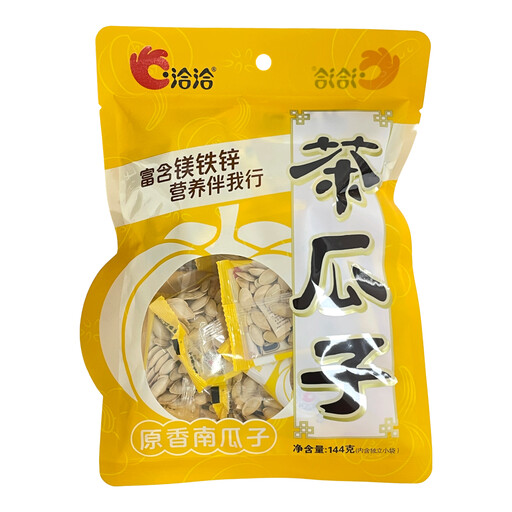
Why This Fits Their Persona: For those who want something different from standard salt. According to the manufacturer Chacha, these seeds are enriched with a subtle green tea aroma, creating a unique and refined taste experience.
This product is transparent about its unique flavour profile. It's not a generic "spice mix" but a specific combination that will appeal to fans of Asian snacks.
Unique flavour from the addition of green tea. The seeds are full-bodied and retain their natural aroma, according to the product description.
To keep pumpkin seeds crunchy and fresh, store them in a cool, dry, and dark place, such as a pantry. An airtight jar or resealable bag is ideal for protecting them from moisture and air. Raw seeds, in particular, can become rancid over time due to their natural oils, so it's best to consume them within a few months.
Yes, the white shell of roasted Turkish pumpkin seeds is edible and enjoyed by many people. The shell adds extra fibre and a salty, crunchy texture. The smaller, green pumpkin seeds (pepitas) are typically sold and eaten without the shell.
The main difference lies in the variety and processing. Turkish pumpkin seeds are usually larger, white, and are roasted and salted with the shell on to be eaten as a snack. "Regular" pumpkin seeds, often called pepitas, are the green kernels without the shell. These are more versatile for culinary use, such as in salads, bread, or muesli, and are available both raw and roasted.
