
Vandaag of morgen in huis

Kwaliteit gegarandeerd

Welkomstaanbiedingen ontgrendelen: GRATIS bezorging | Tot 80% korting | Gratis 30 dagen JoyPlus-proefperiode
Download de app
Buying pulses may seem simple, but the range varies considerably in terms of type, preparation, packaging and nutritional value. Tinned garden peas are ready to use, while dried split peas need to be soaked or cooked first. Two packs with the same name may also have different drained weights, salt levels or storage instructions.
These practical checks will help you compare products more objectively. That makes it easier to choose between garden peas, broad beans, edamame, black beans, white beans, chickpeas and other pulses for everyday meals.
With tinned pulses, the total weight often includes the product, water and possibly salt. The drained weight tells you how many peas or beans you will actually have left. With a small 155 or 195 gram tin, this difference matters when you are cooking for several people.
With frozen vegetables, the weight is usually the weight of the frozen product. Dried pulses increase in volume during cooking. So do not compare only the price per pack, but also the price per 100 grams and the quantity you need per meal.
A short ingredients list is useful, but it does not automatically say anything about flavour, texture or origin. Check whether the product contains only peas or beans, or also water, salt, flavourings or other ingredients. Brand claims are not independent proof. According to information provided by HAK, certain peas are processed immediately after harvesting; always check the packaging for the current ingredients and nutritional values.
Tinned products are convenient for a quick salad, soup or side dish. Dried beans and peas require more preparation and a longer cooking time. Frozen products must remain frozen and, according to the product instructions, should not be refrozen once thawed.
The wrong choice will often not result in a poor product, but it can make planning more difficult. So first decide what you want to use the pulses for.
The ingredients list should match your preferences. A product containing only dried peas is different from a tin containing water and salt. Also check the allergen information, particularly for soya beans and products that may contain traces of gluten.
Use the nutritional table per 100 grams to compare products fairly. Look at protein, fibre, salt, fat and carbohydrates, rather than relying solely on claims on the front of the pack. For example, HAK 1/4 Split Peas Extra Fine lists 4.5 grams of fibre, 4 grams of protein and 0.21 grams of salt per 100 grams. The information on the packaging remains the most authoritative source.
For a one-off meal, 155 to 400 grams may be enough. Families or people who regularly make soup, curry or salads may benefit more from a larger pack, such as 1 kg of dried green split peas or a multipack.
Pay attention to the storage instructions:
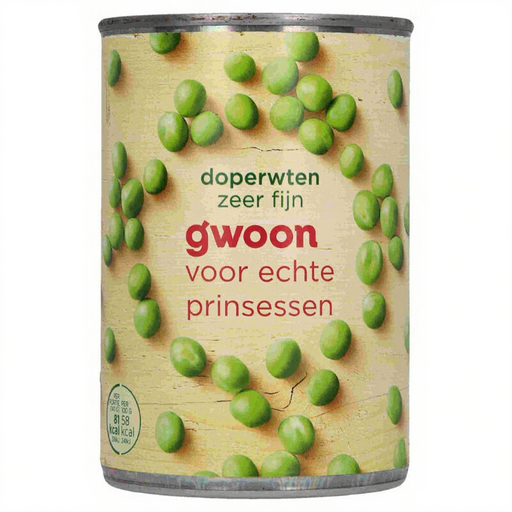
Why it suits this profile: A 400-gram tin is practical for building up your first stock and can be used straight away in a weekday meal.
The product information lists peas and water as ingredients. Check the current label and drained weight before ordering.
400-gram pack; according to the product information, 5.5 grams of fibre and 0.02 grams of salt per 100 grams.
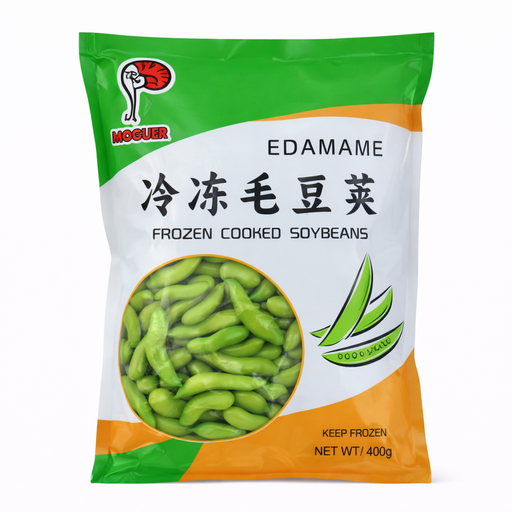
Why it suits this profile: The cooked edamame is intended for people who use larger quantities of soya beans in salads, meals or as a snack.
The product information explicitly lists cooked soya beans and salt. This means you do not need to spend a long time preparing dried beans; do check the label for soya as an allergen.
1 kg pack; cooked and frozen; product information states 0 grams of added sugars per 100 grams.
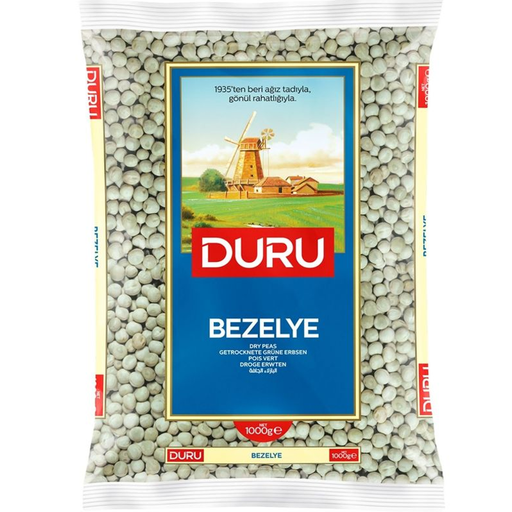
Why it suits this profile: A kilogram of dried green split peas is well suited to home cooks who regularly make soup, purée or stews.
The product type and contents are clearly stated: 100% green split peas, 1 kg. Bear in mind the preparation required and the possibility of traces of gluten.
Large pack; 100% green split peas; according to the product information, 23 grams of protein per 100 grams.
If you want to cook quickly, choose garden peas, broad beans or tinned pulses. For meal prep, frozen vegetables such as edamame are convenient, provided you have enough freezer space. Dried pulses are suitable when you can plan the preparation and want to make larger quantities.
If you use pulses several times a week, you can combine different pack sizes: for example, dried black beans or chickpeas for stews and a small tin for a quick lunch. With white beans and fava beans, always check whether they are whole, peeled, cooked or already seasoned.
We have compiled a complete, up-to-date list of products that fully meet these strict selection criteria and the applicable European safety regulations.
It depends on the price per 100 grams and the final cooked weight. Dried beans often provide a larger quantity, but require water, cooking time and planning. Tinned products may cost more per gram, but are ready to use straight away.
Unopened dried pulses can be kept until the date on the packaging, provided they are stored in a cool, dry place in a sealed container. For opened tins and jars, follow the advice on the label. Frozen edamame must remain frozen and, once thawed, should be used within the stated period.
Rinsing can remove excess liquid and some of the salt present. Drain the beans thoroughly afterwards. Check the ingredients list and salt content for each product, particularly when adding several tins to one dish.
