
Vandaag of morgen in huis

Kwaliteit gegarandeerd

Welkomstaanbiedingen ontgrendelen: GRATIS bezorging | Tot 80% korting | Gratis 30 dagen JoyPlus-proefperiode
Download de app
Buying pulses online seems straightforward, until you realise that a pack of dried chickpeas needs different preparation from a jar of cooked white beans. Terms such as “premium”, “high in protein” and “authentic flavour” only tell you so much, so check the ingredients, preparation instructions and nutritional information too.
For households in the Netherlands, vegetarians, vegans and fans of Indian, Turkish and Asian cooking, these are the main pitfalls to watch out for:
Dried pulses such as kidney beans, black beans, soya beans, mung beans and chickpeas usually need more preparation. Rinse them, soak them according to the pack instructions and cook them thoroughly. It’s especially important to cook kidney beans thoroughly, so follow the preparation instructions on the packaging.
Tinned or jarred pulses are handy for a quick salad, curry, soup or meal. Check the liquid and salt content. A product in water and salt can be used straight away, but draining and rinsing it may affect the flavour of your dish.
Frozen products such as edamame and garden peas are practical for portions you want to add straight to a stir-fry, soup or rice dish. Keep them frozen and don’t refreeze them once thawed.
A short ingredients list makes it easier to compare products. g'woon Whole Green Beans contains green beans, water and citric acid. HAK 3/4 Split Peas Fine contains peas, water and sea salt. Cock Brand Premium Black Bean lists 100% black beans.
That doesn’t automatically mean that every product with more ingredients is unsuitable. It does help you see whether you’re buying a basic product or a variety with added salt, thickener or acidity regulator.
Check allergen information too. Soya beans and edamame are covered by EU allergen information requirements for soya, even if the product description doesn’t make this clear. Sunlee Peeled Split Mung Bean states that the product may contain traces of cereals containing gluten, peanuts, nuts and sesame. If in doubt, go by the packaging.
Compare nutritional values per 100 g, not just per pack. Dried beans and lentils are relatively nutrient-rich per 100 g, but absorb water as they soak and cook. Tinned or jarred products are ready to use, so their values per 100 g may differ.
Pay particular attention to:
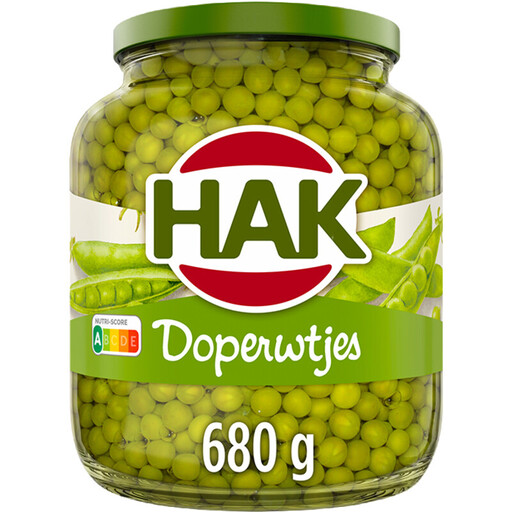
Why it suits this shopper: This jar is ideal if you want a base for purée, mash or soup without soaking or a long cooking time.
The packaging lists peas, water and sea salt, so you can see exactly what you’re buying and what preparation, if any, is still needed.
680 g, Nutri-Score A according to the product information, and 4.5 g of fibre per 100 g.
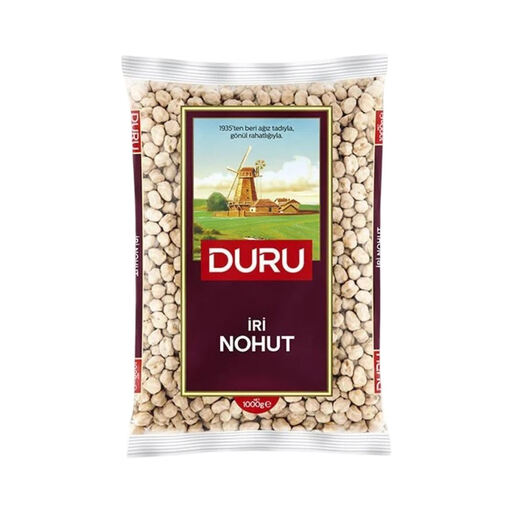
Why it suits this shopper: A generous pack for anyone who regularly makes hummus, curry, salads or Turkish dishes.
The product information makes it clear that these are dried chickpeas, so you can allow time for soaking and cooking.
1 kg, suitable for a wide range of recipes and part of the Turkish range.
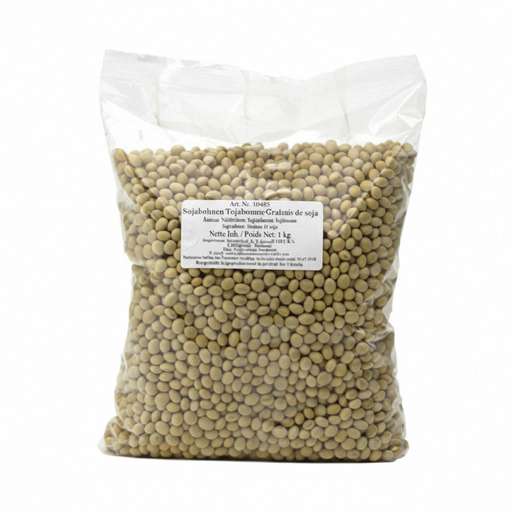
Why it suits this shopper: For anyone who wants to make their own soya milk, tofu, soya paste or other dishes using soya beans.
The ingredients list states that it contains 100% soya beans. The preparation suggestion also recommends soaking for 8–12 hours.
1 kg, suitable for a range of uses and ideal for vegetarian and vegan recipes. Soya is an EU-listed allergen.
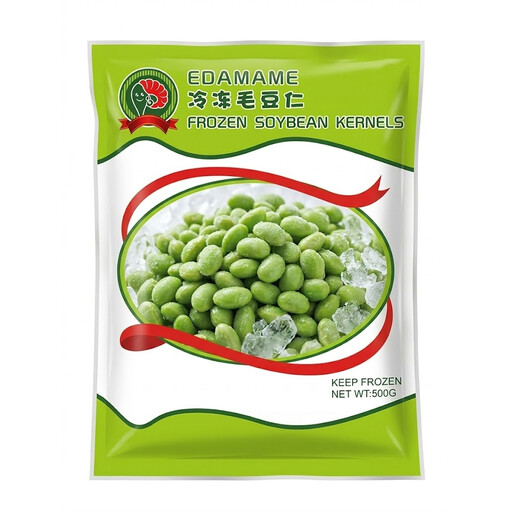
Why it suits this shopper: Frozen edamame is handy for stir-fries, salads, soups and a quick snack.
The product information clearly states that it must be kept frozen and must not be refrozen once thawed.
500 g, suitable for salads, soups and hot dishes; store in the freezer.
We’ve put together a complete, up-to-date list of products that meet these strict selection criteria and current European safety regulations.
Beans, chickpeas, lentils, split peas, mung beans and soya beans are plant-based ingredients often used in vegan dishes. Always check the full ingredients list and allergen information, especially for prepared products.
It depends on the pack, portion size and how much you use. Dried beans are often practical for larger quantities and meal prep, but need water, preparation and cooking time. Tinned or jarred beans may cost more for the equivalent dry quantity, but save time.
Store dried pulses in a cool, dry, dark place, and seal them tightly after opening. Always follow the use-by or best-before information on the packaging. Before use, check that the packaging is undamaged and that the beans have no unusual smell or signs of moisture.
