
Vandaag of morgen in huis

Kwaliteit gegarandeerd

Welkomstaanbiedingen ontgrendelen: GRATIS bezorging | Tot 80% korting | Gratis 30 dagen JoyPlus-proefperiode
Download de app
Whether you want to build muscle mass, recover faster after a workout, or simply increase your daily protein intake, the range of protein products can be overwhelming. The shelves are packed with tubs of protein powder, boxes of bars, and ready-to-drink shakes. Unfortunately, not all products are what they seem. Many packages make promises they can't keep, causing you to waste money on products that don't align with your goals.
As a Joybuy Product Recommendation Officer, I'll help you cut through the marketing jargon. Let's look at two common pitfalls and discover what you really need to pay attention to.
Pitfall 1: The Percentage Game A common marketing trick is to advertise a high protein percentage. A claim like "90% protein" sounds impressive, but this percentage might refer to the raw material before flavourings, sweeteners, and other additives are included. The final product you buy could have a significantly lower protein content per serving.
Pitfall 2: Hidden Sugars and Calories You need to be especially careful with a protein bar or a weight gainer. Some bars are marketed as a healthy snack but contain almost as much sugar as a regular candy bar. This can hinder your progress, especially if your goal is fat loss or eating low-sugar protein.
To avoid making the wrong choice, there are a few objective specifications you should always check. These factors determine whether a product is suitable for your body and your goals, such as muscle growth or muscle recovery.
Not all protein is created equal. The source determines how quickly your body absorbs it and for what purpose it is most suitable.
Standing in front of the shelf? Flip the package over and ignore the front for a moment. The nutrition label is where the facts are. Don't just look at the grams of protein; also pay attention to:
Based on objective product specifications, we have selected a few popular choices that fit different user profiles.
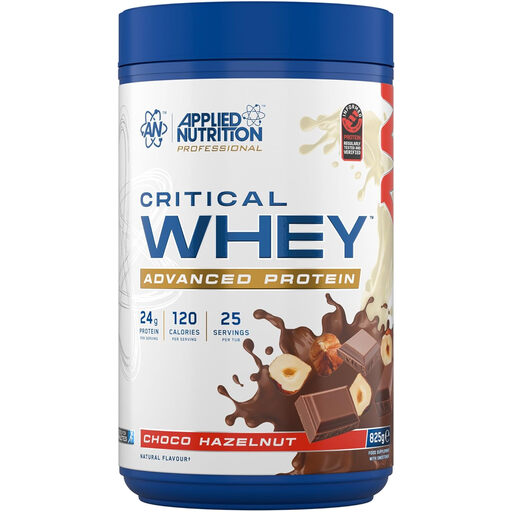
Why This Fits Their Persona: This product is ideal for the regular athlete looking for a reliable, all-around protein shake without the premium price tag. The blend of different whey sources offers a good balance between absorption speed and cost.
The label is clear: per 33-gram serving, you get 24 grams of protein and only 2.3 grams of sugar. No misleading percentages, just straightforward information about what you're consuming.
Contains a blend of whey concentrate, isolate, and hydrolysate for phased absorption. The formula is gluten-free and suitable for vegetarians.
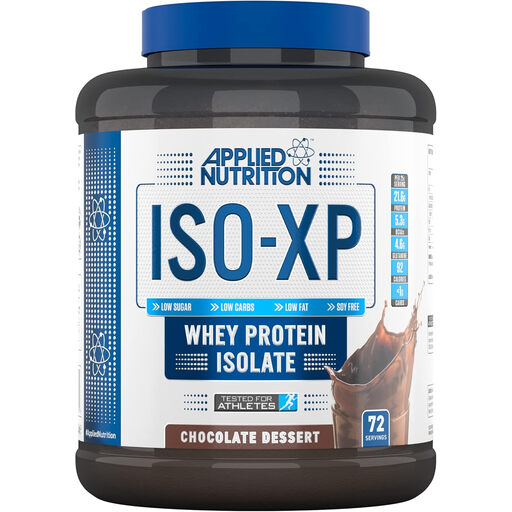
Why This Fits Their Persona: For the athlete seeking maximum purity and rapid absorption. This whey protein isolate is designed for serious muscle recovery with minimal extras.
This product completely avoids the sugar trap. With only 0.1 grams of carbs and 0.09 grams of sugar per serving, it's one of the purest and most low-sugar proteins on the market. The focus is purely on protein.
Delivers 22.5 grams of protein per 25-gram serving, which translates to a very high protein content of 90% in the final product. It uses sunflower lecithin instead of soy for better mixability.
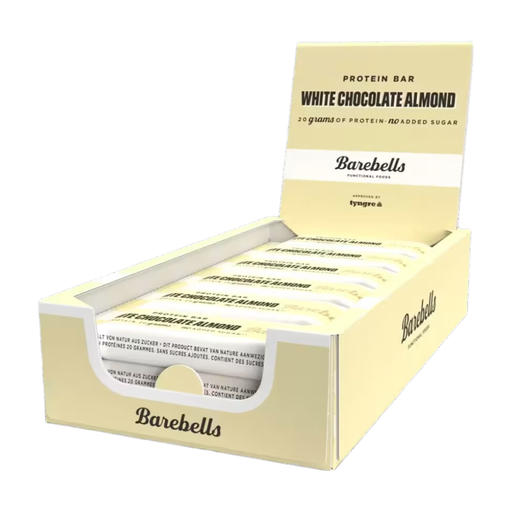
Why This Fits Their Persona: Perfect for the busy professional or athlete who needs a quick, high-protein snack. No fussing with shakers; just a protein bar you can throw in your bag.
Unlike many other bars, a Barebells bar contains only 1 gram of sugar. You get a tasty treat without the sugar crash, making it a responsible choice.
Delivers a solid 20 grams of protein per bar. The combination of milk proteins and collagen hydrolysate supports muscle maintenance and recovery, all packed into a popular flavour.
We have compiled a complete, up-to-date list of products that fully meet these strict selection criteria and local regulations.
The most popular time is within 30-60 minutes after your workout to support muscle recovery. However, a protein shake can also be useful as a protein-rich addition to your breakfast, as a snack to keep you feeling full, or (in the case of casein) before bed.
No, protein powder itself won't make you gain weight. Weight gain is caused by a calorie surplus: consuming more calories than you burn. In fact, protein can contribute to a feeling of fullness, which can help with weight management. Just be sure to choose a product that fits your calorie goals, such as a low-sugar isolate shake if you want to lose weight, or a calorie-dense weight gainer if you want to gain weight.
The main difference lies in the processing and purity. Whey concentrate is the basic form and contains about 70-80% protein, along with some fat and lactose. Whey isolate is filtered further to remove fat and lactose, resulting in a higher protein content (around 90%) and faster absorption. Isolate is often a better choice for people with lactose intolerance or for those for whom every calorie counts.
