
Vandaag of morgen in huis

Kwaliteit gegarandeerd

Welkomstaanbiedingen ontgrendelen: GRATIS bezorging | Tot 80% korting | Gratis 30 dagen JoyPlus-proefperiode
Download de app
Protein bars are a convenient protein-rich snack for on the go, after a workout, or whenever you feel peckish. But the shelves are packed with options that look healthy but are, in reality, not much better than a candy bar. Before you stock up on a box of protein bars, it's wise to know what to look for. Many bars entice you with attractive packaging but conceal a few common pitfalls.
The two biggest pitfalls to watch out for:
low-sugar bars do indeed contain little sugar but are packed with sugar alcohols (polyols). While this reduces the calorie count, an excess of these can cause digestive issues for some people.protein bar sounds healthy, but some contain as many calories and as much fat as a small meal. If your goal is a light post-workout snack, this can hinder your progress.To avoid making the wrong choice, there are a few objective specifications you should always check. This will help you see through the marketing jargon and find a bar that truly fits your goals.
The most important factor is the ratio of protein to sugar. A good fitness bar contains a significant amount of protein (usually around 20 grams) and as little sugar as possible (ideally less than 2-3 grams per bar). This combination provides a feeling of satiety and supports muscle recovery without the downsides of a sugar spike. Therefore, always check the label for the grams of protein and sugar per bar, not just per 100 grams.
Not all proteins are created equal. Most protein bars use a mix of different sources:
The protein source is always listed in the ingredients. For a quick post-workout snack, a bar with a high proportion of whey protein is a practical choice.
Look beyond just the nutritional values. The ingredients list tells you what's really in the bar. Pay special attention to polyols like maltitol, xylitol, or glycerol. These sweeteners provide fewer calories than sugar, but as mentioned earlier, excessive consumption can have a laxative effect in sensitive individuals. A high fibre content (more than 5 grams) is a plus, as it contributes to a feeling of satiety.
Based on these criteria, we have selected several popular choices that cater to different needs and preferences.

Why This Fits Their Persona: For those looking for a protein bar that tastes like a real treat. The combination of white chocolate and cookie pieces makes this a popular choice to satisfy sweet cravings without losing sight of your goals.
This bar sidesteps the "hidden sugar bomb" trap. Despite its sweet taste, the manufacturer states it contains less than 2 grams of sugar per bar.
Contains approximately 21 grams of protein per bar and has a multi-layered texture that many users find enjoyable.
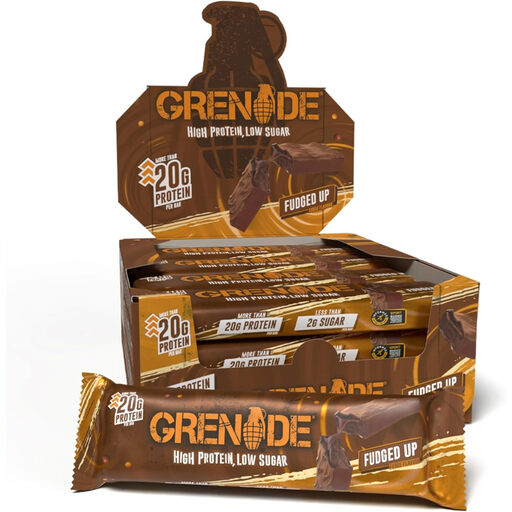
Why This Fits Their Persona: Ideal for athletes seeking a functional bar for muscle recovery. The focus is on high protein and low sugar content, packaged in a bar that still feels like a reward after a tough workout.
This bar is focused on performance. With 20 grams of protein and only 1.7 grams of sugar per bar, it avoids the pitfall of being an unnecessary calorie bomb.
According to the manufacturer, this bar is Informed-Sport certified, meaning it has been tested for banned substances and is suitable for professional athletes.
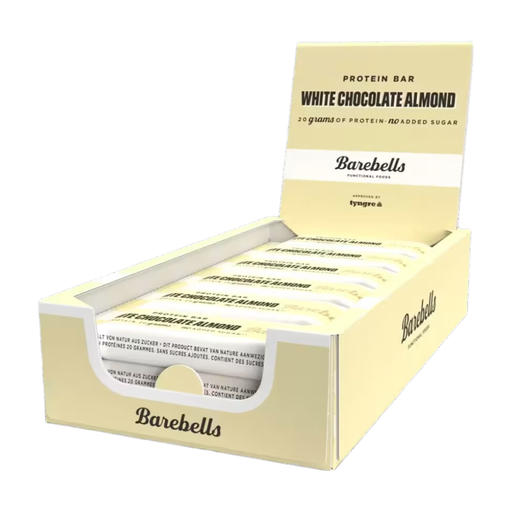
Why This Fits Their Persona: For those seeking a great all-rounder: a delicious taste, a soft texture, and solid nutritional values. This bar is versatile and works well as a snack at the office or after a light workout.
This bar offers a good balance. It's not extreme in calories (around 200 kcal) and, according to the manufacturer, contains only 1 gram of sugar, thus avoiding the "hidden calorie bomb" trap.
Delivers 20 grams of protein per bar and is known for its soft, less chewy texture compared to many other `low-carb bars`.
We have compiled a complete and up-to-date overview of products that meet these selection criteria and current guidelines.
That depends on your goal. Many people eat a protein bar within 30-60 minutes after a workout to support muscle recovery. However, they are also excellent as a filling snack to bridge the time between meals and prevent you from reaching for unhealthier options.
Sugar alcohols are not necessarily unhealthy and are considered safe by regulatory bodies like the EU. They are processed differently by the body than sugar. However, because they are not fully absorbed, high intake can lead to bloating or a laxative effect in some people. Sensitivity to this varies from person to person. Most packaging includes a warning if the product contains a significant amount of polyols.
A protein bar is a supplement to a balanced diet, not a replacement for whole-food meals. For most people, one bar per day is a good guideline. If you have a very active lifestyle or are pursuing specific fitness goals, a second bar might be beneficial. It's always wise to follow the recommendations on the packaging and, most importantly, rely on nutritious meals as your foundation.
