
Vandaag of morgen in huis

Kwaliteit gegarandeerd

Welkomstaanbiedingen ontgrendelen: GRATIS bezorging | Tot 80% korting | Gratis 30 dagen JoyPlus-proefperiode
Download de app
Feeling bloated, experiencing irregular bowel movements, or simply feeling your digestion could use some support. Many people turn to probiotics to restore their gut flora, but the sheer number of options can be overwhelming. Packaging promises billions of bacteria, but how do you know which product is genuinely right for your situation?
As a Joybuy Product Recommendation Officer, I see the challenges consumers face every day. Before you make a choice, it's wise to understand a few common pitfalls that could cost you money without delivering the desired results.
To avoid a bad purchase, it's helpful to pay attention to a few key specifications. This will help you see through marketing claims and choose a product tailored to your needs.
CFU (Colony-Forming Units) indicates how many living bacteria a product contains at the time of manufacture. While a high number can be useful, the survival rate is crucial. Look for technologies like micro-encapsulation or acid-resistant capsules. These protect the bacteria, ensuring they reach the intestines alive. Additionally, a mix of different bacterial strains (such as Lactobacillus and Bifidobacterium) is often desirable for broad support of the gut flora.
A balanced gut microbiome is a team effort.
Products that contain a combination of these 'biotics' offer a more complete approach to restoring gut flora.
Most probiotics are food supplements, intended to support general health. Products aimed at alleviating specific symptoms, such as with Irritable Bowel Syndrome, are often registered as medical devices. These typically work differently, for example, by reducing gas formation or protecting the intestinal wall, and are specifically designed to treat symptoms.
To help you with your choice, I have highlighted a few products that suit different user profiles and needs.
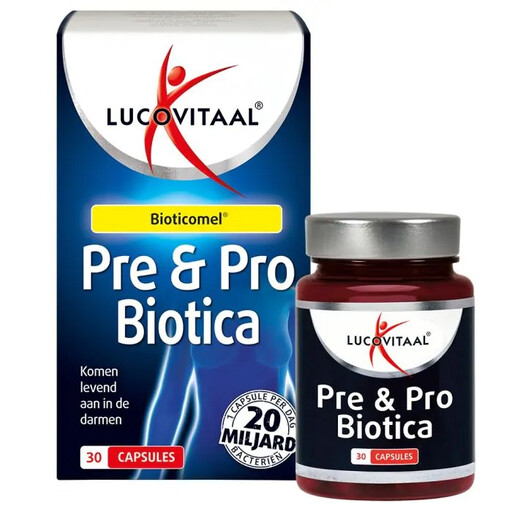
Why This Fits Their Persona: Ideal for those starting to support their digestion or looking for a solid foundation. The combination of pre- and probiotics offers a complete approach for a balanced gut flora.
This product tackles the 'forgetting prebiotics' pitfall by adding FOS (prebiotics) as nourishment for the 20 billion bacteria.
Contains 8 different bacterial strains for broad-spectrum action, and the capsules are acid-resistant, which increases the bacteria's survival rate.

Why This Fits Their Persona: Specifically developed for people suffering from the symptoms of IBS, such as bloating, flatulence, abdominal pain, and irregular bowel movements.
This is not a standard probiotic but a medical device. It avoids the 'one-size-fits-all' pitfall by offering a targeted approach for a specific condition.
Works based on bentonite, a natural mineral clay that absorbs gases in the intestines and helps normalise bowel function to reduce pain.
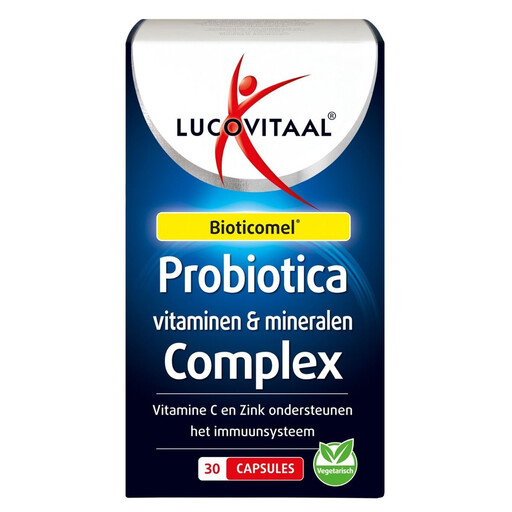
Why This Fits Their Persona: For those seeking an all-in-one supplement that not only supports the gut but also contributes to overall immunity and energy levels. A convenient addition to a daily diet.
This product goes beyond a standard probiotic. It combines bacteria with a multivitamin, providing added value for a broader health goal.
Contains 6 selected bacterial strains and a complex of vitamins (A, C, D, B vitamins) and minerals (iron, zinc) that support the immune system and energy levels.
We have compiled a complete, up-to-date list of products that meet these selection criteria and comply with current regulations.
The time it takes to notice an effect varies by person and product. Some people experience a change within a few days, for example, when relieving bloating. For more structural support of the gut flora, it can take several weeks. Consistent daily use is key.
This depends on the product. Thanks to modern techniques like freeze-drying and micro-encapsulation, many digestive supplements are shelf-stable at room temperature. Always check the label for specific storage instructions. Products that require refrigeration will state this explicitly.
Yes, most probiotics are designed for daily use as a supplement to a healthy lifestyle. It's a way to continuously supply the gut with good bacteria. Daily intake of supplements for bowel movements and gut flora can be particularly useful after a course of antibiotics or during periods of stress. Always read the instructions on the packaging and do not exceed the recommended dosage. If in doubt or if symptoms persist, consult a doctor or pharmacist.
