
Vandaag of morgen in huis

Kwaliteit gegarandeerd

Welkomstaanbiedingen ontgrendelen: GRATIS bezorging | Tot 80% korting | Gratis 30 dagen JoyPlus-proefperiode
Download de app
Buying powders may seem straightforward, but the range varies considerably. In the same category, you’ll find herb powders, spice powders, instant drink powders, sports nutrition, milk powder and personal care products. Attractive packaging tells you little about the contents, cost per use or suitability for your needs.
Most unsuitable purchases result from three common pitfalls:
With the right checks, you can compare products based on practical features rather than marketing language.
Start by looking at the order of the ingredients. Ingredients are generally listed from highest to lowest proportion. For example, Gold Kili Matcha Latte Powder lists sugar first, followed by plant-based creamer, milk powder and matcha powder. This makes it primarily suitable as a sweet latte mix, not as pure matcha.
Sugar and creamer can also make up a large proportion of a Thai tea mix. If you prefer a less sweet drink, look for a product that lists tea as the first ingredient, or add your own sweetener.
For herbs and spices, a short ingredients list is often easier to understand. According to the product information, Verstegen Onion Powder consists of 100% onion powder. Hein Chili Powder lists 100% red chilli and, according to the information provided, contains no added sugars.
Also look out for:
The 14 major EU allergens must be clearly stated when they are present in a product. Don’t just check the separate allergen statement; look at the ingredients list too. Milk, soya, mustard, celery, sesame, fish and crustaceans are regularly found in this category.
Examples:
Always check the current packaging yourself. Product information on a webshop may change, and the packaging may contain additional warnings.
A 1 kg pack is practical for a large household, catering or frequent cooking, but less suitable if you want to try a flavour first. A small 26 or 38 gram pack of spice powder helps prevent waste when you only use it occasionally.
For sports and drink powders, check the number of servings. Optimum Nutrition Electrolyte Powder contains 264 grams for 33 servings. The stated serving is 8 grams in 450 ml of water. This allows you to calculate the cost per use instead of comparing only the price per pack.
Also consider how the product is prepared:
Store opened powders in a dry, cool place in a tightly sealed container. Moisture can cause clumping and a loss of quality. Some products, such as soya milk powder, require refrigeration and quick consumption after opening. Always follow the instructions on the packaging.
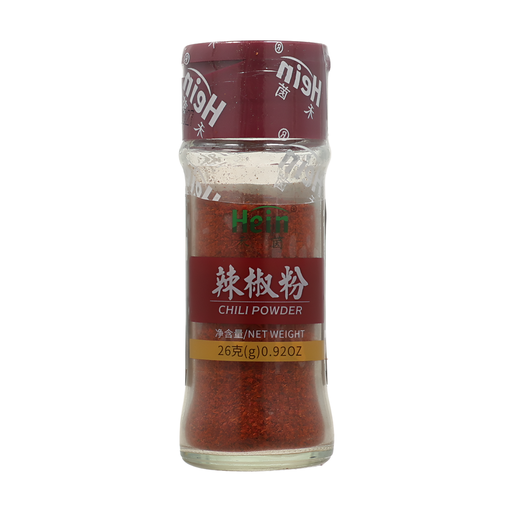
Why it suits this profile: A small pack is handy if you only cook spicy food occasionally and want to find out how much chilli you use first.
The stated composition is 100% red chilli, without a long blend of hidden additives.
26 grams, 100% red chilli according to the label and easy to measure out.
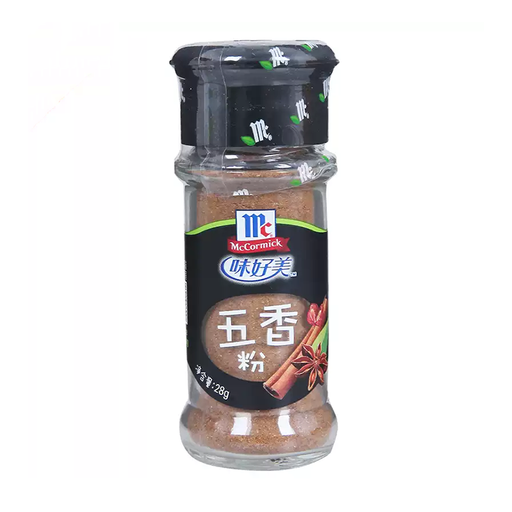
Why it suits this profile: Suitable for anyone looking for a blended spice mix for stir-fries, marinades and Chinese recipes.
The product description names the individual spices, including cinnamon, star anise, fennel and Sichuan pepper.
28 grams in a shaker bottle; clear instructions for use: cook and season to taste.
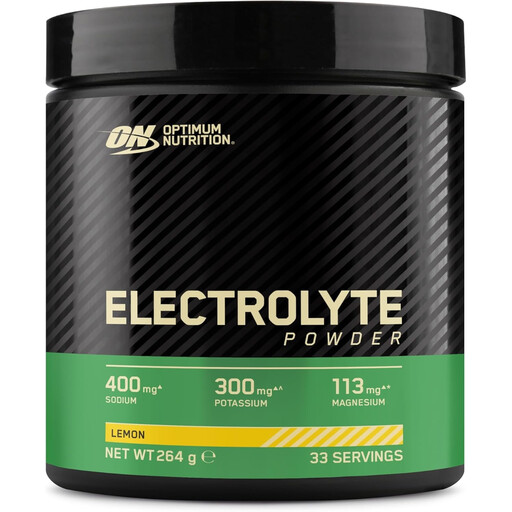
Why it suits this profile: A practical option for athletes who want to measure out servings and minerals for each use.
The packaging states 33 servings and a dosage of 8 grams in 450 ml of water, making it easier to calculate the cost per use.
264 grams, lemon flavour and stated quantities of sodium, magnesium and potassium per serving.
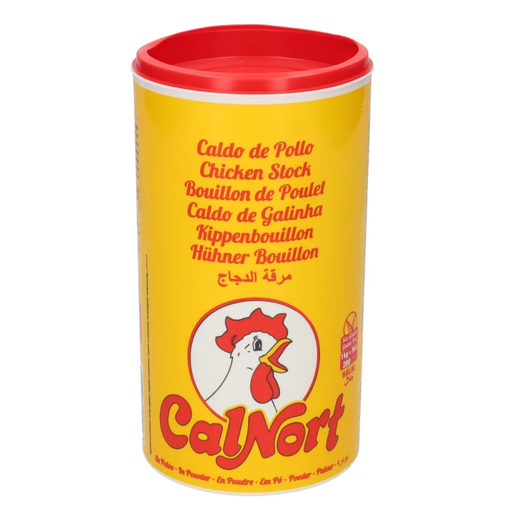
Why it suits this profile: The large format is designed for regular cooking, larger households and professional use.
The product description lists several uses and makes it clear that this is a blended bouillon, not pure chicken powder.
1 kg of contents; suitable for dissolving in hot water or adding directly to soups, sauces and stews.
We’ve compiled a complete, up-to-date list of products that fully meet these strict selection criteria and the applicable European safety regulations.
The right choice depends on what you need it for:
Online, you’ll find powders for cooking, drinks, sports and personal care. Use filters for type, contents, ingredients and brand. For food products, always check the current product page and packaging, particularly for allergens and preparation instructions.
This varies from one product to another. Dry herbs and spices generally remain usable for the longest when stored in a cool, dry, sealed container. Instant drink powder, milk powder and soya milk powder may have additional storage instructions after opening. The date on the packaging and the period after opening are the key points to follow.
Not necessarily. Calculate the price per 100 grams or per serving and estimate how often you’ll use it. A large format may make sense for bouillon powder or milk powder. For a new flavour, such as taro powder or a Thai tea mix, a smaller pack reduces the risk of waste.
