
Vandaag of morgen in huis

Kwaliteit gegarandeerd

Welkomstaanbiedingen ontgrendelen: GRATIS bezorging | Tot 80% korting | Gratis 30 dagen JoyPlus-proefperiode
Download de app
Buying port might seem straightforward, but the options vary greatly in taste and alcohol content, come in different volumes and suit different occasions. Are you looking for a sweet port to enjoy with cheese, a dessert wine for a dinner party, or a bottle to give as a gift? In that case, colour alone or a well-known brand name won’t be enough.
With this practical guide, you’ll focus on the information that really matters. That way, you’ll avoid buying a large bottle when a smaller size would suit you better, or choosing a sweet wine that doesn’t complement your dish.
Port is a fortified wine. The products in this range contain around 19% to 20% alcohol, whereas ordinary red wine is often lower. A bottle that looks like red wine can therefore offer a very different drinking experience. Always check the alcohol percentage and the product category.
Also, not all red, sweet wines are port. A fruit wine or flavoured wine may taste sweet, but it has a different composition and origin from Portuguese port.
Taste descriptions are useful as a first impression, but check them against concrete product details. Think about:
According to the brands’ own product information, flavour characteristics such as red fruit, dried fruit, nuts and caramel are attributed to certain bottles. Treat this as a flavour guide, not a guarantee that everyone will have the same experience.
Store port and other sweet wines in a cool place, away from direct sunlight and strong temperature fluctuations. Seal the bottle well after opening. On receipt, also check that the seal or closure is undamaged. The best-before or usage information is on the packaging.
Tawny port typically has an amber appearance. The product descriptions mention flavours such as dried fruit, nuts, vanilla and caramel. This makes the style suitable for creamy desserts, nuts, caramel and mild cheese.
Ruby port is darker red and is often described with notes of ripe red fruit, berries and plums. This style goes well with chocolate, red fruit, ice cream desserts and cheese. If you’re looking for a classic sweet red port, ruby is often the one.
Rosé port has a lighter colour and a fresher profile. Offley Rosé Port is linked in the product information to tropical fruit, serving with ice and light desserts. This can be a practical choice for an aperitif or a summer dinner.
The right volume depends on how you’ll use it:
Don’t just look at the price of the bottle, but also at the price per millilitre. A smaller bottle can be good value if you want to avoid waste.
Port is alcoholic and only suitable for people aged 18 and over. Please drink responsibly. Many port products list sulphites as an allergen. Some bottles also mention grapes, wine-based alcohol, sugar, acidity regulators or stabilisers on the label.
Always check the current packaging, especially if you have an allergy or sensitivity. Product information can vary by bottle or market. No medical or health claims are made in the product data provided; port is intended as a consumption product for adults.
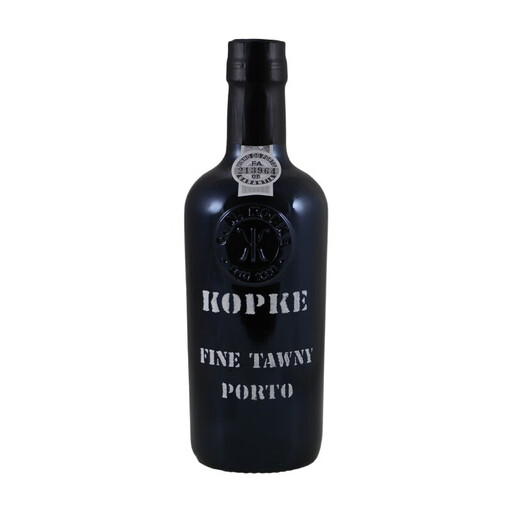
Why this fits the profile: The smaller bottle is practical when you want to try tawny port without buying 750 ml straight away. The product information mentions serving as an aperitif or with dessert.
The 375 ml volume reduces the chance of an opened bottle that doesn’t suit your usage. The alcohol percentage of 19.5% is clearly stated.
375 ml; tawny style; according to the product information, suitable with dessert and as an aperitif.
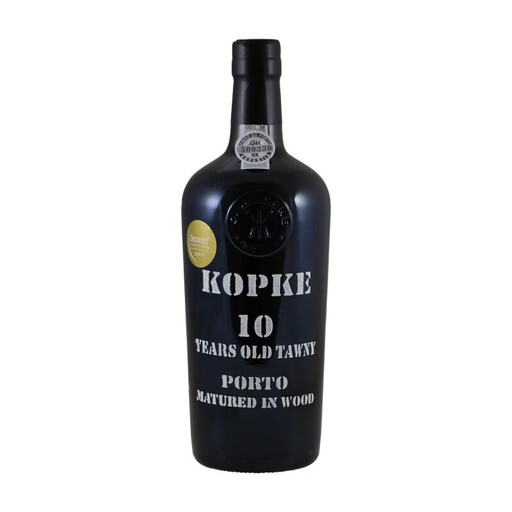
Why this fits the profile: This bottle suits anyone looking for a tawny port with an explicitly stated age indication and a larger volume for leisurely sipping or a dinner party.
The product page lists the style, volume and 20% alcohol separately. This means you can compare the bottle on concrete details rather than just atmospheric words.
750 ml; 20% alcohol; according to the product description, notes of dried fruit, nuts and spices.
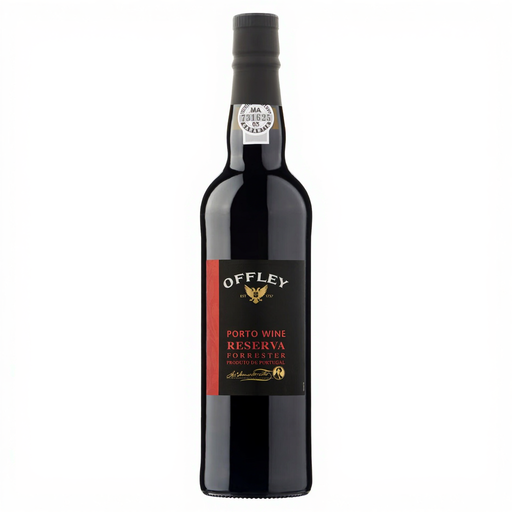
Why this fits the profile: The 500 ml bottle is useful for a dinner party or as a port gift. According to the product description, this red reserve goes well with cheese and chocolate desserts.
The product information states the volume, alcohol percentage, ingredients and sulphites. This means you can check the bottle’s suitability for the occasion in advance.
500 ml; 20% alcohol; red reserve port; listed as a pairing with cheese and chocolate desserts.
We’ve put together a full, up-to-date list of products that fully meet these strict selection criteria and comply with current European safety regulations.
Choose a port with enough sweetness and a clear flavour contrast for a cheese board. Tawny port can complement nuts, caramel and mild cheeses. Ruby port goes well, according to the product descriptions, with chocolate, red fruit and creamy desserts.
For a light fruit salad or fruit dessert, rosé port can be a logical choice. If you want to cater for several preferences at the table, a 750 ml bottle is practical. For a smaller group, 375 ml or 500 ml is often more convenient.
That depends on the type of port, the closure and how you store it. Seal the bottle well, keep it cool and avoid direct sunlight. Check the label and product information for specific instructions. An opened bottle generally tastes best when you don’t leave it standing for too long.
A 500 ml or 750 ml bottle is practical as a gift. Offley Port Reserve - 500 ml is intended, according to the product information, for sharing or giving and is linked to cheese and chocolate desserts. A 750 ml bottle such as a ruby or tawny port is better when the recipient wants to open the bottle with several people.
No. Port is a fortified wine from Portugal and typically has a higher alcohol percentage. Sweet red wine can be an ordinary wine, fruit wine or flavoured wine. Always check the product name, origin, ingredients and alcohol percentage before you order.
