
Vandaag of morgen in huis

Kwaliteit gegarandeerd

Welkomstaanbiedingen ontgrendelen: GRATIS bezorging | Tot 80% korting | Gratis 30 dagen JoyPlus-proefperiode
Download de app
When you want to buy plates, colour and shape are often the first things you consider. But it’s the material, dimensions and care requirements that determine whether a plate is right for everyday use. A family dinner plate needs different features from a camping plate, a tapas serving board or a disposable plate for a garden party.
The three most common buying mistakes are:
So check the product specifications before you buy, and choose a plate to suit the way you’ll use it.
Ceramic plates and stoneware plates are suitable for everyday dining and give your table a solid, homely feel. They are heavier than some alternatives, though, and can break if dropped. For porcelain plates, check the product information to see whether they are suitable for the microwave and dishwasher.
Stainless steel plates are worth considering for families, outdoor use and more demanding settings. Several product descriptions list 304 stainless steel as a material suitable for food contact. This tells you what material the product is specified as being made from, but always check the full product information and any usage warnings. Metal plates are not suitable for the microwave unless the manufacturer explicitly says otherwise.
Plastic, aluminium and disposable plates are lightweight and practical for parties, catering or picnics. For disposable plates, check the instructions for use, heat resistance and disposal guidance. Don’t assume that a bamboo fibre or plastic plate is compostable unless the manufacturer clearly confirms this.
A standard dinner plate is often around 25 to 28 cm in diameter. A smaller side plate is usually enough for breakfast, cake or smaller portions. Deep plates are better for pasta, soup and sauces, while a flat plate works well for main courses.
As well as the diameter, check:
A serving plate or tapas board needs enough surface area for what you plan to serve. For example, the Secret de Gourmet Acacia Presentation Plate measures 70 x 18 cm. It offers room for cheese, tapas and nibbles, but the product specifications say it is not dishwasher-safe.
“Dishwasher-safe” doesn’t mean a product is suitable for the oven, microwave or freezer too. Check the recommended uses for each product. Some porcelain plates are described as suitable for the dishwasher and microwave, while a slate sushi set should be washed by hand.
Also look out for warnings about hot food. Stainless steel can transfer heat to the rim or underside. Use a stable surface for hot dishes, and supervise children. Abrasive sponges and steel wool can damage a matt or glazed finish.
Compartment plates are practical for families when you want to keep rice, vegetables and sauce separate. For camping, weight, resistance to breakage and easy cleaning are the main considerations. For parties, a set of disposable plates or aluminium trays can save time, but check whether they’re suitable for hot or greasy food.
For restaurants, catering and workplace canteens, quantity, replacement options and stackability matter more than a striking design. A pack of 24 sandstone dinner plates, for example, may suit professional or public use. Check that the finish, weight and cleaning instructions are right for your workplace.
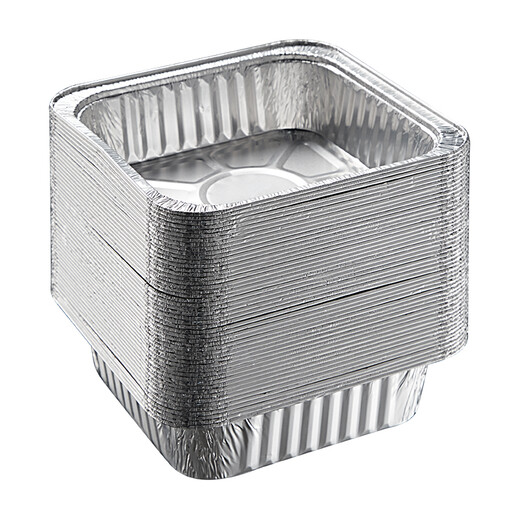
Why it suits this profile: The pack contains 50 aluminium foil plates, making it a practical choice for parties, snacks, catering or one-off use.
The generous quantity means you’re less likely to run short of disposable plates for a small event. Check in advance whether they’re suitable for hot or liquid dishes.
50 plates per pack; lightweight material for easy transport and quick clear-up.
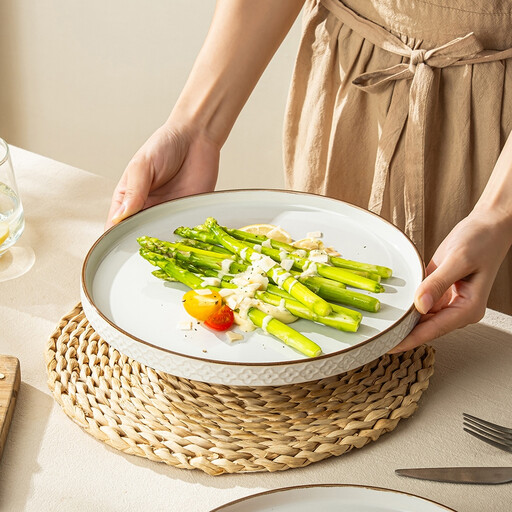
Why it suits this profile: If you’re looking for a complete set for everyday dining, you get four ceramic plates measuring 10.25 inches in diameter, with a stackable design.
The product information clearly states that the plates are compatible with the dishwasher, oven, fridge and freezer. Always check the instructions on the underside.
Set of four; ceramic construction; stackable according to the product description.
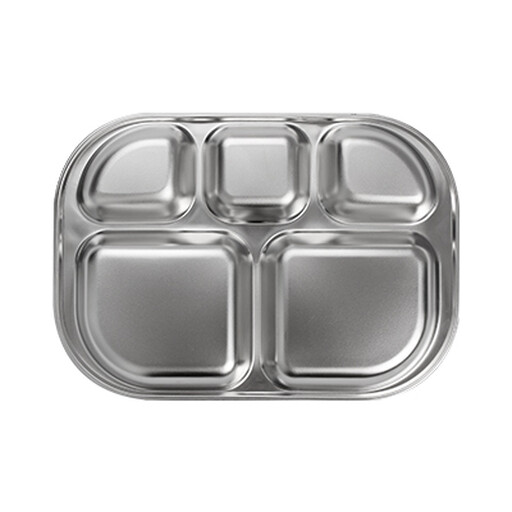
Why it suits this profile: The five compartments are handy for children, meals with several components, camping and organised catering.
According to the product description, the compartments stop different foods from mixing directly. The plate is dishwasher-safe according to the stated specifications, but it isn’t suitable for the microwave.
304 stainless steel; five separate compartments; dishwasher-safe according to the product description.
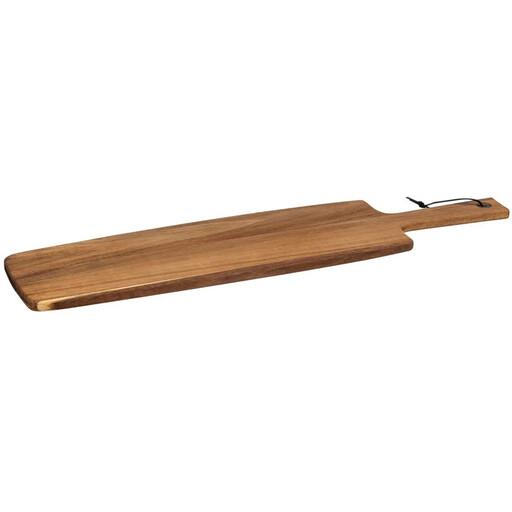
Why it suits this profile: This long wooden serving board is designed for cheese, tapas, nibbles and other small dishes to enjoy over drinks or dinner.
The dimensions make the serving area clear before you buy. As the board isn’t dishwasher-safe, you can avoid a mismatch by bearing in mind that it needs to be washed by hand.
Acacia wood; measures 70 x 18 cm; suitable for serving a variety of nibbles according to the product description.
We’ve put together a complete, up-to-date list of products that meet these strict selection criteria and the applicable European safety requirements.
Ceramic, porcelain, stoneware and stainless steel plates are all popular choices for everyday use. Consider the weight, whether they’re dishwasher-safe and whether they’re suitable for the microwave or oven. Households with young children may find stainless steel or a compartment plate useful.
How long they last depends on the material, how they’re used and how they’re cared for. Ceramic and porcelain plates can last for a long time if you avoid knocks, sudden temperature changes and abrasive cleaning products. Stainless steel plates are generally less likely to break, but they can still get scratched or dented.
No. Dishwasher-safe, microwave-safe, oven-safe and freezer-safe are separate properties. Always check the product specifications. As a rule, metal and aluminium plates shouldn’t go in the microwave unless the manufacturer specifically says they can.
