
Vandaag of morgen in huis

Kwaliteit gegarandeerd

Welkomstaanbiedingen ontgrendelen: GRATIS bezorging | Tot 80% korting | Gratis 30 dagen JoyPlus-proefperiode
Download de app
Pickled vegetables are more than just a jar of gherkins to serve with a hearty meal. From crisp Asian pickles to spicy condiments that transform your noodles, the selection is vast. But how do you choose the right jar from the shelf? Many products promise an "authentic" or "traditional" flavour but deliver a disappointing, one-dimensional experience. If you're looking for the perfect taste and texture, it helps to know what to look for.
As a Product Recommendation Officer at Joybuy, I'm here to help you see through the marketing jargon. We'll look at what's really inside the jar, so you can find exactly what you're looking for, whether that's classic table pickles or an adventurous addition to your meal.
Before you put a jar in your basket, it's good to know the most common pitfalls. These often lead to you coming home with a product that doesn't meet your expectations.
To avoid these pitfalls, you can look for a few specific characteristics. These specifications on the label tell you much more than the marketing slogans on the front.
The liquid in which the vegetables are pickled determines the entire flavour profile. Pay close attention to the first few ingredients.
The vegetable itself and the culinary tradition from which the product originates are decisive for its use. A Korean pickled radish (danmuji) is crisp and sweet-and-sour, perfect with kimbap or fried chicken. A British piccalilli, on the other hand, is a classic with a ploughman's lunch or on a cheese sandwich. So, look not only at the vegetable but also at its origin to get an idea of the flavour profile and its potential uses.
To help you when buying side dishes, we have highlighted some popular choices and matched them to different preferences.
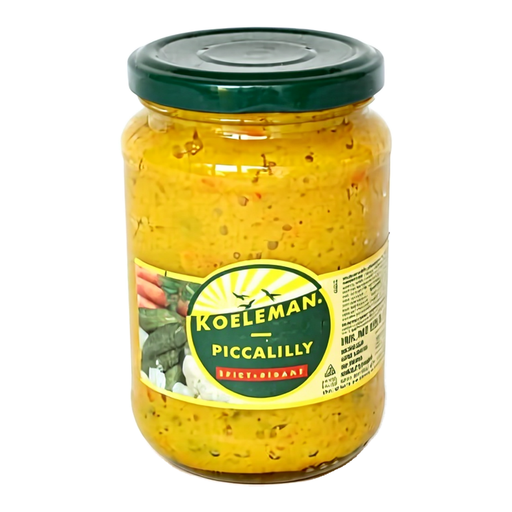
Why This Fits Their Persona: Perfect for those looking for a classic flavour for a snack board, on a cheese sandwich, or as a fresh, tangy counterpoint to a hearty meal. A reliable choice that delivers on its promise.
This product delivers the expected, classic piccalilli flavour. The ingredient list with mustard, vinegar, and spices is clear, so there are no surprises. The vegetables, such as cauliflower and gherkin, retain their crisp texture.
Made according to a traditional recipe with a fresh, mildly spicy flavour and crunchy vegetable pieces. A versatile condiment for everyday dishes.
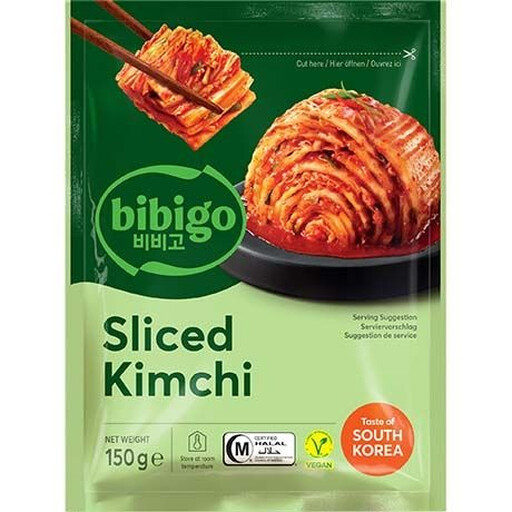
Why This Fits Their Persona: Ideal for those who want to discover authentic Korean cuisine. This kimchi is a versatile side dish that adds a spicy, sour, and savoury (umami) kick to rice dishes, stews, or even a grilled cheese sandwich.
This is not a "kimchi-style" product, but real Korean kimchi. The flavour is complex and fermented, not just sweet-and-sour cabbage with chilli. It delivers the deep, layered taste you expect from authentic kimchi.
Made with salted Napa cabbage and Korean chilli powder for an authentic taste. The 150g packaging is convenient for trying the product without having to buy a large jar right away.
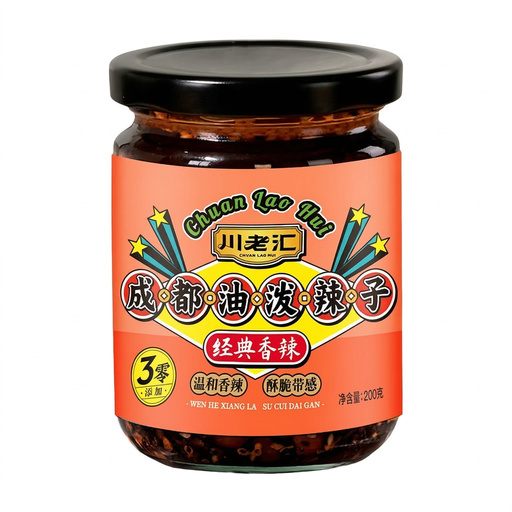
Why This Fits Their Persona: For those looking for a serious spicy condiment. This chilli oil isn't just hot; it has the characteristic numbing 'málà' spiciness of Sichuan peppercorns. Perfect for taking noodles, eggs, or stir-fries to the next level.
This is not a generic chilli oil. The addition of Sichuan peppercorns provides the authentic, tingling spiciness often missing in Western versions. You get a complex, aromatic oil with a rich texture, not just heat.
Delivers an authentic Sichuan flavour. The mix of chilli peppers and Sichuan peppercorns creates a layered spiciness. Versatile for use as a dipping sauce, in cold dishes, or in stir-frying.
Didn't quite find what you were looking for? We have a complete and up-to-date overview of products that meet these selection criteria.
The quickest way is to check the ingredients list. A combination of vinegar and sugar indicates a sweet-and-sour taste, typical of many gherkins. If it's mainly vinegar and salt, it will lean towards classic, sour table pickles. If you see chilli, peppers, or spices high on the list, you can expect a spicy condiment. Products based on oil are often savoury and aromatic.
This depends on the type of product. Pickled vegetables in a vinegar or brine solution can often be kept for several weeks to months after opening, provided they are refrigerated. Make sure the vegetables remain submerged in the liquid. Fermented products like kimchi and oil-based condiments usually have a shorter shelf life. It is always wise to consult the storage advice on the packaging.
Gherkins are pickled cucumbers, usually whole or sliced, in a sweet-and-sour or salty liquid. Piccalilli is a completely different product: it is a mix of various finely chopped vegetables (like cauliflower, onion, and gherkin) in a thick, spicy, mustard-based sauce. Piccalilli is therefore more of a relish or a condiment, whereas a gherkin is a single pickled vegetable.
