
Vandaag of morgen in huis

Kwaliteit gegarandeerd

Welkomstaanbiedingen ontgrendelen: GRATIS bezorging | Tot 80% korting | Gratis 30 dagen JoyPlus-proefperiode
Download de app
Buying pet food online may look simple, but packaging often uses terms that say little about day-to-day suitability. “Premium”, “natural” and “grain-free” are not a guarantee on their own of a suitable meal. Start by looking at the species, nutritional status and composition.
Not every product with meat or fish is suitable as a daily meal. A broth, soup or cat snack may be intended primarily as a supplement. Check whether the packaging states complete pet food. If it says “complementary” or “supplementary”, give it alongside regular food and not as a replacement.
INABA Broth and Bisque products, for example, are intended as a treat or hydration top-up. They contain lots of moisture, but they are not a complete meal for cats.
With grain-free dog food and grain-free cat food, grains are replaced with, for example, potato, peas or chickpeas. That can fit a specific preference or feeding strategy, but in itself says nothing about the overall nutritional value. Always check the protein source, fat content and the nutrition claim for the correct life stage.
Terms such as “natural”, “for sensitive animals” or “supports digestion” call for extra scrutiny. According to a brand’s own research a product may have certain properties, but such claims are not automatically a personalised nutrition recommendation. Base your choice on the ingredients list, analytical constituents and the directions on the packaging.
Cat food and dog food are not interchangeable. Also look for labels such as:
A product for a neutered cat is aimed at a different nutritional situation than standard adult cat food. Follow the feeding guide and adjust the amount based on weight, activity and body condition.
A complete product contains, according to the product information, the nutrients needed for daily feeding within the stated target group. A complementary snack has a different role.
Practical examples:
Look beyond the name on the front. Check:
With cat food with fish, herring, tuna or salmon may be the main protein source. With dog food with lamb or dog food with duck, it’s important to check whether other animal ingredients also appear in the composition. That doesn’t automatically make a product unsuitable, but it is relevant for a strict feeding plan.
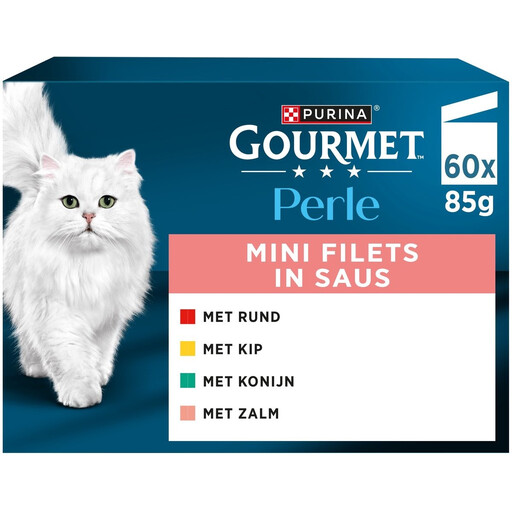
Why this suits the profile: The multipack contains 60 portions of 85 grams and, according to the product information, is complete cat food for adult cats. That makes it straightforward for anyone who wants to alternate multiple flavours.
The label clearly states “complete pet food”, making the distinction from a complementary cat snack easy to see.
60 x 85 g; moisture content of 80%; four varieties with chicken, rabbit, beef and salmon.
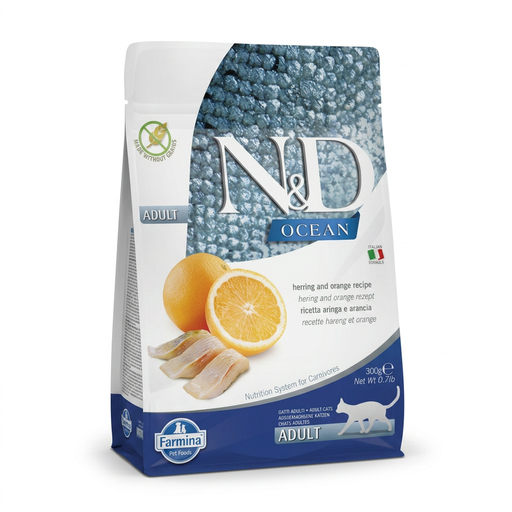
Why this suits the profile: Suitable for owners of adult cats who want a grain-free, fish-based main diet and like to compare the analytical data closely.
The composition lists fresh and dried herring separately. That lets you verify the main protein sources instead of relying solely on “ocean”.
Complete food for adult cats; according to the product specification 44% crude protein, 20% crude fat and 8% moisture; grain-free composition.
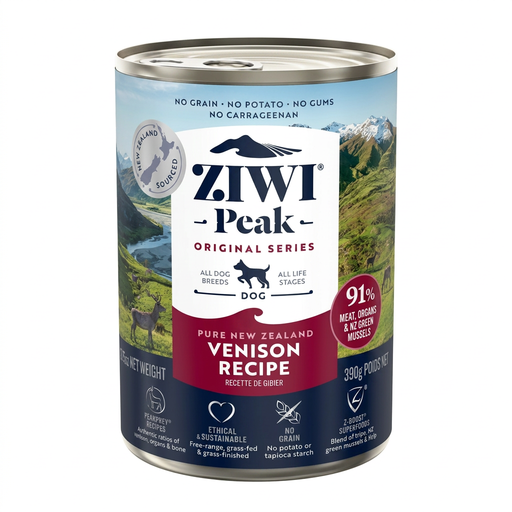
Why this suits the profile: An option for dog owners who want to compare wet food with a single declared animal protein source and a high proportion of animal ingredients.
The product information states “complete canned food” and lists the full ingredients. Always check that the life stage and portion are right for your dog.
390 g per tin; declared composition with venison as the only named animal protein source; according to the product specification 92% venison, organs and bones.
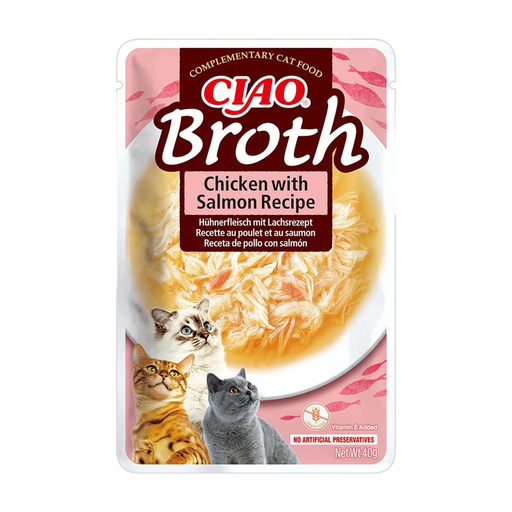
Why this suits the profile: This complementary cat treat can be given as a broth or topping when your cat is attracted to a wet texture.
The product information explicitly describes this as a hydrating treat and not a complete meal. Always provide fresh drinking water as well.
40 g; 93% moisture according to the product specification; chicken broth, chicken and salmon as the named ingredients.
We have compiled a complete, up-to-date list of products that fully meet these strict selection criteria and the applicable European safety regulations.
That depends on the pack, portion size, shipping costs and offers. A large bag of dog food can lower the price per kilogram, but it’s less practical if your dog doesn’t tolerate the food well. So compare the unit price and the suitability for your animal.
Wet food generally contains more moisture and is often sold in trays, pouches or tins. Dry food is more concentrated and keeps longer once opened, provided it is properly sealed. Both types can be suitable if they are complete and fit your cat’s age, weight and activity level.
Look on the label for the designation complete pet food for the relevant species and life stage. If it says complementary or complementary pet food, the product is intended as a snack, topping or extra. The feeding instructions on the packaging remain the guiding principle.
