
Vandaag of morgen in huis

Kwaliteit gegarandeerd

Welkomstaanbiedingen ontgrendelen: GRATIS bezorging | Tot 80% korting | Gratis 30 dagen JoyPlus-proefperiode
Download de app
Buying personal care products online may seem straightforward, but an appealing product page doesn’t always tell the whole story. A serum may feel pleasant without suiting your skin type, for example. A hair mask may be rich in silicones when you’re looking for lightweight care. And when it comes to a product for fungal nails or athlete’s foot, using it correctly and consistently matters more than a bold marketing promise.
This buying guide will help you compare haircare, skincare and nail and foot care products in practical terms.
Terms such as “repairing”, “anti-ageing” and “soothing” sound clear, but their meaning varies from one brand to another. A brand’s own research might report a particular visible improvement, for example, but that doesn’t guarantee the same result for every skin or hair type. So take a look at the ingredients, how often to use the product and who it’s designed for too.
A 300 ml bottle may seem good value, but a concentrated 30 ml booster may last longer per use. So compare more than just millilitres or grams: check the recommended amount and how often to use it too. A hair oil used in one or two pumps will go further than a conditioner you apply generously.
For sensitive skin, acne treatments, fungal nail treatments or athlete’s foot sprays, warnings and treatment duration can matter. Look for instructions such as for external use only, avoid contact with the eyes, and stop use if irritation occurs. For medical devices, such as certain nail or foot care products, follow the instructions for use and the directions on the packaging.
Start by asking yourself what you need the product for:
Read the full ingredients list, especially if you have sensitive skin. Fragrances, alcohol, essential oils and certain acids may not suit everyone. A patch test may be advisable if recommended on the packaging.
In haircare, silicones, oils, proteins and conditioning ingredients all affect how heavy or smooth your hair feels. If you have fine hair, look for a lightweight formula. Dry, frizzy or chemically treated hair may benefit from a richer hair mask or hair oil.
Always check:
A product used once or twice a week, such as a hair mask or face mask, will fit into your routine differently from a serum used every day.
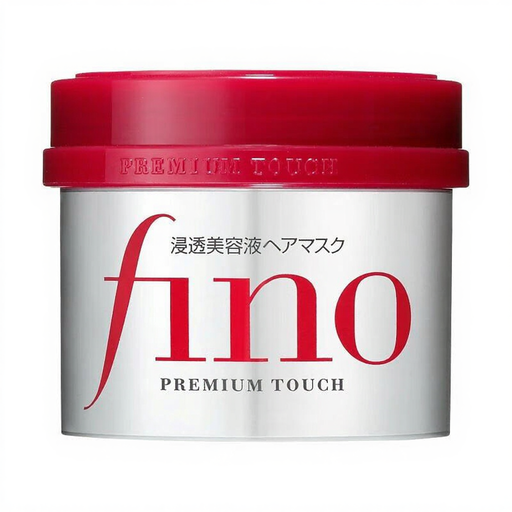
Why it suits this profile: A good choice if you’re looking for a rich hair mask for dry, frizzy or damaged hair and plan to use it once or twice a week.
The product information clearly identifies it as a hair mask, not a daily conditioner. That makes it easier to fit how often you use it into your routine.
230 g, a rich conditioning formula and, according to the product information, suitable for all hair types.
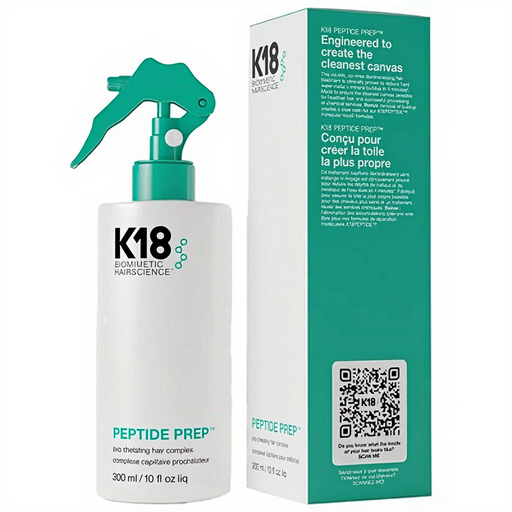
Why it suits this profile: A targeted option if you want to deep-cleanse your hair and scalp before colouring or another chemical treatment.
The product description specifically mentions mineral, metal and styling residue. This gives you a clearer idea of its purpose than a general “detox” claim.
A chelating treatment in a 300 ml bottle, for use on wet hair and scalp as directed.
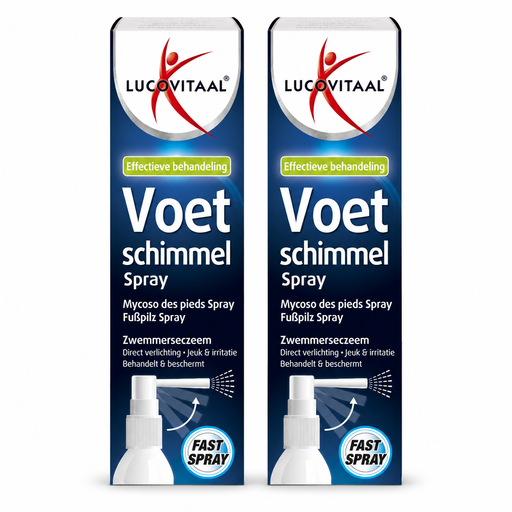
Why it suits this profile: A practical option for adults looking for an athlete’s foot spray to use regularly on both feet, including between the toes.
The instructions say to use it twice a day on both feet, and to continue for one week after the symptoms have disappeared.
Two 25 ml sprays, a flexible spray nozzle and a clear warning to consult a doctor if there’s no improvement.
We’ve put together a complete, up-to-date list of products that meet these strict selection criteria and the applicable European safety requirements.
You can combine different product types in your daily routine, but don’t introduce everything at once. For example, consider:
If skin, nail or foot problems are persistent, severe or unclear, it’s best to ask your GP or pharmacist for advice.
Start by considering the product’s purpose, your skin or hair type, the ingredients, the amount and the instructions for use. Also check the warnings and shelf life. A larger quantity or a well-known brand name doesn’t, on its own, mean the product is right for your routine.
It depends on the amount in the pack, how much you use each time and how often you use it. A hair mask used once a week will generally last a different amount of time from a conditioner used every day. Make a note of when you open a product and follow the period-after-opening guidance on the packaging.
Work out the cost per use rather than looking only at the purchase price. Divide the price by the expected number of uses, and include only the products you actually use. A simple routine with shampoo, conditioner and one targeted product may cost less than buying several serums and masks that end up unused.
