
Livraison le jour même et le lendemain

Qualité garantie

Débloquez vos offres de bienvenue: Livraison GRATUITE | Jusqu'à -80 % | 30 jours d'essai gratuits à JoyPlus
Téléchargez l'application
Buying period products seems straightforward, until you have to choose between tampons, sanitary pads, panty liners, night-time pads and period underwear. A packet labelled “extra protection” or “super soft” doesn’t always tell you what you actually need in practice.
The most common buying mistakes come from three pitfalls:
Tampons often carry labels such as Regular, Super and Super Plus. Always choose the lowest absorbency that matches your flow. A Regular tampon, for example, is designed for light to moderate flow, while Super or Super Plus is better suited to heavy days.
Follow the usage instructions on the packaging. The Tampax Regular with cardboard applicator, for instance, states that the tampon should be changed every 4 to 6 hours. For the Tampax Super Plus, the product information gives an interval of 4 to 8 hours. Always read the leaflet about TSS, a rare but serious condition linked to tampon use. Don’t leave a tampon in for longer than recommended, and don’t choose a higher absorbency “just to be safe”.
When buying sanitary pads, you need to look beyond “normal” or “extra”. For night-time use, night-time pads with a longer front and back can offer more coverage. Sanitary pads with wings help hold the pad in place around the gusset of your underwear, but the right width and shape are still important.
When comparing, look at:
Brands may use technical names such as SecureFit, LeakGuard or InstantDry. Don’t take these terms as a guarantee. Look at the actual product description and the intended use of the product.
For daily use, panty liners are designed for light discharge or protecting your underwear, not for heavy periods. If you’re looking for panty liners for everyday wear, you can look for a thin design, a breathable backing and an unscented composition.
With a thong, regular panty liners aren’t very practical. A thong liner, such as the Libresse Dailies Style String Liners, has a specially adapted shape. For more coverage, extra-long panty liners make more sense. Also check whether claims such as “dermatologically tested”, “vegan” or “unscented” actually appear on the product page or packaging. Any claim about performance comes from the brand; don’t present it as an independently proven result.
Period underwear can be an interesting reusable option, but check the size, absorbency level, washing instructions and drying time. For a first purchase, disposable sanitary pads or a tampon may be simpler for working out your personal preference.
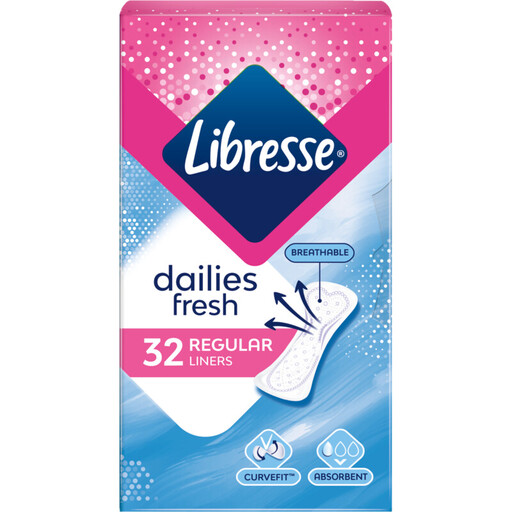
Why this fits the profile: A pack of 32 is practical for daily use, light discharge or as extra protection alongside a tampon.
The product description mentions a breathable design, a CurveFit shape and no perfume. This means you don’t have to choose based on fragrance marketing.
32 pieces; according to the product information, breathable and unscented; designed for daily use.
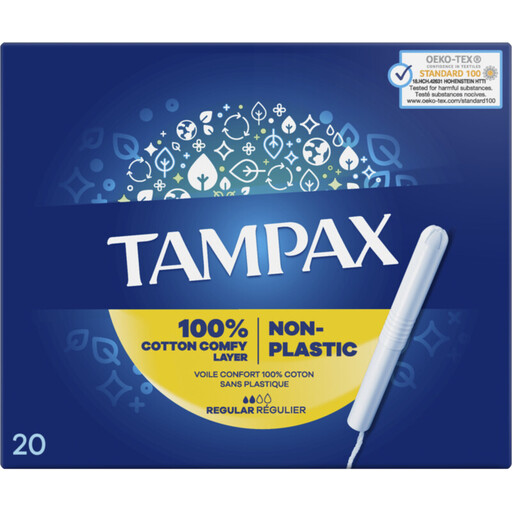
Why this fits the profile: Ideal for anyone who wants an applicator and a clear Regular option for light to moderate flow.
The variant is clearly labelled as Regular. According to the product description, it contains no perfume or colourants and has a cardboard applicator.
20 pieces; cardboard applicator; according to the product information, plastic-free, fragrance-free and colourant-free.
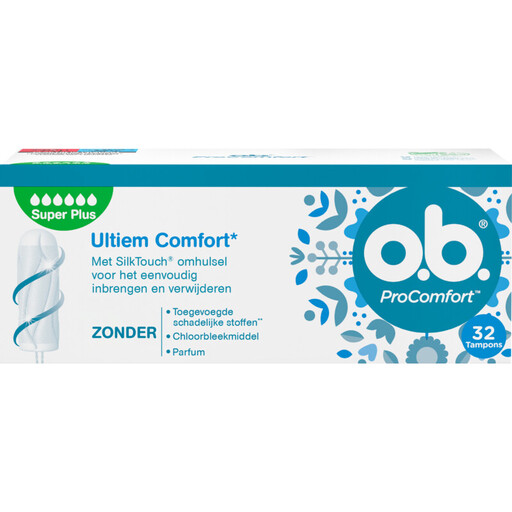
Why this fits the profile: An option for anyone looking for tampons for heavy periods and wanting a larger pack for intensive use.
The Super Plus label makes the absorbency level clear. Only choose this variant when it matches your flow, and follow the usage instructions.
32 pieces; according to the product description, fragrance-free and chlorine-free; designed for very heavy days.
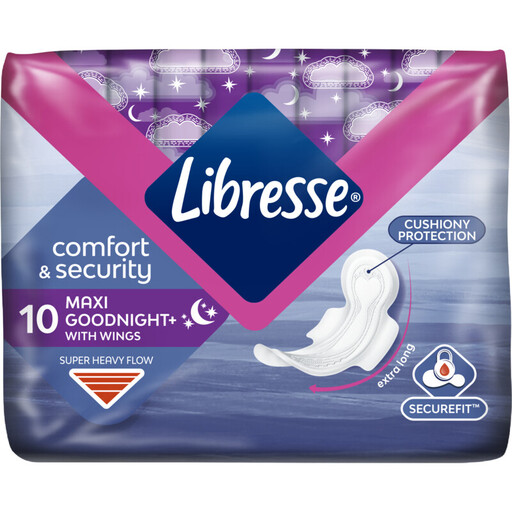
Why this fits the profile: A longer, thicker pad with wings for anyone who needs more coverage during the night.
The product variant explicitly mentions night-time use, a longer shape and wings. This means you don’t have to use a standard daytime pad for the night.
10 pieces; longer and thicker design; wings; according to the product information, unscented.
We’ve put together a full, up-to-date list of products that fully meet these strict selection criteria and comply with current European safety regulations.
Always follow the manufacturer’s instructions and use the lowest absorbency that matches your flow. Products often state a change interval. Don’t leave a tampon in for longer than stated on the packaging, and read the information about TSS.
Unopened sanitary pads can generally be stored until the expiry information on the packaging. Keep them dry and at room temperature. With an older pack, check the date, the packaging and the condition of the material before using them.
That depends on the number of days, the amount of products and the variant you choose. So compare the price per item, not just the price of the pack. A large pack of tampons or panty liners can work out cheaper per item, while night-time pads or period underwear may have a higher cost per use. Use sanitary pads, tampons and panty liners for their intended purpose; that way you avoid unnecessary consumption and buying mistakes.
