
Vandaag of morgen in huis

Kwaliteit gegarandeerd

Welkomstaanbiedingen ontgrendelen: GRATIS bezorging | Tot 80% korting | Gratis 30 dagen JoyPlus-proefperiode
Download de app
Buying pens seems simple enough – until a pen dries out quickly, leaves smudges or feels uncomfortable to write with. A large pack isn’t automatically good value if some pens end up unused in a drawer. Even an eye-catching colour set can disappoint when the nib isn’t suited to the task.
When comparing, watch out for three common pitfalls:
The right choice starts with the task. For notes and forms, ballpoint pens are practical. For colourful summaries, drawing and colouring, colour pens or fibre-tip pens make more sense. If you’re into fine lines, hand lettering or journaling, look at gel pens and fineliners. For transparent film and smooth materials, OHP pens are the answer.
The nib thickness determines how much control you have and how clear the line appears on paper.
Also check whether the stated measurement refers to the metal nib, the writing line or the fibre tip. These terms aren’t always used consistently.
Ballpoint ink is often suitable for forms, admin work and everyday writing. The M&G set, for example, contains retractable pens in four colours with a 0.7 mm nib. The Deli ballpoint pack contains 12 blue pens with a 0.7 mm nib and oil-based ink, according to the product information.
Gel ink often writes smoothly and is available in many colours. The WRITECH gel pens with a 0.5 mm nib are designed for notes, colour-coding and journaling. According to WRITECH’s own information, the ink is quick-drying and intended to reduce smudging. That result can vary depending on the paper type and writing speed, especially for left-handed writers.
Water-based fibre-tip ink is particularly interesting for drawing and colouring. The STABILO Pen 68 uses a water-based, odourless ink according to the product description. STABILO states the ink can be blended with water for a watercolour effect. For this, use thicker paper or card to minimise bleed-through and warping.
Don’t just compare the price – also look at the number of pens per set, the colours and how you’ll store them. A set of 12 blue ballpoints is handy for a family, classroom or office. A set of 8 gel pens in different colours is better suited to colour-coding.
Also pay attention to:
Store pens according to the product instructions. Many fibre-tip pens stay usable if the cap is replaced immediately. The STABILO OHPen universal is designed for smooth surfaces such as plastic, glass, metal and ceramic. The permanent version and the water-soluble version are not the same, so check beforehand which type you need.
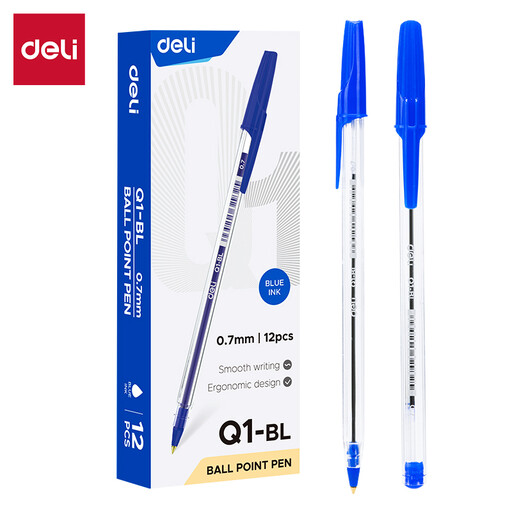
Why this fits the profile: A straightforward supply for school, home or a shared office, without needing to buy different colours.
The nib size, ink colour and quantity are clearly stated. This means you’re not paying for colours or features you don’t need.
12 pens, blue oil-based ink according to the product information and a 0.7 mm bullet tip.
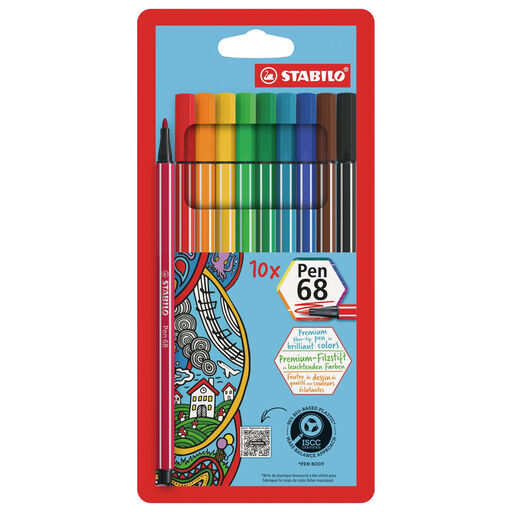
Why this fits the profile: A fitting choice for creative hobbyists, students and adults who combine colouring, drawing and highlighting.
The line width of approximately 1 mm and the water-based ink are more concrete than just a colour claim. Replace the cap after use to minimise drying out.
10 colours, pressure-resistant nib and, according to the product description, blendable with water for watercolour effects.
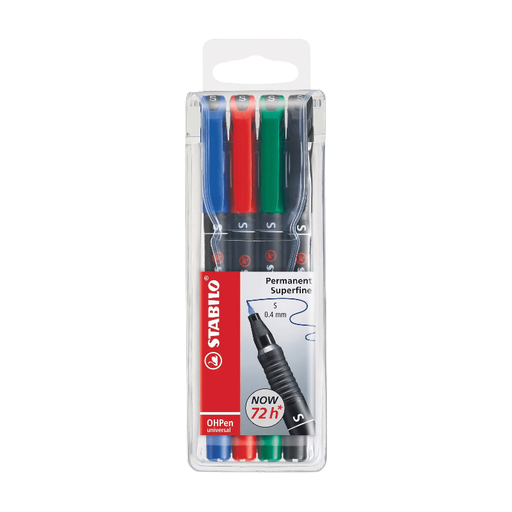
Why this fits the profile: For those who don’t write on paper, but work on transparent film, plastic, glass, metal or ceramic.
The application on smooth surfaces is explicitly described. Only choose this permanent version when removable ink is not desired.
Set of four colours, superfine nib, clip and grip zone; according to the product description, up to 72 hours of protection against drying out without the cap.
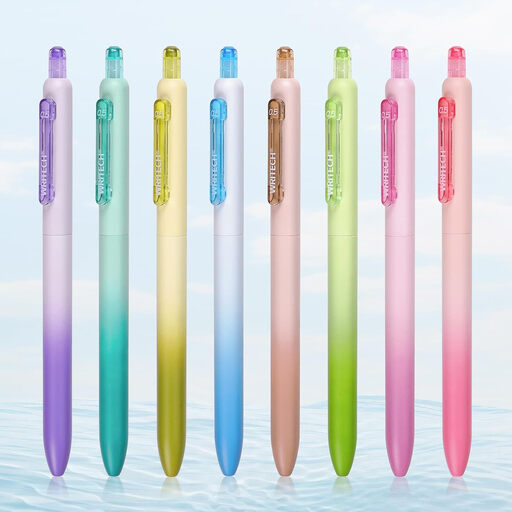
Why this fits the profile: The coloured gel pens are suitable for summaries, diaries and journaling when you work with colour codes.
The 0.5 mm nib is clearly stated and the pens are retractable. This helps prevent loose caps and a writing line that’s too thick.
Eight colours, ridged grip and a quiet click according to the product description; suitable for writing with fine lines.
We’ve put together a full, up-to-date list of products that fully meet these strict selection criteria and current European safety regulations.
For everyday writing, 0.7 mm ballpoint pens are a practical choice. They’re suitable for notes, forms and assignments. For colour-coding, you can add gel pens or fineliners. For young children, check the minimum age and warnings on the packaging.
Replace caps immediately and retract the nibs of retractable pens after use. Store fibre-tip and OHP pens according to the product instructions, usually horizontally or with the nib pointing in the recommended direction. Avoid direct sunlight and extreme temperatures. Claims about how long a pen stays usable without its cap are brand-specific, so read the product description and don’t take this as a guarantee for every situation.
That depends on how you use them. A large set makes sense when you use the same pen often or need multiple colours. For a single workspace, a smaller set can prevent waste. Compare the price per pen, the nib thickness, the colours and the ink type. That way, you choose stationery that suits school, office, drawing or journaling, rather than just going by the number of pens.
