
Vandaag of morgen in huis

Kwaliteit gegarandeerd

Welkomstaanbiedingen ontgrendelen: GRATIS bezorging | Tot 80% korting | Gratis 30 dagen JoyPlus-proefperiode
Download de app
Peas might seem like a simple purchase, but the shelves are packed with choices: canned, frozen, dried, extra fine, young... It's easy to just grab the first option you see, but the wrong choice can lead to a watery meal or unnecessary additives. Before you put anything in your basket, it's wise to consider a few common pitfalls.
A common pitfall is the confusion around terms like "very fine" or "young." These labels suggest a certain quality but say little about the amount of added salt or sugar. Another mistake is overlooking the packaging. Frozen peas are often seen as fresher, but their quality heavily depends on how quickly they were frozen after harvest. Canned peas are convenient, but their texture can sometimes be soft and mushy if you don't choose the right kind.
To avoid disappointment, there are a few objective specifications you can check. These will help you make a choice that suits your dish and preferences.
The form in which you buy peas has the biggest impact on taste, texture, and convenience.
A quick glance at the label tells you everything. The shortest ingredient list is often a good sign. Look for products that consist mainly of "peas" and "water." Some varieties, like those from Hak, use a small amount of sea salt for flavour, which is clearly stated. Be wary of products with added sugars or "natural flavours" if you want the purest taste possible.
Are you cooking for one person or a whole family? Peas are available in all sorts of sizes, from small 150-gram cans to 800-gram bags of frozen peas. A multipack of small cans can be useful for preventing waste, while a large bag of frozen peas is more economical for regular use. Also, consider the packaging itself; a can with a convenient pull-tab lid or a resealable freezer bag increases ease of use.
Based on product specifications and typical use cases, we have selected a few options that suit different households.
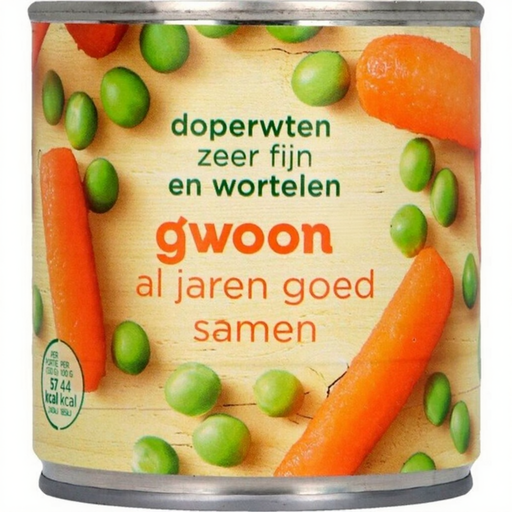
Why This Fits Their Persona: Perfect for a quick, nutritious addition to a family meal. No chopping required—just heat and serve. The combination of peas and carrots is a classic that's a hit with many families.
This product has a very short ingredient list: water, peas, and carrots. With only 0.02g of salt and no added sugars, you avoid the hidden additives found in many other canned goods.
Extremely user-friendly and budget-friendly. The 400g can is a suitable portion for a small family.
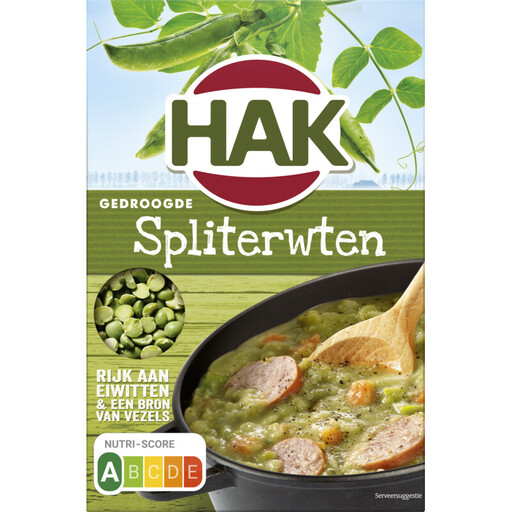
Why This Fits Their Persona: Ideal for those who love making traditional split pea soup from scratch. A bag of dried split peas is the foundation for a large pot of soup, perfect for cold days or for freezing for later.
This is a pure product: it contains only dried peas. You have complete control over the amount of salt and other seasonings, unlike with ready-made soups or canned peas.
Very long shelf life and cost-effective. The peas are a source of fibre and protein, and they form the authentic base for split pea soup.
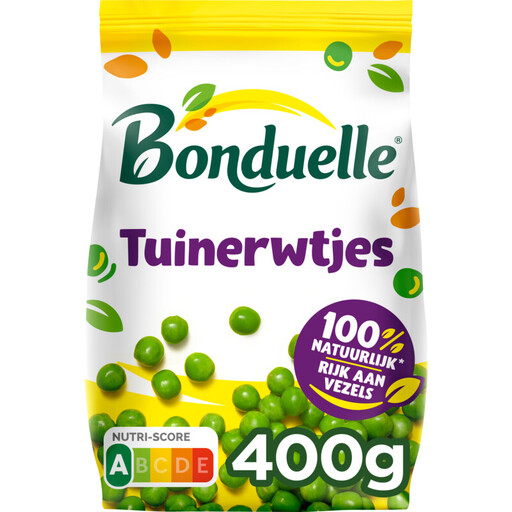
Why This Fits Their Persona: For those who prioritise taste and texture. These frozen peas are ideal for more refined dishes like risotto, pasta, or as a fresh, crisp side dish where the pea itself is the star.
According to Bonduelle, these peas are steamed and frozen immediately after harvesting. This process helps avoid the mushy texture sometimes found in canned peas. The product contains no additives, only peas.
Retains a bright green colour and a firm 'bite'. The peas are individually frozen, making it easy to portion out the right amount.
We have compiled a complete, up-to-date list of products that meet these objective selection criteria.
Green peas and garden peas are essentially the same: they are young, sweet peas sold fresh, canned, or frozen. The terms are often used interchangeably. Split peas, on the other hand, are dried, peeled, and split mature peas. This process causes them to break down during cooking, which makes them ideal for thickening soup.
For canned peas: after opening, transfer the contents to a resealable plastic or glass container. They can then be stored in the refrigerator for 2 to 3 days. Never store them in the opened can. Frozen peas can be kept in the freezer for months, provided the bag is properly sealed. Try to close the bag as airtight as possible after each use.
The processing method does affect nutritional value. According to manufacturers, flash-freezing frozen peas immediately after harvest helps retain a large portion of their vitamins. The heating process for canned peas can lead to a small loss of water-soluble vitamins, like vitamin C. Nevertheless, both options remain a good source of fibre and protein and are an excellent choice for a nutritious meal.
