
Vandaag of morgen in huis

Kwaliteit gegarandeerd

Welkomstaanbiedingen ontgrendelen: GRATIS bezorging | Tot 80% korting | Gratis 30 dagen JoyPlus-proefperiode
Download de app
Buying peanuts seems simple, until you have to choose between salted peanuts, roasted peanuts, spicy varieties and seasoned party nuts. A large bag is not automatically better value, and an eye-catching flavour tells you little about the ingredients. Pay particular attention to the ingredients, net weight and how you intend to use the peanuts.
Whether you are looking for a snack to serve with drinks, at a party or for a quiet evening at home, checking the details carefully will help you avoid a disappointing purchase.
A 500-gram or 1 kg bag of peanuts is practical when you regularly share them or expect several guests. For occasional snacking, however, a smaller pack may be more convenient. Once opened, crunchy peanuts lose their texture more quickly if the bag is not sealed properly.
So do not compare only the price of the pack. Also consider:
Roasted peanuts may contain little more than peanuts and salt, but some varieties also contain oil, sugar, flour, flavour enhancers or a coating. The ingredients can vary considerably, particularly among Asian snacks.
Check the ingredients list. If peanuts are listed as the first ingredient, they make up the largest proportion of the product. With coated snacks, the proportion of peanuts may be lower, while the crunchy outer layer adds extra carbohydrates, salt or sugar.
Spicy peanuts, Thai peanuts and Chinese peanuts can have very different flavour profiles. “Tom Yum”, for example, refers to a combination of spicy, sour and savoury notes. Sichuan pepper can create a tingling or numbing sensation in the mouth. A barbecue variety is often more sweet and smoky than hot.
So also check the herbs, spices and allergens on the label. A product containing fish, milk, soya or wheat may not be suitable for everyone.
The product description and label are the most reliable sources of information. Brand claims about a special roasting technique or freshness are not a guarantee that the flavour will suit your personal preferences. A brand’s own research may suggest that certain preparation methods produce a particular result, but always check the actual ingredients and storage instructions.
Peanuts are a mandatory allergen to declare in the European Union. Snacks may also contain wheat, gluten, soya, milk, fish or other nuts. Wheat flour and soya sauce are common ingredients in coated peanuts.
Look out for terms such as:
Recipes can change. Always check the current product packaging with every order, especially when someone with an allergy will be eating the snack.
Nutritional values are usually given per 100 grams. This makes comparisons easier, but serving sizes vary depending on the occasion. A 110-gram bag is suitable for trying a product or sharing with a small number of people. A 230- to 300-gram pack is better suited to serving with drinks. For stocking up or catering for a large group, 500 grams or 1 kg may make more sense.
Also compare the salt, sugar and fat content based on the same quantity. A coated snack may have a different nutritional composition from plain roasted peanuts because of its outer layer. Use nutritional information to help you make a purchase, not as a medical assessment.
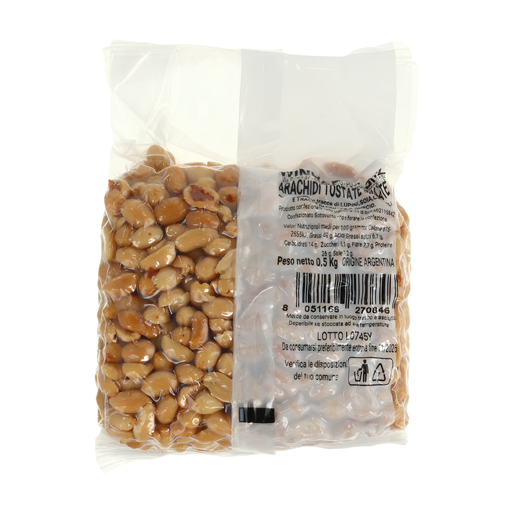
Why it suits this profile: A large pack of dry-roasted peanuts with a short ingredients list. Suitable for everyday snacking or sharing with several people.
The 500-gram net weight is clearly stated. The ingredients are peanuts and salt, so there is no lengthy coating list to work through first.
500 g, ready to eat, dry-roasted and, according to the product information, to be stored in a cool, dry place.
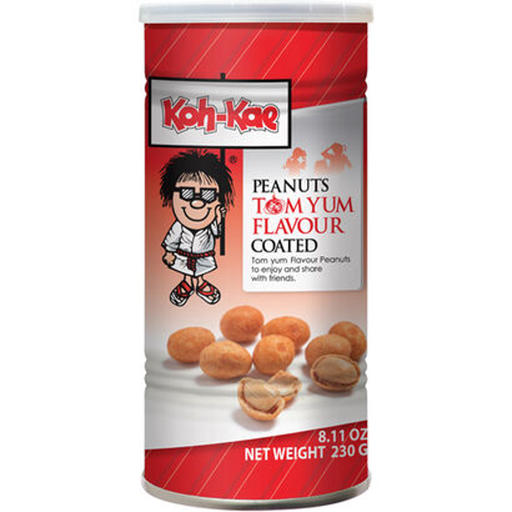
Why it suits this profile: For anyone looking for a distinctive Thai snack with multiple layers of flavour and a substantial coating.
The flavour is clearly described as Tom Yum. However, check the allergens beforehand: the product information lists peanuts, fish and wheat.
230 g, a crunchy coating and a flavour profile featuring chilli, lemon and lemongrass according to the product description.
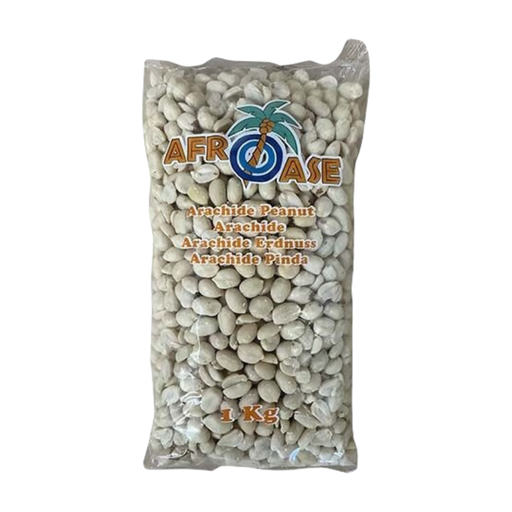
Why it suits this profile: A generous supply for large households, parties or use in your own recipes.
The product information distinguishes between raw, roasted and sugared varieties. When it arrives, check which version is included in the pack.
1 kg net weight and several varieties within the product range, including raw and roasted peanuts.
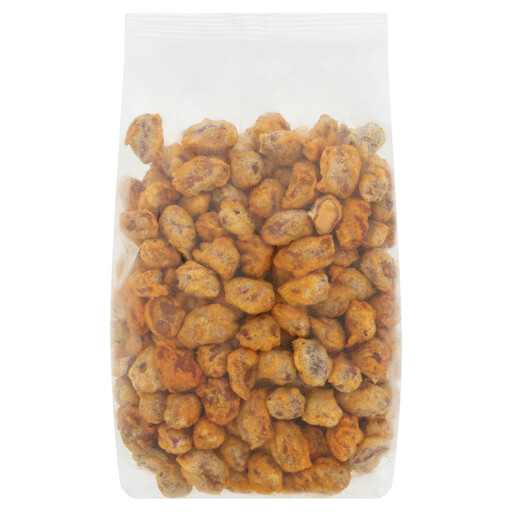
Why it suits this profile: A straightforward choice for anyone looking for spicy peanuts with a seasoned coating to serve with drinks or beer.
The product name and ingredients explicitly mention chilli and pepper powder. This makes it clear in advance that it is a seasoned, non-neutral variety.
220 g, a crunchy coating and a clearly savoury, spicy flavour profile.
We have compiled a complete, up-to-date list of products that fully meet these strict selection criteria and the applicable European safety regulations.
Store dry peanuts according to the packaging instructions in a cool, dry place, away from sunlight, heat and moisture. Seal the bag securely after opening. This is particularly important for party nuts and coated peanuts, as moisture can make the coating soft.
If the packaging is damaged, do not check the contents for freshness alone. Also follow the instruction not to use the product if the packaging is damaged. Frozen boiled peanuts are subject to different rules: keep them frozen, refrigerate them once thawed and do not refreeze them.
Salted peanuts, roasted peanuts and party nuts with a savoury coating are popular choices. For a classic selection, a simple salted variety works well. If you prefer more flavour, choose Provençal herbs, barbecue, chilli or Tom Yum.
This depends on the packaging, the best-before date and how they are stored. Seal dry peanuts well and keep them somewhere cool and dry. Ideally, use opened snacks as soon as possible, particularly when the packaging specifically recommends this.
First check the level of heat, then the allergens. Thai peanuts may contain coconut, chilli, fish or wheat, for example. Chinese peanuts may contain Sichuan pepper, soya sauce or a spiced coating. The ingredients list on the current packaging provides the most reliable information.
