
Vandaag of morgen in huis

Kwaliteit gegarandeerd

Welkomstaanbiedingen ontgrendelen: GRATIS bezorging | Tot 80% korting | Gratis 30 dagen JoyPlus-proefperiode
Download de app
Buying peanuts seems simple, until you are faced with a shelf or online selection of unsalted peanuts, roasted peanuts, peanuts in their shells, sugar-coated peanuts and all kinds of peanut snacks. The packaging often highlights flavour, size or an eye-catching coating, while important information is shown in smaller print.
So pay particular attention to these three common pitfalls:
Ready-to-eat peanuts are convenient for snacking. If you want to season them yourself or are looking for peanuts for Asian dishes, raw peanuts or peanuts with their skins on are a better choice. You can roast, chop or use them in sauces, salads, noodle dishes and baked goods.
Peanuts in their shells are particularly suitable for relaxed snacking and sharing. Bear in mind that part of the weight consists of the shell. Boiled peanuts, such as Mooijer Whole Boiled Peanuts, have different storage requirements: they must remain frozen until you use them.
Ingredients are listed in descending order, from the largest proportion to the smallest. A product containing 100% peanuts or almost nothing but peanuts has a different profile from sugar-coated peanuts, honey mixes or chocolate products.
Practical examples:
With sugar-coated peanuts, look out for added sugar, glucose syrup, honey and any sweeteners. With a nut mix, also check which other nuts have been added and whether traces of other allergens may be present.
Serving sizes vary between brands and pack sizes. So do not just compare the front of the pack; also check the table per 100 grams. Important points include:
The term “high in protein” is only meaningful when you look at the specific nutritional information table. A product with a sugar or chocolate coating may have a different ratio per 100 grams from natural peanuts.
According to the product information, Golden Turtle Premium Raw Peanuts with Skin contains only peanuts and comes in a 500-gram bag. The peanuts with their skins on are intended for roasting, chopping or using in curries, stir-fries, salads and sauces, among other dishes. This is a practical choice if you want to decide how they are prepared and seasoned yourself.
Unsalted peanuts are a good choice if a short ingredients list is important to you. However, pay attention to possible cross-contamination: g'woon Unsalted Peanuts contain 99% peanuts and sunflower oil and may contain cashew nuts, according to the product information.
Roasted peanuts are ready to eat and have a distinctly crunchy texture. Verse’s extra-large variety is unsalted and, according to the stated product information, contains only peanuts. If you prefer a salted or seasoned flavour, dry-roasted varieties may be more suitable.
Sugar-coated peanuts and chocolate peanuts are intended as a treat or a snack to share. They are less suitable if you are mainly looking for a natural product with few added ingredients. If you have allergies, pay particular attention to milk, soya, other nuts and possible traces.
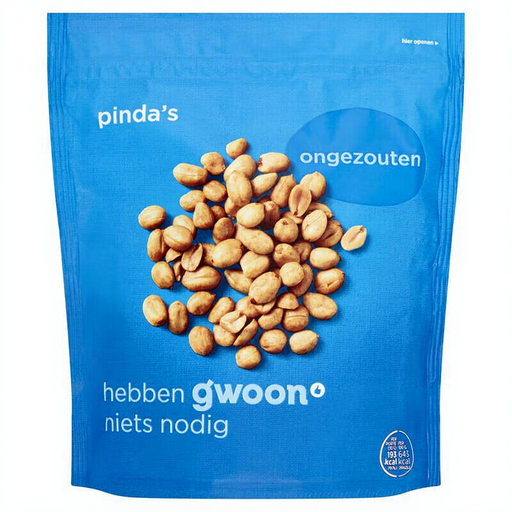
Why it suits this profile: A manageable 250-gram bag with a short ingredients list is suitable as a first purchase for snacking or using in recipes.
This is not a sugar-coated or chocolate snack. The ingredients list states 99% peanuts and sunflower oil; do check the warning about cashew nuts.
27 grams of protein and 0.02 grams of salt per 100 grams according to the product information; suitable for eating straight away.
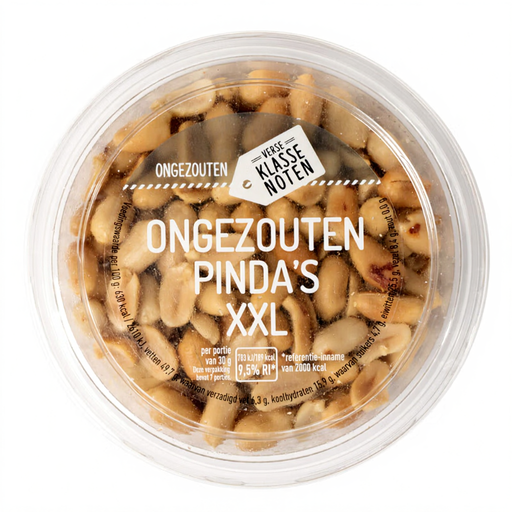
Why it suits this profile: The extra-large peanuts are an obvious choice if size, roasted flavour and a natural composition are your priorities.
No sugar coating, seasoning mix or added salt is listed. The ingredients list consists of 100% peanuts.
26 grams of protein, 8.5 grams of fibre and just 0.02 grams of salt per 100 grams according to the product information.
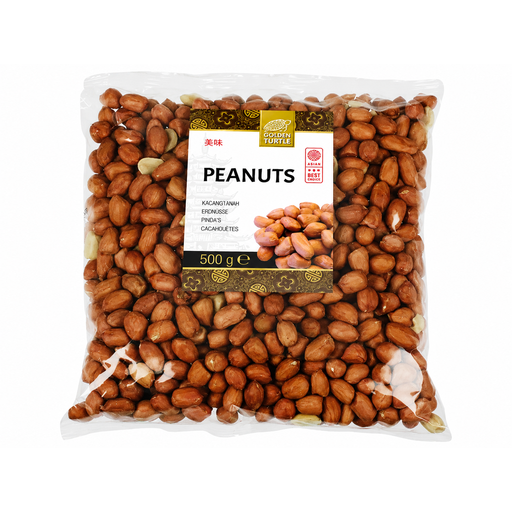
Why it suits this profile: The 500-gram bag is practical for home cooks who regularly use peanuts in Asian dishes, sauces, salads or baked goods.
You are not paying for a ready-made coating or seasoning layer. According to the product information, the product consists of peanuts with their natural skins on.
500 grams, suitable for roasting, chopping, cooking and garnishing; the stated nutritional value includes 26 grams of protein per 100 grams.
Store opened peanuts in a cool, dry and dark place and seal the packaging securely. Moisture, heat and sunlight can affect their texture and flavour. Do not use a pack if it is damaged, and follow the best-before information on the label.
Peanuts are an EU-recognised allergen. Also check whether a product contains milk, soya, cashew nuts or other nuts. If in doubt, refer to the information on the current packaging. This also applies when ordering peanuts online: product information can change.
We have put together a complete, up-to-date list of products that fully meet these strict selection criteria and the applicable European safety regulations.
Raw peanuts with their skins on are versatile. You can roast, chop or use them in sauces, curries, noodles and salads. Unsalted varieties give you greater control over the final flavour.
This depends on the packaging, processing and storage conditions. Seal the bag securely, store the peanuts somewhere cool and dry, and always follow the best-before date on the packaging. Before eating, check their smell, flavour and appearance.
Not necessarily. They are particularly suitable if you are looking for a short ingredients list or less added salt. For a sweet treat, sugar-coated peanuts or a honey and nut mix may be a better fit. Compare the ingredients and nutritional values with the way you intend to use them.
