
Vandaag of morgen in huis

Kwaliteit gegarandeerd

Welkomstaanbiedingen ontgrendelen: GRATIS bezorging | Tot 80% korting | Gratis 30 dagen JoyPlus-proefperiode
Download de app
When you want to buy peanuts, you’ll quickly see dozens of varieties: from salted peanuts and roasted peanuts to coated party nuts, spiced peanuts and sweet sugar peanuts. The difference isn’t just about flavour. The quantity of peanuts, coating, allergen information and packaging also determine whether a product suits your needs.
Whether you’re looking for peanuts for drinks with friends, a party, on the go or as an addition to Asian dishes, these practical checks will help you avoid a bad buy.
With coated party nuts and other enrobed snacks, part of the weight comes from flour, starch, sugar, oil or flavourings. A 230g product can therefore contain fewer actual peanuts than a 200g bag of uncoated peanuts.
So always check the percentage of peanuts in the ingredients list. For example, g'woon Sugar Peanuts contain 59% peanuts and 33% sugar. Duyvis Salted Peanuts, on the other hand, state 99% peanuts. These are clearly different types of snack, even though both fall under the peanut category.
Spicy peanuts can taste mainly salty, aromatic, sour or hot. Asian peanut snacks often feature ingredients such as Sichuan pepper, chilli, soy sauce, teriyaki, coconut or Tom Yum. So check the ingredients and allergens before you order.
Pay particular attention to soya, wheat, gluten, milk, fish and celery. Especially with coated peanuts and spiced peanuts, multiple allergens can be present. The information on the product packaging is definitive, as composition and labelling can change.
A resealable bag is practical, but peanuts lose their crunchy texture when exposed to moisture or heat for a long time. So store opened peanuts in a well-sealed container in a cool, dry place, away from direct sunlight. Also check on receipt that the packaging isn’t damaged.
Nutritional values make products easier to compare. Don’t just look at calories, but also at sugars, salt, fats and protein per 100g. A sugar coating, for example, gives a much higher sugar content than natural roasted peanuts.
g'woon Sugar Peanuts list 38g of sugar per 100g. The unsalted Verse Extra Large Roasted Peanuts consist of 100% peanuts according to the product information and contain 0.02g of salt per 100g. That makes it clear which product suits a sweet snack and which one is a more neutral choice.
If you want to use peanuts in a dish, you’ll usually choose unsalted or lightly spiced varieties. For snacking straight from the bag, coated peanuts and spiced peanuts make more sense.
A small pack of 50g to 130g is handy for on the go or for trying a new flavour for the first time. For a party or several drinks occasions, bags of 225g to 500g are more practical. Peanuts in a 250g bag are a useful medium size for home use.
Also check the number of portions stated on the packaging. A large bag is only good value if you use the contents within the recommended quality period and seal the bag properly.
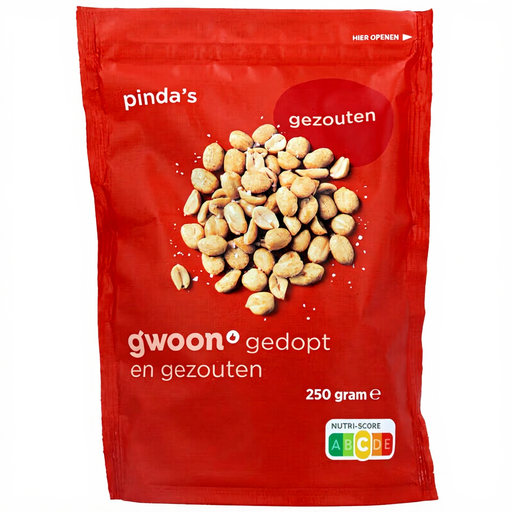
Why this fits the profile: A straightforward size for home use, with a familiar flavour and a short ingredients list.
The product information states 99% peanuts and 0.7% salt. So there’s very little coating to disguise the weight.
250g, simple ingredients and suitable as a snack with a drink.

Why this fits the profile: Ideal for anyone looking for a large, unsalted peanut with the simplest possible ingredients.
The product description states 100% peanuts and virtually no salt, so sugar or spice coatings aren’t a factor.
Extra large size, 210g and suitable for snacking on their own or using in dishes.
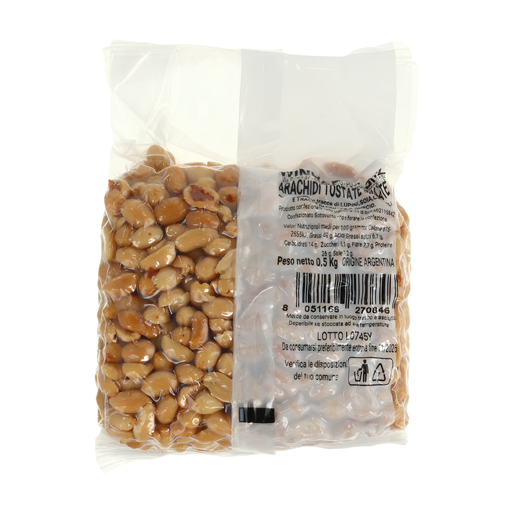
Why this fits the profile: A large pack for regular drinks occasions, parties or fans of Asian snacks.
The product information lists only peanuts and salt. This makes the flavour much easier to judge than with a complex coating.
500g, dry roasted and salted; great for sharing with drinks.
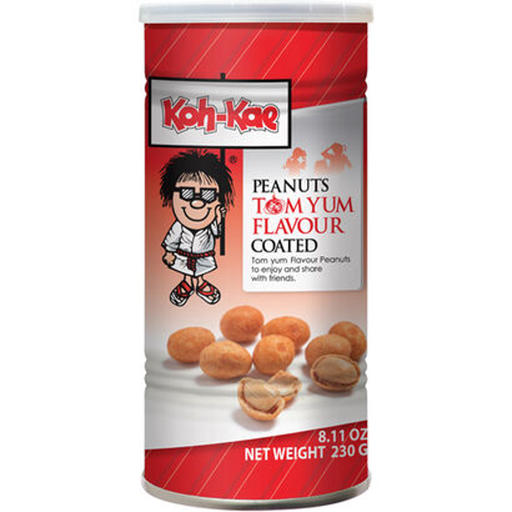
Why this fits the profile: A choice for anyone who wants peanuts combined with a spicy, hot and tangy Tom Yum style.
The flavour direction is clearly stated. Do check the ingredients, though, as the coating contains fish and wheat among other things.
230g, crunchy coating and a distinctive flavour for drinks parties or get-togethers.
We’ve put together a full, up-to-date list of products that fully meet these strict selection criteria and comply with current European safety regulations.
Store unopened packs according to the instructions on the label. After opening, an airtight seal helps keep the crunchy texture for longer. When serving with drinks, it’s better to put out small portions and top up as needed. That way, the rest of the bag stays better protected from moisture.
For dishes, you can roughly chop salted peanuts as a topping. Roasted peanuts work well in salads and hot meals. Sweet sugar peanuts are mainly intended for eating straight from the bag; combining them with a savoury dish is less obvious.
For a small group, 200g to 250g is often a practical starting point, depending on how many other nibbles you have. For larger groups or multiple occasions, packs of 370g to 500g are more convenient. Also look at the number of peanuts per pack, not just the size of the bag.
No. Roasted describes the preparation method, not the amount of salt. There are unsalted roasted peanuts, lightly salted varieties and heavily spiced party nuts. Always check the ingredients list and nutritional values per 100g.
That depends on the packaging, humidity and storage temperature. Seal the bag well immediately after use and store it in a cool, dry place. A date on the packaging indicates the shelf life, but after opening also check the smell, taste and texture before serving the snack.
