
Vandaag of morgen in huis

Kwaliteit gegarandeerd

Welkomstaanbiedingen ontgrendelen: GRATIS bezorging | Tot 80% korting | Gratis 30 dagen JoyPlus-proefperiode
Download de app
Peanuts may seem straightforward to compare, but the differences between unsalted peanuts, salted peanuts, roasted peanuts and protein products are significant. The right choice depends on when you’ll eat them, the flavour you prefer, your portion size and the nutritional values.
Pay particular attention to three common pitfalls:
Raw peanuts are ideal for roasting yourself, using in sauces or adding to Asian dishes. Golden Turtle Premium Raw Peanuts with Skin contains peanuts with the red skin on and is intended for uses such as roasting, stir-fries, curries and salads.
Roasted peanuts are ready to eat and have a more intense, crunchy flavour. Do check whether salt, oil or spices have been added. According to the product information, Duyvis Roasted Peanuts consists of 97% peanuts, supplemented with salt, rice flour, potato starch and flavourings.
If you’re after a neutral base, you can opt for unsalted varieties. Duyvis Unsalted Peanuts lists 100% peanuts and sunflower oil. Verse Extra Large Roasted Peanuts lists 100% peanuts and just 0.02 grams of salt per 100 grams.
Always compare the values per 100 grams. The differences are clear:
Peanuts are energy-dense. The products mentioned provide around 600 kilocalories per 100 grams. A portion of 25 to 30 grams is therefore more practical if you want to control your intake. Using a kitchen scale or a separate snack pot helps you avoid eating several portions without realising.
A standard bag of peanuts works well as a snack, topping or ingredient. A protein bar with peanuts is more convenient for on the go, but it often also contains syrup, chocolate, sweeteners or other protein sources.
The nutritional values vary:
A protein bar is therefore not automatically a replacement for plain peanuts. Choose based on your goal: a snack with a short ingredients list, a bar for on the go, or a product with a higher protein content.

Why this fits the profile: A straightforward pack for anyone who wants to try unsalted peanuts without buying a large quantity straight away.
The product information states 99% peanuts, sunflower oil and just 0.02 grams of salt per 100 grams. So you can see exactly what you’re buying.
250 grams, 27 grams of protein per 100 grams and a low stated salt value.
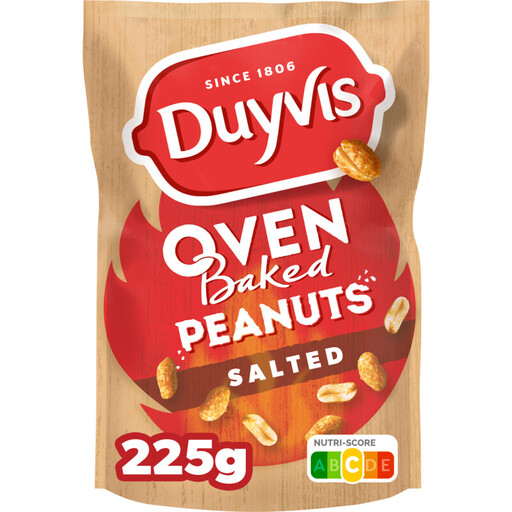
Why this fits the profile: Ideal for anyone looking for ready-to-eat, roasted peanuts with a savoury flavour.
The pack states 7 to 8 portions and a portion size that’s easy to divide. The ingredients list makes the added flavourings and salt visible.
225 grams, roasted and ready to eat, with 24 grams of protein per 100 grams.
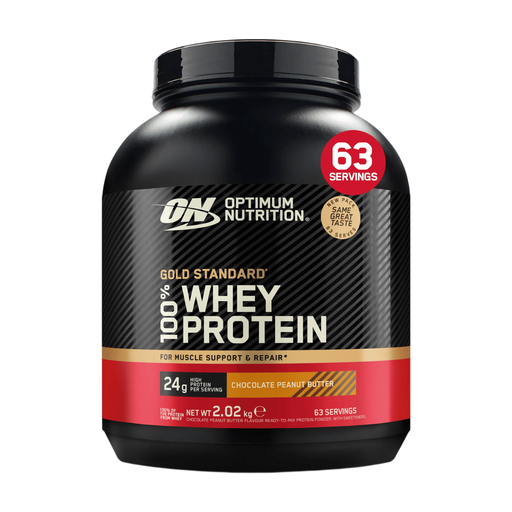
Why this fits the profile: For athletes who regularly use a whey supplement with peanut flavour and want a large tub.
The product information states per 32-gram scoop: 24 grams of protein, 117 kilocalories and 1 gram of sugar. It’s clearly a supplement, not a regular peanut snack.
2.02 kilograms, approximately 24 grams of protein per scoop and a Chocolate Peanut Butter flavour.
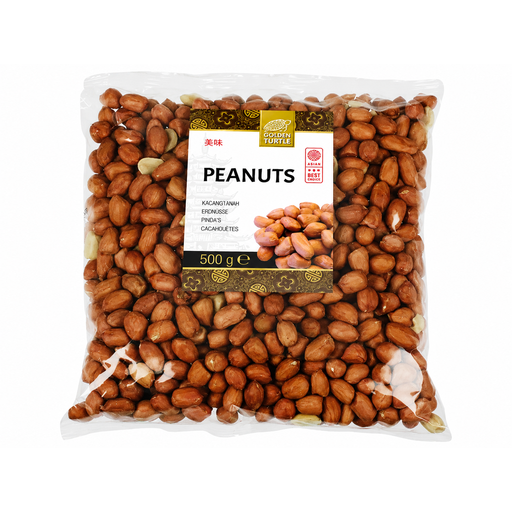
Why this fits the profile: A useful supply for roasting, boiling, baking and making Asian sauces yourself.
According to the description, the product consists of peanuts and is not already seasoned or salted. This means you control the preparation and flavour yourself.
500 grams, with skin, suitable for roasting, stir-fries, curries and peanut sauce.
We’ve put together a full, up-to-date list of products that fully meet these strict selection criteria and comply with current European safety regulations.
Unsalted peanuts generally contain less added salt than salted or seasoned varieties. Do check the exact nutritional value. Duyvis Unsalted Peanuts states less than 0.01 grams of salt per 100 grams, while g’woon Unsalted Peanuts states 0.02 grams. Also pay attention to oil and the portion size.
Raw peanuts haven’t been roasted yet and give you more flexibility for your own preparation. Roasted peanuts are ready to eat and have a crunchier texture. For Asian peanuts, curries and homemade peanut sauce, raw peanuts are practical; for a quick peanut snack, roasted varieties are more convenient.
Store peanuts in a sealed bag, in a cool, dry place, away from direct sunlight and away from heat and moisture. Always check the best-before information on the pack. Discard the product if the packaging is damaged or if the smell and taste have clearly changed. If you have a peanut or nut allergy, read the allergen information and any possible traces statement carefully before purchasing.
