
Vandaag of morgen in huis

Kwaliteit gegarandeerd

Welkomstaanbiedingen ontgrendelen: GRATIS bezorging | Tot 80% korting | Gratis 30 dagen JoyPlus-proefperiode
Download de app
Buying peanuts might seem straightforward, until you’re standing in front of a shelf or browsing an online range with dozens of varieties. Do you go for plain, salted peanuts, roasted peanuts, or perhaps spiced party nuts with a seasoned coating? The difference isn’t just about flavour. The ingredients list, portion size, allergens and shelf life all determine whether a product suits your needs.
A 500 g bag of peanuts or a 1 kg pack might look appealing for a party or a big household. But always check the price per 100 grams and consider how much of the weight is made up of coating, sugar or spices. With coated peanuts, the actual peanut content can be around half. A smaller bag with a higher peanut percentage could therefore be a better match for your preference.
Roasted peanuts can be mostly peanuts, but sometimes oil, salt, flavourings or enhancers are added too. So don’t just look at the front of the pack. Ingredients are listed in descending order. If peanuts are the first ingredient and the percentage is high, you’ll know exactly what you’re buying.
Spicy peanuts, Asian-style peanuts and party nuts often contain wheat, soya, milk or fish as part of the coating or seasoning. Always check the current packaging, even if you’ve bought a similar variety before. If you have known allergies, both the ingredients and the warning about possible traces are important.
For a simple peanut snack, plain peanuts or lightly salted varieties are a sensible choice. According to the product information, G’woon Salted Peanuts contain 99% peanuts, sunflower oil and 0.7% salt. For a sweet treat, G’woon Sugar Peanuts contain 59% peanuts and 33% sugar. That’s a clear difference in composition.
Also pay attention to the preparation process:
Compare nutritional values per 100 grams, not just per portion. Portion sizes can vary between brands. For example, G’woon Salted Peanuts lists 0.7 grams of salt per 100 grams, while Duyvis Roasted Peanuts lists 1.4 grams of salt per 100 grams. Yasijia Packed Salt-Baked Peanuts 500g lists 2.0 grams of salt per 100 grams.
With sweet varieties, the sugar content varies even more. G’woon Sugar Peanuts lists 38 grams of sugar per 100 grams. For a product with chocolate, such as G’woon Peanut Flips, milk and soya also play a role in the allergen information.
These figures aren’t health advice. They simply help you compare products objectively and make a choice that suits your eating occasion.
When ordering online, check the net weight, the packaging and the shelf-life information. For the White Peanuts range, the stated shelf life varies by variant according to the product description: roughly 6 to 12 months for unopened raw shelled peanuts, around 9 months for roasted peanuts, and about 6 months for sugar-coated peanuts.
Store opened peanuts in a cool, dry and dark place. Seal the bag well to prevent moisture and loss of crunchiness. Different conditions apply to frozen products. For example, Mooijer Whole Boiled Peanuts must stay frozen until you use them and should not be refrozen after thawing.
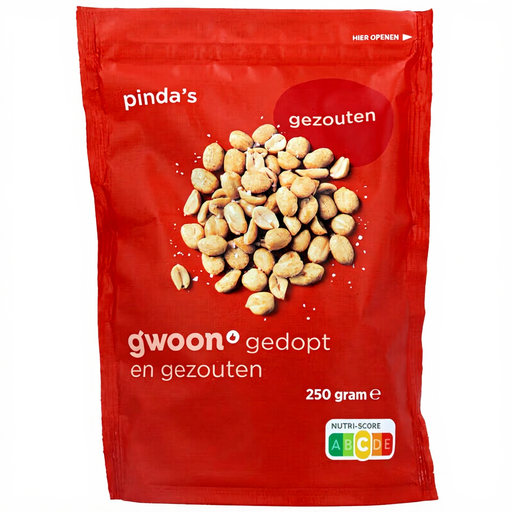
Why this fits the profile: A straightforward pack for everyday snacking, a drink with friends, or to try a trusted salted variety first.
The product information states 99% peanuts and 0.7% salt, so the composition is easy to check.
250 grams, 99% peanuts and ready to eat as a snack or with drinks.
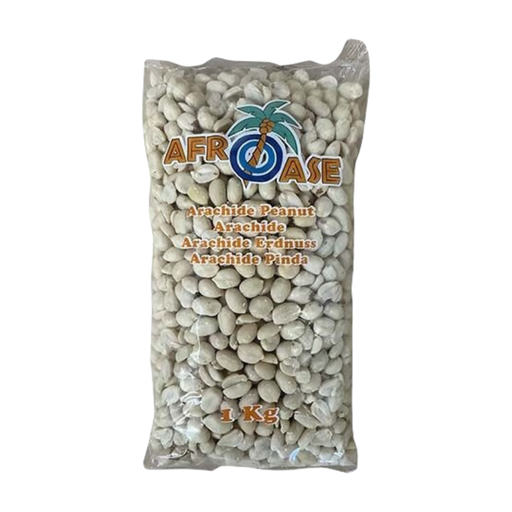
Why this fits the profile: A large size for anyone who wants to compare different preparation methods or uses peanuts regularly.
The product description distinguishes between raw, roasted and sugar-coated varieties and gives an indicative shelf life for each.
1 kg content and a choice of different varieties; suitable for snacking and using in dishes.
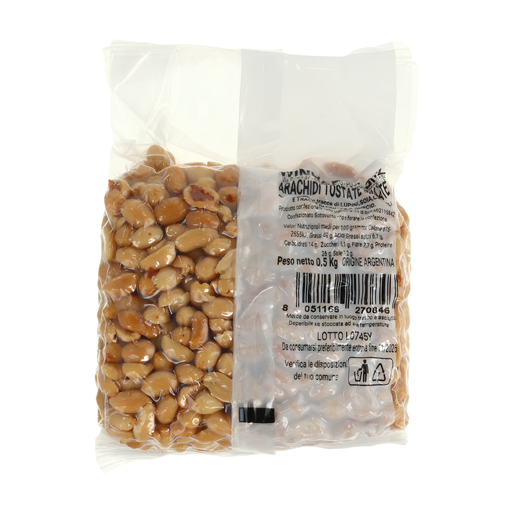
Why this fits the profile: For fans of a robust, savoury snack and for use with drinks, parties or Asian dishes.
The product information lists just two ingredients: peanuts and salt. The salt content of 2.0 grams per 100 grams is also stated.
500 grams, dry roasted according to the product description and ready to eat.
We’ve put together a full, up-to-date list of products that fully meet these strict selection criteria and comply with current European safety regulations.
Compare the net weight, price per 100 grams, the peanut percentage, salt and sugar content, and the full ingredients list. Also check the allergen information and storage advice. Product images can change; for your final decision, use the information on the current packaging.
This varies by product and packaging. According to the product information, unopened roasted peanuts can last around nine months, but after opening the crunchiness decreases more quickly. Seal the pack well and store it in a dry, cool place away from direct sunlight. Always follow the date and instructions on the packaging.
Peanuts in shell, such as G’woon Peanuts in Shell 500 g, are best when you want to remove the shell yourself and snack at a leisurely pace. For on the go or a quick drink, shelled or ready-to-eat peanuts are more practical. Always check the allergen information and current product details for each variety.
