
Vandaag of morgen in huis

Kwaliteit gegarandeerd

Welkomstaanbiedingen ontgrendelen: GRATIS bezorging | Tot 80% korting | Gratis 30 dagen JoyPlus-proefperiode
Download de app
Buying peanuts seems simple, until you’re faced with a shelf or an online selection offering dozens of varieties. Are you looking for unsalted peanuts, roasted nuts, peanut butter or an ingredient for peanut sauce? The differences aren’t just about flavour. The ingredients, allergens, preparation method, packaging and shelf life also determine whether a product suits your needs.
As a Joybuy Product Recommendation Officer, I filter product information for practical details. That way, you can quickly find peanuts to suit everyday snacking, Asian dishes or a well-stocked cupboard without unnecessary additives.
A pack may look simple, while the product itself contains added oil, salt, sugar or palm fat. Always check the ingredients list. For example, pure peanut butter should contain only 100% peanuts. Snack products may include sunflower oil, spices or a crunchy coating as part of the recipe.
Also be aware of the difference between peanut butter, peanut paste and peanut sauce. Peanut butter is generally intended as a spread, while peanut sauce often contains extra flavourings and is used directly in hot dishes.
Raw peanuts are suitable for roasting at home, adding to dishes or grinding. They don’t have the same ready-to-eat crunch as roasted peanuts. Seasoned peanuts, such as coated peanuts or katjang pedis, often contain flour, oil, salt, sugar and flavourings.
So think about when you’ll use them. A plain variety may be more convenient for a salad or stir-fry. Roasted or seasoned peanuts are ready to eat as a snack.
A 1 kg bag may seem appealing if you use peanuts often, but nuts can lose their flavour and crunch if the pack is left open for too long. For peanut butter and sauces, a suitable pack size is often more practical. Also check the best-before date and storage instructions on the packaging, especially for products containing oil.
Peanuts are among the allergens that must be declared in the EU. Check not only whether the product contains peanuts, but also whether it lists peanut oil, milk, soya, sesame, wheat or other nuts. “May contain traces” is an additional warning, not a guarantee that the product is allergen-free.
Mixed Asian snacks may contain several allergens. Always read the current packaging, even if you’ve bought the same brand before.
Compare products using the table per 100 g, not just per serving. Pay particular attention to fat, saturates, carbohydrates, sugars, protein and salt. Peanuts and peanut products can vary considerably in their nutritional make-up because of added ingredients such as sugar, oil or a seasoned coating.
A product with no added salt is different from one with a flavoursome coating. Neither is automatically suitable for every use; it depends on your recipe and preferences.
Check whether the product is ready to eat or needs to be prepared first. Raw peanuts, for example, may be intended for roasting or cooking. A frozen product with a peanut and sesame filling must be kept frozen and heated thoroughly according to the instructions.
When ordering online, net quantity, whether the pack can be resealed and how much storage space you have are also worth considering. A resealable bag is handy for snacks. A tin or jar can be useful for peanut butter, but check the label for storage advice once opened.
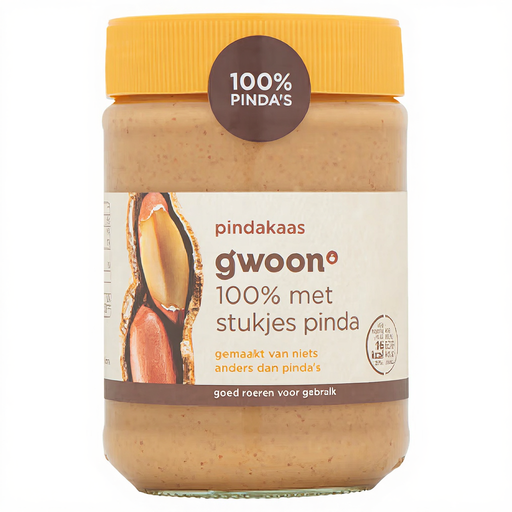
Why it suits this profile: According to the product information, this peanut butter contains only peanuts. It’s suitable for toast, baking, smoothies or homemade peanut sauce.
The short ingredients list makes it easy to check for added sugar, salt and oil. You may need to stir it if the natural oil separates.
100% peanuts according to the product description, in a 350 g jar with pieces for extra texture.
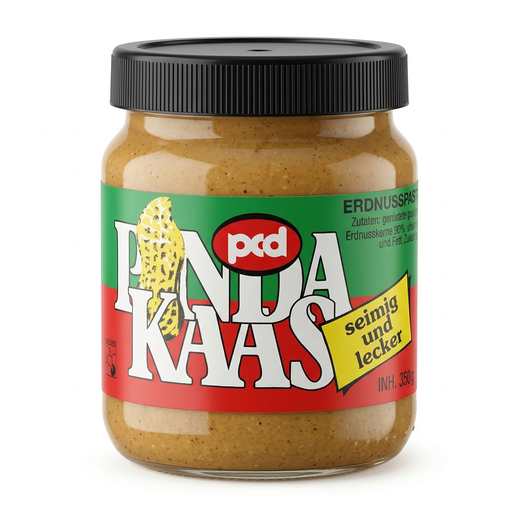
Why it suits this profile: A simple base for anyone who wants to decide how much sweetness, salt or other ingredients to add to a dish.
The product information states that it contains 100% peanuts, with no added sugar, salt or hydrogenated oil. Check the current packaging when it arrives.
350 g, suitable for spreading, baking, cooking and smoothies; according to the product information, it contains only peanuts.
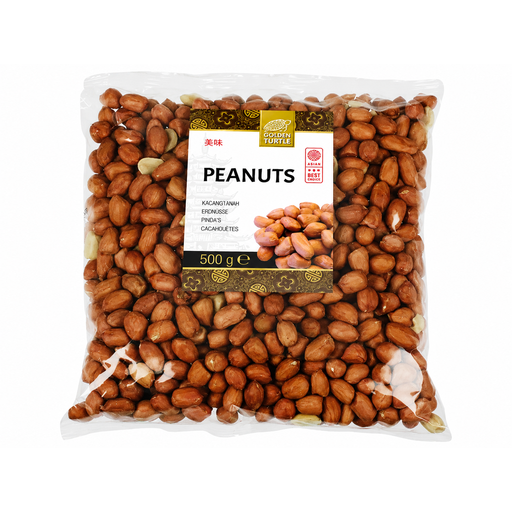
Why it suits this profile: A store-cupboard staple for anyone who wants to roast, cook or grind their own peanuts, or add them to Asian dishes.
These peanuts are unroasted and, according to the product information, contain only peanuts. You can choose how much oil, salt and seasoning to add.
500 g with skins on, suitable for roasting, stir-fries, curries, salads, desserts and homemade peanut sauce.
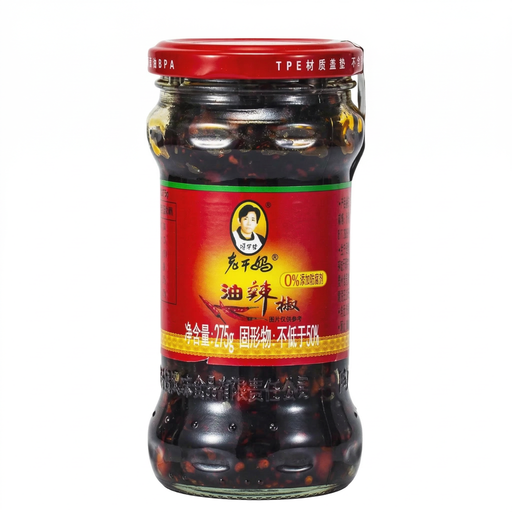
Why it suits this profile: A ready-to-use topping for noodles, rice, dumplings and stir-fries when you want to keep preparation to a minimum.
The ingredients and nutritional information are listed, including 15% peanuts, 22% chilli flakes and 5,2 g salt per 100 g. This makes it easy to portion as needed.
275 g, ready to use and packed with crunchy chilli flakes and peanuts. Contains peanuts and wheat; stir before use.
We’ve put together a complete, up-to-date list of products that meet these strict selection criteria and the applicable European safety regulations.
It depends on how you’d like to prepare it. You can roast raw peanuts first and then grind them. 100% peanut butter is also a convenient base. Add water, ketjap, lime, garlic or sambal yourself, so you can control the flavour and salt content.
Not always. Unsalted peanuts are useful when you want to add your own seasoning or salt. For a ready-to-eat snack, a roasted or seasoned variety may offer more flavour. Even with unsalted products, check the ingredients list: some varieties contain sunflower oil, for example.
Store unopened products according to the label, usually in a cool, dry place away from direct sunlight. Seal opened bags and jars tightly. Natural peanut butter may separate, with oil rising to the top; if this happens, stir it in and follow the instructions on the packaging. When ordering online, also check the best-before date and the condition of the packaging on delivery.
