
Vandaag of morgen in huis

Kwaliteit gegarandeerd

Welkomstaanbiedingen ontgrendelen: GRATIS bezorging | Tot 80% korting | Gratis 30 dagen JoyPlus-proefperiode
Download de app
Buying pasta may seem simple, until you have to choose between spaghetti, macaroni, fusilli, farfalle, rigatoni, tagliatelle or tortellini. Then there is wholegrain pasta, gluten-free pasta, organic pasta and a range of pack sizes to consider. An attractive pack does not always tell you enough about what you are actually getting.
Pay particular attention to the ingredients list, allergens, nutritional values, serving size and intended use. This will help you avoid buying a pack that does not suit your recipe, dietary requirements or household size.
Thin spaghetti behaves differently from ridged rigatoni. Runny sauces cling well to long pasta, while thicker sauces work better with hollow or twisted shapes. If you choose based solely on the name or appearance, you may end up with a less suitable combination.
The front of a pack may highlight a product feature, but the ingredients list is what matters. With wholegrain pasta, it is important to check how much wholegrain flour has actually been used. For example, Grand'Italia Spaghetti Half Whole Wheat lists 50% durum wheat semolina and 50% wholegrain durum wheat semolina. This is different from pasta made entirely from wholegrain flour.
With gluten-free pasta, do not just look for the words “gluten-free”. According to the product information, Grand'Italia Gluten-Free Fusilli is made from white rice, wholegrain rice, maize and quinoa, but it also lists soya as an allergen. If you have an allergy, always check the label on the pack delivered.
A 500-gram pack of pasta is practical for many households, but a multipack is only useful if you use that shape regularly and can make the most of its shelf life. For a smaller household, a 220- or 350-gram pack may be a better fit for a single meal. Also check the price per kilogram, not just the price of the pack.
Much Italian pasta is made from 100% durum wheat semolina, also known as grano duro. The Grand'Italia Tradizionali Rigatoni product page, for example, states that the pasta is made from 100% durum wheat semolina. This product contains wheat and gluten and may contain traces of soya and mustard.
Tagliatelle all'uovo contains egg as well as durum wheat. The product information states 20% free-range eggs per kilogram of semolina. This makes the pasta unsuitable for people who avoid egg. Ankara Fiyonk Makarna also lists wheat and egg as ingredients and allergens.
Always compare nutritional values on the same basis: usually per 100 grams. The differences between standard durum wheat pastas are often limited, but they can be more noticeable between white, wholegrain and gluten-free varieties.
These figures only describe the nutritional composition. They are not medical or individual dietary advice.
A 500-gram pack of pasta is a sensible choice for families and meal preppers. For a smaller portion or a special meal, other pack sizes may be more practical:
Store dried pasta in a cool, dry place away from direct sunlight. Seal opened packaging securely and do not use a product if the packaging is damaged.
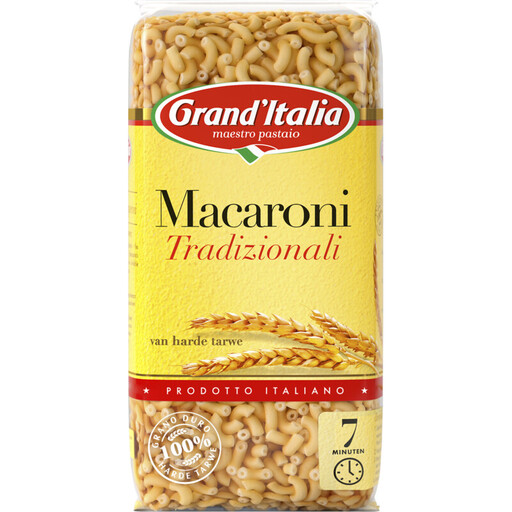
Why it suits this profile: A familiar 500-gram pack for midweek meals, oven dishes and macaroni cheese.
The product information clearly states that it contains 100% durum wheat and has a 500-gram pack size, allowing you to check the shape and composition in advance.
500 grams; 100% durum wheat; according to the product information, 357 kcal and 13 grams of protein per 100 grams.
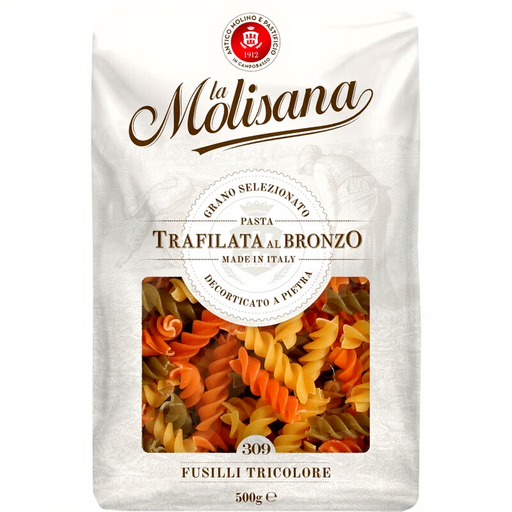
Why it suits this profile: For anyone looking for Italian pasta with an eye-catching shape to pair with sauces, vegetables and pasta salads.
The product information states the shape, pack size and ingredients; according to the description, the red and green colours come from tomato and spinach.
500 grams; 14 grams of protein per 100 grams; suitable for hot dishes and pasta salads according to the product description.
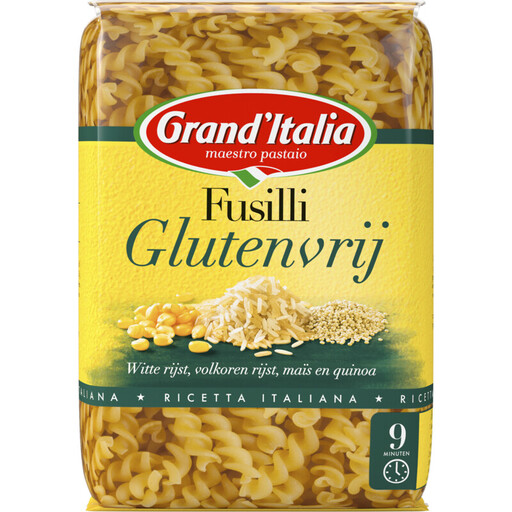
Why it suits this profile: A focused choice for shoppers looking for gluten-free pasta made with rice, maize and quinoa flour.
The product information specifies the types of flour and lists soya as an allergen. If you have an allergy or coeliac disease, always check this again on the packaging.
400 grams; made with rice, maize and quinoa; 359 kcal per 100 grams according to the product information.
We have put together a complete, up-to-date list of products that fully meet these strict selection criteria and the applicable European safety regulations.
Rigatoni has a hollow, ridged shape which, according to the product description, is suitable for substantial sauces. Fusilli and farfalle also work well with sauces containing pieces of vegetables or meat. For a smooth tomato sauce or pesto, many households choose spaghetti.
No. Check the percentage of wholegrain flour in the ingredients list. For example, Grand'Italia Spaghetti Half Whole Wheat states a split of 50% standard durum wheat semolina and 50% wholegrain durum wheat semolina. B+ Whole Grain Fusilli lists organic wholegrain durum wheat semolina as an ingredient, but always check the packaging for the latest information.
Much dried pasta is sold in 500-gram packs. This size is practical for families and kitchen cupboards. Filled pasta and speciality varieties are often sold in smaller packs, such as 220-gram tortellini or 400-gram gluten-free fusilli. So compare the net weight and price per kilogram before buying pasta.
