
Vandaag of morgen in huis

Kwaliteit gegarandeerd

Welkomstaanbiedingen ontgrendelen: GRATIS bezorging | Tot 80% korting | Gratis 30 dagen JoyPlus-proefperiode
Download de app
Pads may seem simple to choose, but the wrong type can quickly become uncomfortable. A sanitary towel isn’t automatically suitable for incontinence, and maternity pads are designed differently from night-time sanitary towels. Fit, materials and how long you wear them also matter when choosing nursing pads or facial cleansing pads.
If you’re buying pads, it’s worth looking beyond the price or a marketing claim on the packaging. Pay particular attention to what the pad is designed for, its absorbency, its dimensions and the materials that come into direct contact with your skin.
Terms such as “extra protection”, “ultra-thin” or “super absorbent” don’t tell you much without context. How well a pad works depends on the type and amount of fluid, how well it fits and how often you change it. A brand’s own research might, for example, state that a product can absorb a certain amount, but that doesn’t guarantee every user will have the same experience.
So check the specific product information:
Sanitary towels are designed for periods, while incontinence pads are made for urine. The fluids differ in composition and how they spread. A thin panty liner may be suitable for light everyday discharge, but it won’t necessarily provide enough protection for incontinence.
For light incontinence, products such as Tena Discreet, Discreet Ultra Mini or Always Discreet are designed for different needs from winged sanitary towels. Always check the product category and instructions for use.
A large pack may seem like good value, but it depends on how many pads you can use and how often you need to change them. A pack of 30, 40, 60 or 72 may be practical for everyday use. For the postnatal period or if you’re trying a product for the first time, a smaller pack may be a more sensible choice.
Also look out for individually wrapped products. They’re handy when you’re out and about, but can cost more per pad.
Choose a pad to suit the situation:
Higher absorbency doesn’t always mean greater comfort. A pad that’s too large may shift, while one that’s too small may become saturated more quickly.
Wings help keep sanitary towels in place by folding around the sides of your underwear. For night-time sanitary towels, the balance between length, width and the shape of the back is especially important. For incontinence, an anatomical shape and an absorbent zone around the centre are often more important than wings.
Nursing pads usually have an adhesive strip to attach them to your bra. Positioning them over the nipple and changing them promptly can help prevent moisture build-up. According to the product information from various brands, disposable nursing pads should be thrown away after use and not washed or reused.
Check the top layer, fragrances and any ingredients. If you have sensitive skin, fragrance-free options may be a practical choice, but “dermatologically tested” doesn’t guarantee that everyone will tolerate a product. Stop using it if irritation occurs and follow the instructions on the packaging.
For facial cleansing pads, it’s important to check the ingredients list. According to the product description, the Green Hero Calming Pad contains green tea water, panthenol and plant extracts, among other ingredients. The brand describes it as suitable for sensitive skin, but individual reactions may vary. Avoid contact with your eyes and stop using it if irritation occurs.
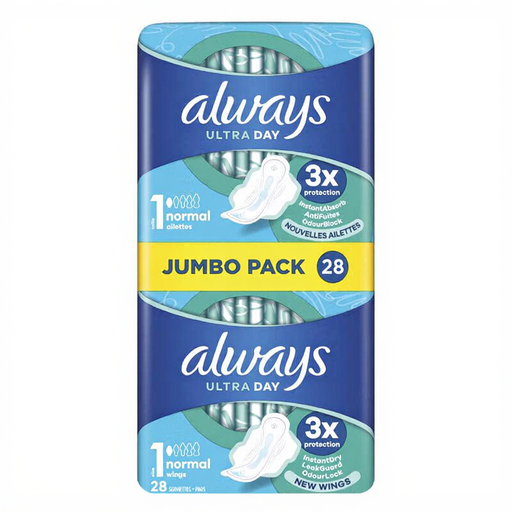
Why it suits this profile: A pack of 30 is practical for regular use. These pads are designed for periods and have wings to help secure them to your underwear.
The intended use and size are clearly stated, so you’re less likely to confuse these sanitary towels with incontinence pads or panty liners.
30 pads, wings and an absorbent core for period use; change the product according to the instructions for use.
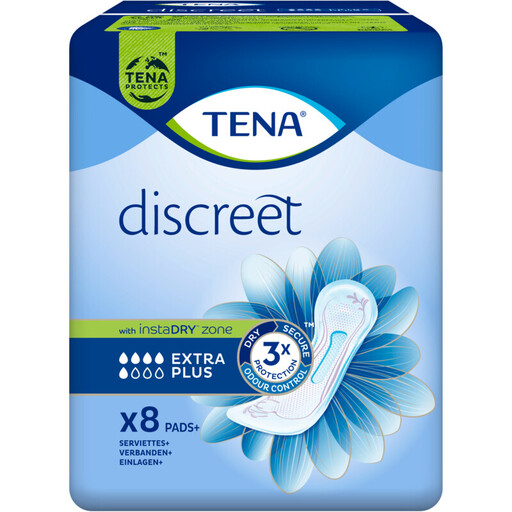
Why it suits this profile: According to the product information, these pads are designed for light incontinence and feature an anatomical shape with an Instadry zone.
Its clearly defined intended use helps you avoid using a period product for a different type of fluid or absorbency level.
12 pads, no added fragrance according to the product information, and an adhesive strip to secure the pad to your underwear.
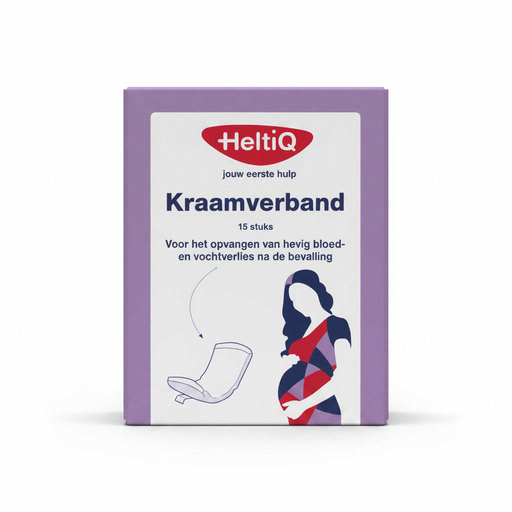
Why it suits this profile: According to the product description, these maternity pads are designed for the first few days after giving birth and heavy postnatal bleeding.
Its specific postnatal use makes clear that these aren’t regular sanitary towels or panty liners.
15 pads, absorbent material, an adhesive strip and a leak-resistant backing; change them regularly as directed on the packaging.
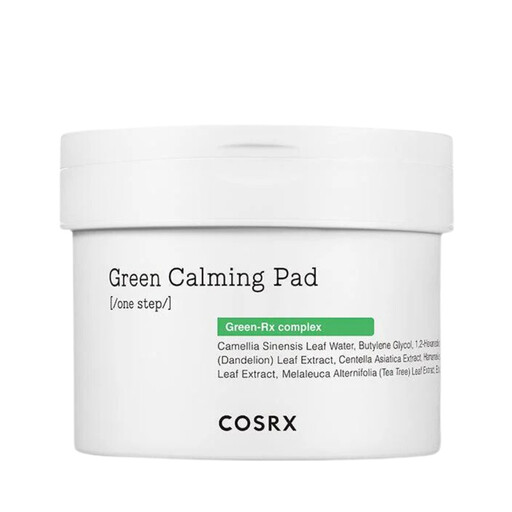
Why it suits this profile: A good option if you use facial cleansing pads and want a pre-moistened product for the toner step. The tub contains 70 pads.
It’s designed for a very different purpose from absorbent pads for periods, incontinence or breastfeeding.
70 pre-moistened pads in a resealable tub; according to the product information, they’re designed for external use.
We’ve put together a full, up-to-date list of products that meet these strict selection criteria and the applicable European safety regulations.
It depends on how heavy your period is and the type of product. Change your sanitary towel regularly and follow the instructions on the packaging. Some product descriptions recommend changing it every four to eight hours, but you may need to change it sooner if your period is heavy.
Sanitary towels are designed for periods, while incontinence pads are made for urine leakage. The absorbent core, shape and moisture management can differ. So choose according to the stated intended use and absorbency level.
Not always. Compare the price per pad, the size and whether it suits your needs. A large pack is practical if you use the product often, but a smaller pack may be a better choice if you want to try a new type first.
