
Vandaag of morgen in huis

Kwaliteit gegarandeerd

Welkomstaanbiedingen ontgrendelen: GRATIS bezorging | Tot 80% korting | Gratis 30 dagen JoyPlus-proefperiode
Download de app
Oyster sauce quickly adds a savoury umami flavour to stir-fries, noodles and marinades. Yet not every bottle is the same. The differences lie in the percentage of oyster extract, the amount of sugar and salt, the thickness, and the packaging you choose.
If you only look at a flashy label or the term “authentic oyster sauce”, you could end up buying a sauce that is too sweet, too salty, or simply unsuitable for the dish you have in mind. With these practical checks, you can make a more informed choice from Chinese oyster sauce, Asian oyster sauce and plant-based varieties.
Lee Kum Kee oyster sauce, Haday oyster sauce and Healthy Boy oyster sauce are popular choices, but even within one brand, the recipe and packaging can vary significantly. Always check the ingredients list and nutritional information. A larger bottle doesn’t automatically mean a more intense oyster flavour.
Product labels sometimes state the percentage of oyster extract. For example, Lee Kum Kee Panda Oyster Sauce 510g lists 11% oyster extract, while the 255g version lists 3% oyster extract. That’s a measurable difference that matters more than just the brand name.
A thick oyster sauce clings well to vegetables, meat or noodles. However, the texture can also come from modified starch, sugar or syrup. If you’re after a strong seafood-like flavour, it’s worth looking at the oyster extract content rather than just the thickness.
Traditional oyster sauce usually contains molluscs. Many varieties also contain wheat, gluten or soya. Always check the packaging carefully if you have an allergy or food intolerance. A vegetarian or vegan oyster sauce isn’t automatically free from soya or gluten.
For a clear oyster taste, the percentage of oyster extract is a useful factor to compare. It’s not a complete guarantee of flavour, because sugar, salt, yeast extract and flavour enhancers also affect the result. Use the stated percentages as a guide and compare products within the same category.
For a classic Chinese oyster sauce for stir-frying, a savoury flavour and good cling are practical. A sauce with a higher extract content may suit dishes where the sauce itself takes centre stage. For a marinade or stir-fry that also includes garlic, ginger and soy sauce, a milder profile can be sufficient.
Oyster sauce often contains relatively high levels of salt and sugar. The nutritional information helps you compare different varieties. In the product information provided, the salt content ranges from 6.7g per 100g for Sum & Sam Oyster Sauce to 12g for Haitian Signature Oyster Sauce.
That difference isn’t just in the nutritional values – you’ll notice it in cooking too. Add a small amount first and taste before adding extra soy sauce or salt. That way, you avoid making a stir-fry too salty.
A bottle of 175g to 350g is practical if you cook Asian food occasionally. A 590g to 815g pack is better for regular use. For a professional kitchen or heavy usage, oyster sauce in a bulk pack of 2.1kg or 2.27kg can be more efficient, provided you use it up quickly enough.
Pay attention to the storage instructions. Some products need to be refrigerated after opening, while others can be kept in a cool, dry place according to the product information. Always follow the label on your specific bottle and seal it tightly.
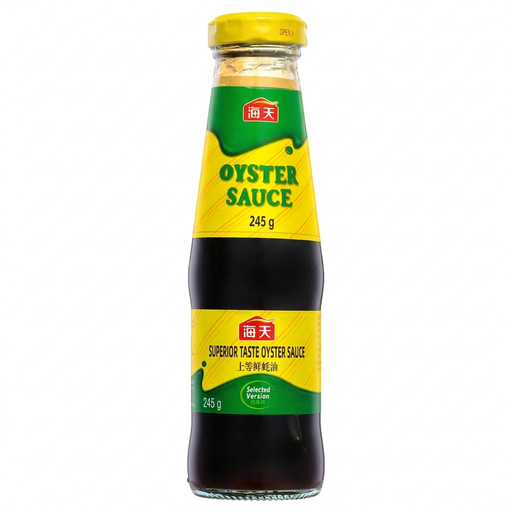
Why this fits the profile: The smaller pack is ideal for trying oyster sauce without committing to a large supply straight away.
The product information states 1% oyster extract and makes the ingredients and allergens clearly verifiable.
245g; suitable for stir-frying, marinades and use as a table condiment.
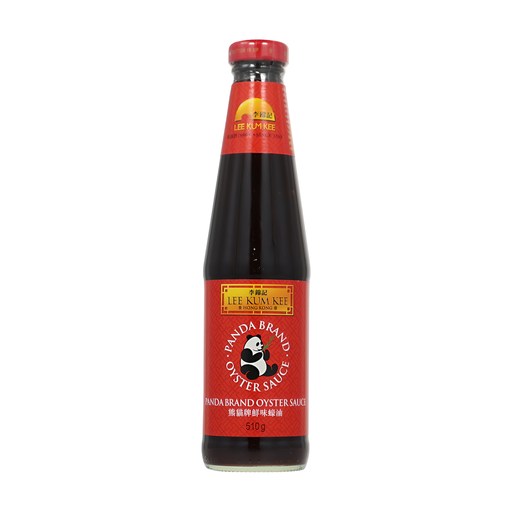
Why this fits the profile: A versatile Chinese oyster sauce for those who stir-fry regularly and want a clearly specified product.
The label specifies 11% oyster extract, so you can weigh this factor alongside sugar and salt.
510g; intended for stir-frying, marinating, dips and as a flavour base.
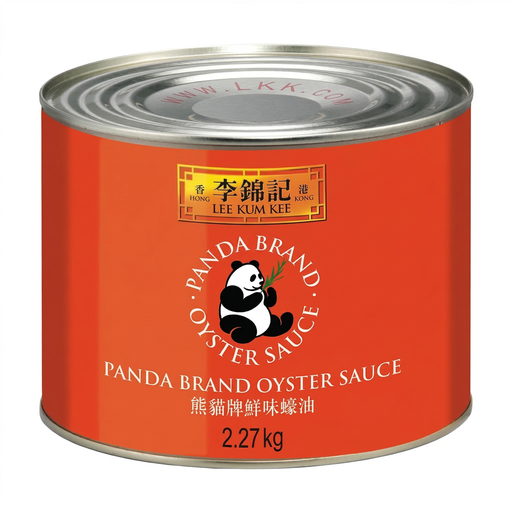
Why this fits the profile: The bulk pack suits professional kitchens, caterers and households that cook Asian dishes often.
The large pack avoids lots of individual purchases, but is only sensible if you store the sauce as per the label and use it in good time.
2.27kg; suitable for stir-frying, braising, marinades and dips.
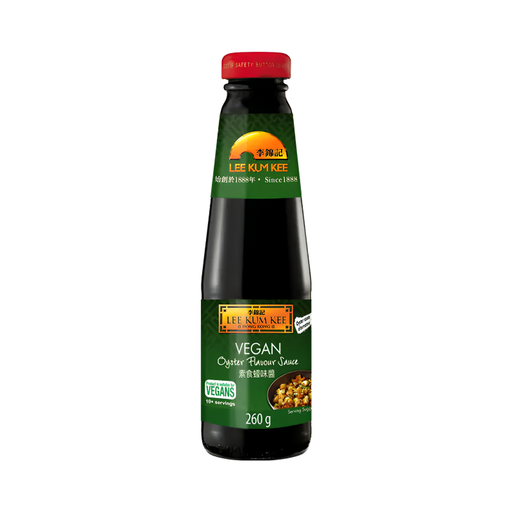
Why this fits the profile: This plant-based option is designed for those who want the savoury role of oyster sauce without using oysters.
The ingredients list soya and mushroom extract instead of oyster; always check the current packaging though.
260g; suitable for tofu, vegetables, noodles, marinades and dips.
We’ve put together a full, up-to-date list of products that fully meet these strict selection criteria and comply with current European safety regulations.
Traditional oyster sauce contains oyster extract and is therefore not vegetarian or vegan. Choose a product that clearly states “vegetarian” or “vegan” and check the ingredients. The Lee Kum Kee Vegetarian Oyster Flavour Sauce lists soya and mushroom extract and no oysters in the stated ingredients list.
Usually, add a small amount during or towards the end of cooking. For a stir-fry, you can combine oyster sauce with vegetables, tofu, chicken, meat or noodles. Taste first, because the sauce is already salty and often sweet too. For a marinade, you can mix the sauce with garlic, ginger, oil and perhaps rice vinegar.
This varies by product. Some labels advise refrigeration after opening; others say a cool, dry place. Seal the bottle tightly, use clean utensils, and follow the storage and best-before information on the packaging. This is especially important with a large bottle that you don’t finish every week.
