
Vandaag of morgen in huis

Kwaliteit gegarandeerd

Welkomstaanbiedingen ontgrendelen: GRATIS bezorging | Tot 80% korting | Gratis 30 dagen JoyPlus-proefperiode
Download de app
As a Product Recommendation Officer at Joybuy, I see daily how people get lost in the overwhelming number of options. Especially with supplements like omega-3 fish oil, the market is saturated. Packaging makes all sorts of promises, but what are you really buying? Many people unknowingly fall into a few common traps, meaning they don't get the product they're looking for. Let's break them down clearly.
Pitfall 1: Focusing on the total amount of fish oil. A 1000 mg fish oil capsule sounds impressive, but that number says nothing about the amount of active ingredients. It's not about the total volume of oil, but the amount of EPA and DHA it contains.
Pitfall 2: Taking the term "high dose" at face value. Manufacturers love to use this term, but it's not a regulated claim. In reality, a "high-dose fish oil" can mean a low dose of the essential omega-3 fatty acids, EPA and DHA. You end up paying for fillers instead of active ingredients.
You don't need to be a label expert to make a smart choice. Just pay attention to a few key numbers. These specifications determine whether an EPA and DHA supplement is right for your goals.
The two most important omega-3 fatty acids in fish oil are eicosapentaenoic acid (EPA) and docosahexaenoic acid (DHA). These are the compounds that deliver the benefits. According to the European Food Safety Authority (EFSA), these fatty acids have approved health claims:
Therefore, always check the back of the package for the amount of EPA and DHA per capsule or per daily dose. This is the only way to know if a product can truly support the claim of fish oil being good for the heart and brain.
A quick calculation helps. For example, imagine a capsule contains 1000 mg of fish oil, of which 180 mg is EPA and 120 mg is DHA. The total amount of active ingredients is 300 mg. The concentration is 30%. A product with a higher concentration delivers more EPA and DHA per capsule, meaning you may need to take fewer to achieve the same effect. Products claiming a high dose of fish oil should have a concentration of 50% or more.
Fish oil is susceptible to oxidation (going rancid). Adding an antioxidant like vitamin E helps stabilise the oil and simultaneously protects your body's cells. Many high-quality omega-3 capsules therefore contain vitamin E. Look for this when comparing products.
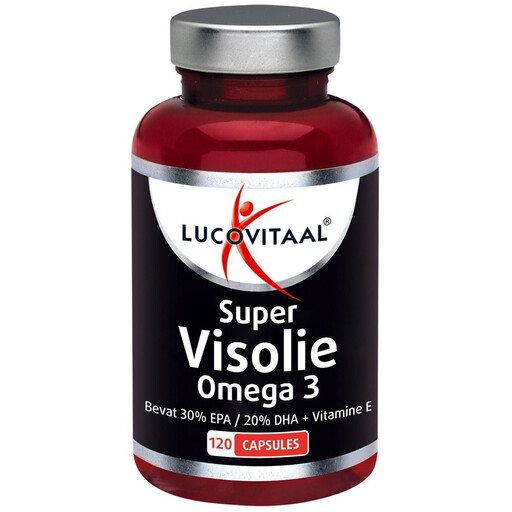
Why This Fits Their Persona: A balanced, high dose of EPA and DHA that provides an excellent foundation for supporting heart and brain health. Ideal for anyone looking for a reliable and effective supplement to complement their daily diet.
Delivers a clear, high dose of 600 mg EPA and 400 mg DHA per daily dose (2 capsules). You know exactly what you're getting, well above the minimum recommended amount.
Also contains evening primrose oil (omega-6) and vitamin E to stabilise the oil and protect cells. A complete formula.
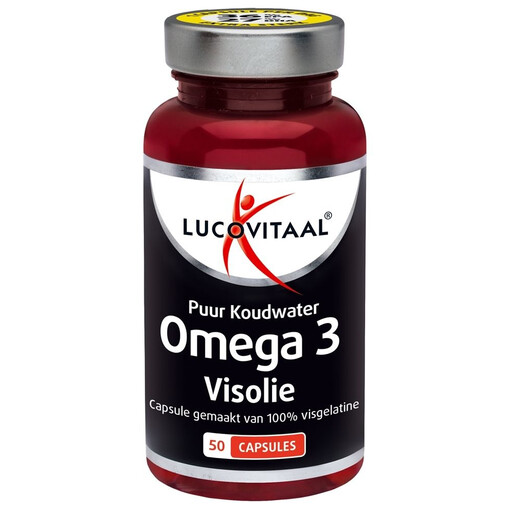
Why This Fits Their Persona: Ideal for those who eat little to no oily fish and are looking for a potent, concentrated dose of EPA and DHA in a single daily capsule for maximum convenience and effectiveness.
The focus here is purely on the active ingredients. A single 1400 mg capsule already provides 504 mg of EPA and 378 mg of DHA. That's a concentration of over 60%, which truly lives up to the term "high dose".
Only one capsule per day is needed for a very high dose. The capsule is made from fish gelatin, which is a plus for some.
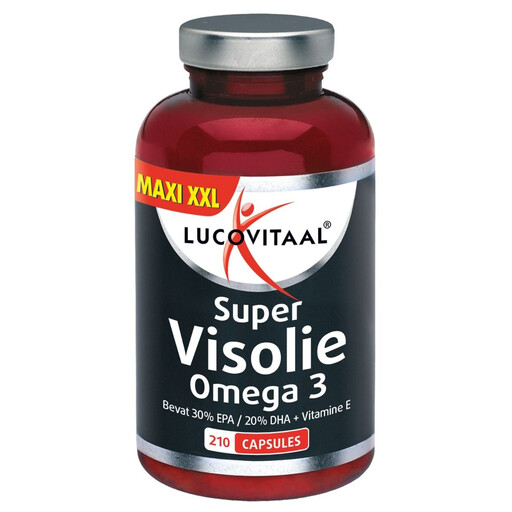
Why This Fits Their Persona: Perfect for the loyal user who knows what they want and benefits from a value-sized bulk package. You don't have to reorder every month and are set for a longer period.
Offers the same reliable, high dose of EPA and DHA as the standard package, but in a value size. You know exactly what you're getting, for a longer period.
XXL package with 210 capsules. At a dose of 2 per day, this is enough for 105 days. This provides convenience and a more favourable price per capsule.
We have compiled a complete, up-to-date list of products that fully meet these strict selection criteria.
The main difference is the source. Fish oil, as the name suggests, is extracted from oily fish. Algae oil is extracted from microalgae. Fish get their omega-3s by eating algae. Therefore, algae oil is the original source and an excellent alternative for vegetarians and vegans. It is often rich in DHA. An example of this is the Lucovitaal Omega 3 Fatty Acids based on algae oil.
This depends on the product. Always read the storage advice on the packaging. Many manufacturers, including Lucovitaal fish oil, state that the capsules are stable at room temperature, but that storing them in the refrigerator is preferred to guarantee freshness, especially after opening. This helps prevent oxidation.
You can't recognise a good capsule by its appearance, but by its label. Check the following points:
By paying attention to these objective characteristics, you can make an informed choice and invest in a supplement that meets your needs.
