
Vandaag of morgen in huis

Kwaliteit gegarandeerd

Welkomstaanbiedingen ontgrendelen: GRATIS bezorging | Tot 80% korting | Gratis 30 dagen JoyPlus-proefperiode
Download de app
Anyone looking to buy olives online will quickly notice the sheer range of options: green olives, black olives, Kalamata olives, stuffed olives and pitted olives. Yet a pretty packet doesn't tell you whether a product is right for your needs. For a tapas board you'll need different olives than you would for pizza, pasta or a salad.
With this practical guide, you can focus on the contents, flavour, packaging and ease of use. That way, you'll avoid paying over the odds for brine, picking the wrong variety, or being left with a jar of unused olives.
A jar might weigh, say, 340 grams, while the drained weight is just 170 grams. The difference is largely made up of water, brine or marinade. So don't just compare the weight on the front – always check the drained weight. That's the amount of olives you'll actually use.
Green olives aren't automatically mild, and black olives aren't always intense. The flavour also depends on the variety, origin, ripeness and marinade. Spanish Manzanilla olives are often described as mild, whereas Hojiblanca olives can have a firmer taste according to product information. Kalamata olives typically have a pronounced, fruity profile.
Pitted olives are handy for pizza, pasta and salads. However, with stuffed olives, the product information may state that traces of pits could be present. Always check the label, especially if you're serving the olives to children or plan to use them straight away without chopping.
Olives in jars or tins are usually preserved in water with salt, acidity regulators or a marinade. Check the nutritional information when comparing different products. The salt content can vary from one variety to another. For example, Carbonell Green Olives Stuffed With Peppers lists 4g of salt per 100g, while other products in the supplied product information mention lower values.
Marinated varieties often include extra ingredients such as garlic, oregano, vinegar or herbs. This can be convenient for serving straight away, but less suitable when you want to control the flavour of a salad or sauce yourself.
If you're specifically looking for Spanish olives, Turkish olives or other Mediterranean olives, it's worth reading the product information rather than just relying on the front of the packet. Look for:
According to the product information, several Carbonell varieties come from Spain. The SUNTAT and Sera products in this selection are Turkish varieties. Amogusti Olives Stuffed With Anchovies lists fish as an allergen. Always check the current label before purchasing and using, as packaging and composition can change.
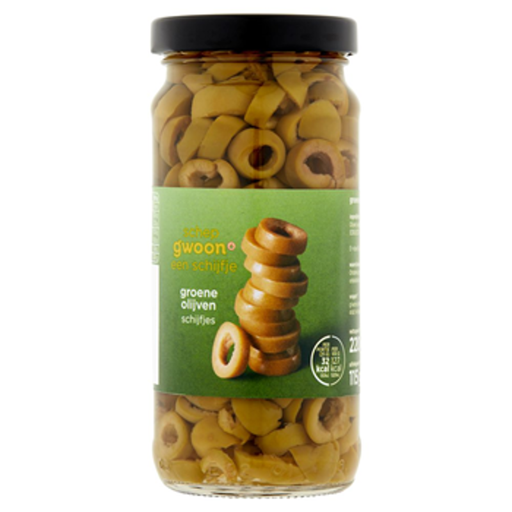
Why this fits the profile: The pre-sliced green Manzanilla olives are practical for everyday use in salads, on pizza or in a pasta dish.
The packaging states a weight of 220 grams and the olives are already sliced. This means you don't have to pay extra for preparation time.
3mm sliced, pitted and comes with a resealable packaging according to the product information.
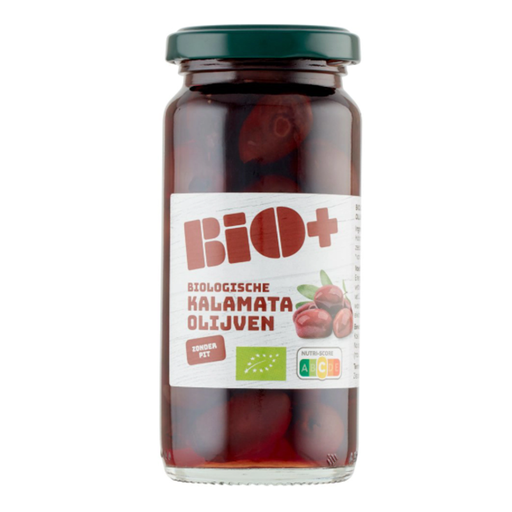
Why this fits the profile: This Greek Kalamata variety is ideal for those who love a recognisable, fruity olive flavour in salads, on a sharing board or with hot dishes.
The product information states the origin from the Kalamata region and confirms the olives are pitted. Check the current packaging for the exact composition.
230g packaging, pitted and suitable for salads, cooking and charcuterie boards.
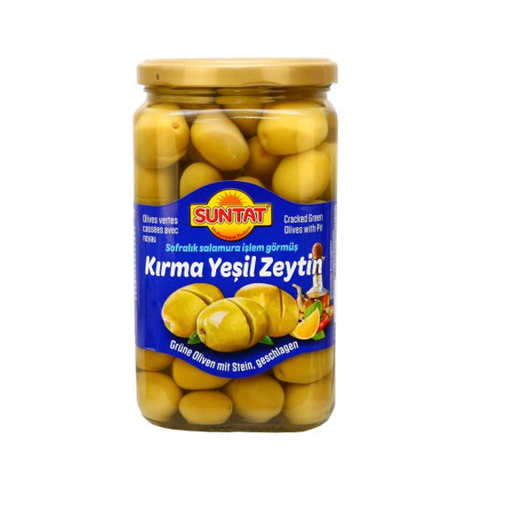
Why this fits the profile: The larger size is practical for households that regularly serve Turkish olives at breakfast, mezze, salads or Mediterranean dishes.
A generous pack prevents you from paying for multiple small jars when you use olives often. Do check the drained weight though.
850ml packaging and a Turkish green olive variety for frequent use.
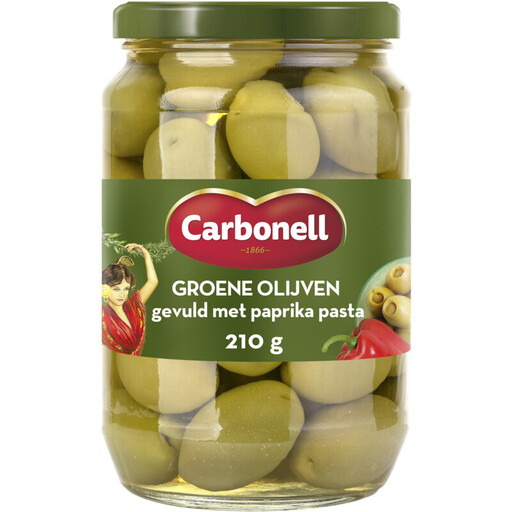
Why this fits the profile: Stuffed green olives instantly add variety to a tapas board without you having to add a filling yourself.
The product information lists both the total weight and a drained weight of 210 grams. This helps you better estimate the amount of usable olives.
Manzanilla olives with pepper filling, 370ml packaging and suitable for serving straight away.
We've put together a full, up-to-date list of products that fully meet these strict selection criteria and comply with current European safety regulations.
Store an opened jar according to the label. In most cases, this means: seal tightly and keep refrigerated. Use a clean spoon to limit cross-contamination and pay attention to the stated period after opening. Throw the olives away if the packaging is bulging, damaged, or if the smell, colour or texture is clearly off.
Sliced olives are practical because you can scatter them straight over pizza or stir them through pasta. Black olives add a distinct colour, while green olives can be a milder option. Always check that the olives are pitted.
The difference mainly lies in the variety, ripeness and processing. Green olives are generally harvested earlier; black olives are harvested later or processed differently. The final flavour and texture vary from product to product, so also look at the origin, brine and ingredients.
Most pitted varieties are intended for eating straight away, but with some stuffed products the label may state that traces of pits could be present. So read the current packaging before using the olives.
