
Vandaag of morgen in huis

Kwaliteit gegarandeerd

Welkomstaanbiedingen ontgrendelen: GRATIS bezorging | Tot 80% korting | Gratis 30 dagen JoyPlus-proefperiode
Download de app
A good bottle of oil and a flavourful vinegar are the backbone of many dishes. Yet, the supermarket aisle can often be overwhelming. With terms like 'extra virgin', 'cold-pressed', and dozens of types of vinegar, it's easy to grab the wrong bottle. Before you know it, you're using an expensive olive oil for frying or dressing a salad with a vinegar that's actually meant for cleaning.
As a Joybuy Product Recommendation Officer, I'll help you see past the marketing claims. We'll look at what really matters, so you can make a choice that suits your kitchen and your budget. Let's examine the most common pitfalls.
To avoid a bad buy, it's helpful to pay attention to a few specific details. These determine what you can use the product for and whether you're getting value for your money.
Not every oil is suitable for every task. The main distinction lies in the production process, which affects its heat resistance and flavour.
Vinegar is a flavouring agent that can make or break a dish. Its base (wine, apple, etc.) determines the taste.
Based on these criteria, we have selected a number of products that suit different types of home cooks.
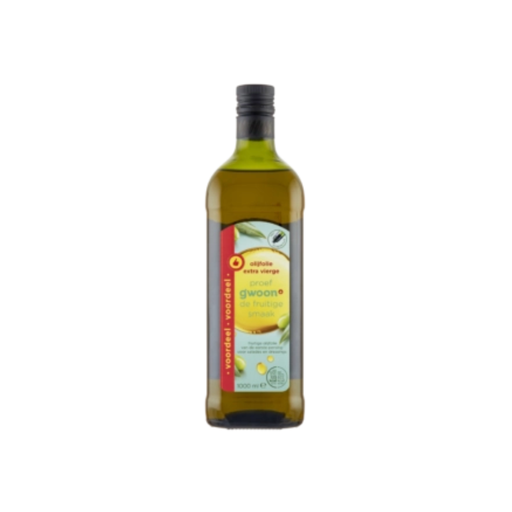
Why This Fits Their Persona: This large 1-litre bottle is ideal for families and anyone who uses olive oil daily. It offers extra virgin quality at an accessible price, making it perfect for everyday salads, dressings, and finishing dishes.
You get the benefits of extra virgin olive oil without paying a premium. This means you don't have to skimp on quality for your daily meals.
Excellent value for money. The large 1-litre volume makes it an economical choice for frequent users.
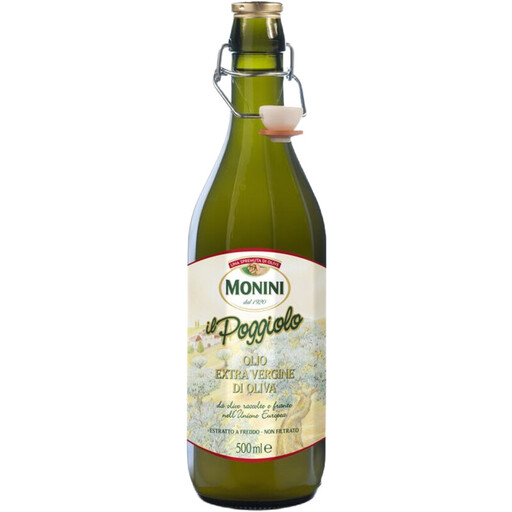
Why This Fits Their Persona: For the cook seeking a distinctive flavour. According to the manufacturer, this unfiltered oil has an aroma of freshly cut grass and a slightly peppery aftertaste. Perfect for elevating a simple bruschetta, salad, or fish dish.
This is a deliberate choice for a specific flavour profile. You buy this product for its unique character and use it where it can truly shine: in cold applications.
100% unfiltered for a full, authentic olive flavour. The natural cloudiness indicates minimal processing.
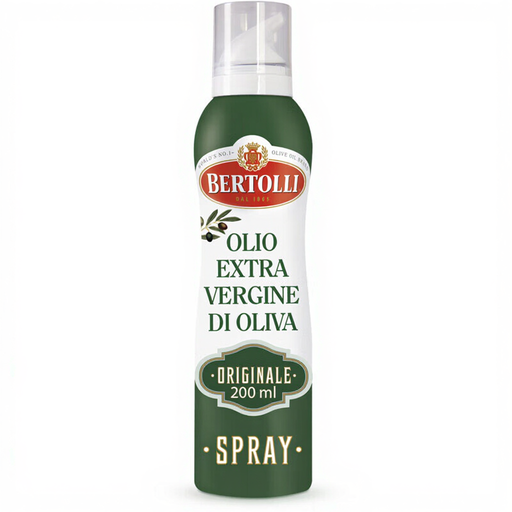
Why This Fits Their Persona: For those who value convenience and control. This spray is ideal for quickly and evenly greasing an oven dish, lightly coating vegetables for the grill, or portioning a small amount of oil over a salad.
Prevents the "oops, too much" moment. The spray function ensures you never accidentally use too much oil, which cuts down on both waste and unnecessary calories.
Very easy to portion for an even, thin layer. Convenient for calorie-conscious cooking and prevents messes.
We've compiled a complete, up-to-date list of products that fully meet these strict selection criteria.
Extra virgin olive oil is obtained from the first, cold pressing of olives and is unrefined. This results in low acidity and a pronounced, fruity flavour. It is best suited for cold applications. Regular olive oil is typically a blend of refined (heated and filtered) olive oil and a small percentage of virgin olive oil. This oil is more neutral in taste and more resistant to heat, making it better for baking and cooking.
For high-temperature baking and frying, it's best to use an oil with a high smoke point. Sunflower oil, peanut oil, and refined olive oil are good choices for this. Extra virgin olive oil has a lower smoke point and can burn if overheated, which creates an unpleasant, bitter taste and can release undesirable substances.
Olive oil is sensitive to light, air, and heat. Therefore, store the bottle in a cool, dark place, such as a kitchen cupboard and not right next to the stove. Make sure the cap is always tightly closed. Vinegar has a naturally long shelf life due to its acidity. However, it is also best stored in a cool, dark place to preserve its flavour optimally.
