
Vandaag of morgen in huis

Kwaliteit gegarandeerd

Welkomstaanbiedingen ontgrendelen: GRATIS bezorging | Tot 80% korting | Gratis 30 dagen JoyPlus-proefperiode
Download de app
Oatmeal has become a staple in many kitchens. It's a simple foundation for a nutritious breakfast. But when you look in the supermarket or online, the selection is overwhelming. The packaging promises a healthy start, but the reality is often different. Before you buy a box of oatmeal, it's important to know what to look for to ensure you're paying for quality, not just marketing.
Here are a few common pitfalls:
instant oatmeal products, like cinnamon or honey, contain a significant amount of added sugar. A product marketed as healthy can secretly increase your sugar intake.You don't need to be a nutritionist to make a good choice. By paying attention to a few objective specifications, you can cut through the marketing and find the oatmeal that's right for you.
The texture and preparation time of your oatmeal porridge are determined by how the oat groat is processed. There are roughly three types:
oatmeal breakfast. Brands like Quaker and Brinta often use this type of flake.The purest oatmeal has just one ingredient: 100% whole-grain oats (oatmeal). Every addition deserves your attention.
Organic oatmeal guarantees that no chemical pesticides were used in its cultivation.Always compare products based on nutritional values per 100 grams, not per serving. A "serving" is a subjective concept that varies by brand. Pay special attention to:
High-protein oatmeal varieties are often fortified with ingredients like soy protein and can exceed 20 grams.Based on these criteria, we've selected a few products that suit different needs and lifestyles.

Why This Fits Their Persona: For those with little time in the morning, these single-serving packets are a perfect solution. You can have a warm bowl of oatmeal in under 2 minutes, without having to measure portions.
This is the plain variety, which avoids the sugar trap. With only 1 gram of sugar per 100 grams (naturally occurring), you have full control over what you add, like fresh fruit or nuts.
100% whole-grain and high in fiber. The single-serving packaging provides convenience and speed without compromising on the pure, simple base.
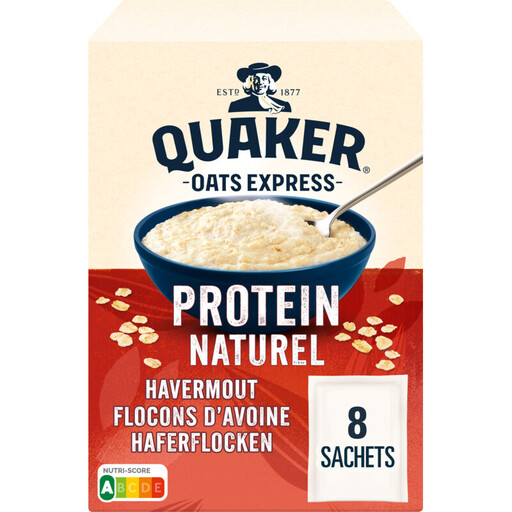
Why This Fits Their Persona: Athletes need a high-protein breakfast for muscle recovery and a long-lasting feeling of fullness. This variety is specifically designed to meet that need.
This `high-protein oatmeal` contains no added sugars. The protein comes from soy, which is clearly stated on the ingredient list. Transparent and functional.
With 22 grams of protein per 100 grams, this product delivers significantly more protein than standard oatmeal. Ready in 2 minutes, making it practical for an early workout.

Why This Fits Their Persona: For those who want to build their breakfast from scratch with pure ingredients. This oatmeal is a blank canvas for traditional `oatmeal porridge`, overnight oats, or homemade granola.
This product is the definition of pure: it sidesteps all the pitfalls of added sugars and unnecessary additives. The ingredient list is as short as it gets: 100% organic whole-grain oat flakes.
100% organic and whole-grain. The fine flakes create a soft yet nutritious porridge. A reliable, no-nonsense choice.

Why This Fits Their Persona: In a dorm room or small studio, space is limited. This isn't oatmeal, but a multifunctional electric pot that's perfect for preparing oatmeal, as well as soup, noodles, or an egg.
This appliance tackles a different problem: the lack of cookware. It makes it easy to prepare a healthy meal like oatmeal without needing a full stove.
Compact, versatile, and with a non-stick coating for easy cleanup. The adjustable power settings give you control over the cooking process, from a gentle simmer to a full boil.
We've compiled a complete, up-to-date list of products that meet these objective selection criteria.
1. Is oatmeal naturally gluten-free? Yes, the oat groat itself does not contain gluten. The problem is cross-contamination: many oats are processed in facilities that also handle wheat, barley, and rye. Traces of gluten can thus end up in the oatmeal. For most people, this isn't an issue, but if you have celiac disease or a strong gluten sensitivity, it's essential to choose a product with an official "gluten-free" certification, like the gluten-free oatmeal from Leev.
2. What is the difference between oatmeal and oat flakes? Colloquially, the terms are often used interchangeably. Technically, "oatmeal" refers to the cut and/or flattened oat groat. "Oat flakes" is a broader term that can refer to both fine and coarse flakes. The most important distinction for the consumer is the thickness of the flake, which determines the cooking time and texture.
3. How can I make my oatmeal breakfast higher in protein? An easy way is to start with a high-protein oatmeal. You can also add protein yourself. Think of a scoop of Greek yogurt or quark, a handful of nuts and seeds (like the mixes from G'woon), a spoonful of nut butter, or even a scoop of protein powder. This will turn your breakfast into an even more complete meal.
