
Vandaag of morgen in huis

Kwaliteit gegarandeerd

Welkomstaanbiedingen ontgrendelen: GRATIS bezorging | Tot 80% korting | Gratis 30 dagen JoyPlus-proefperiode
Download de app
A bowl of porridge is quick to prepare, easy to adapt and suitable for different mealtimes. Yet oat flakes, instant porridge, granola and breakfast cereals vary widely in their composition, preparation and allergen information. If you only look at the front of the packet, you could end up buying a product that doesn't suit your daily routine.
As a Joybuy Product Recommendation Officer, I filter product information based on verifiable points. Below, you'll find out what to look for when buying oatmeal, which pitfalls are common and which products suit different user profiles.
Oats are often marketed as gluten-free, but product information can be contradictory. For example, Leev Dutch Oatmeal is described as organic, wholegrain and gluten-free porridge, while the same product information states that it contains gluten. Other oat products may also list gluten-containing grains on the label or mention traces of wheat and barley.
If you have coeliac disease or a gluten allergy, don't choose based solely on the product title. Always check the current packaging, the allergen declaration and any official certification. Due to the allergen information, this product selection is not automatically suitable for people with a gluten allergy or coeliac disease.
Plain porridge typically contains little sugar per 100g, but granola and flavoured oat products can include added syrups, dried fruit or sweeteners. So look at:
What's more, "no added sugars" doesn't automatically mean a product is low in calories. According to the product information, Holie's Granola Glutenfree Peanut Chocolate contains no added sugar, but it does have 22g of fat and 438 kcal per 100g. That makes it more of a crunchy topping or a compact breakfast option, not the same as plain porridge.
Instant porridge is handy when you're short on time. You usually just need to add hot water. Fine flakes or powders can soften more quickly than coarse oat flakes. On the flip side, composite instant products sometimes contain milk powder, sugar, creamer, salt or other grains.
If you want to control the flavour and portion yourself, choose a simple product with oats as the main ingredient. Individual sachets are practical for on the go, but check how much oat content they actually contain.
Check whether the product contains:
According to the product information, Brinta Oatmeal lists 100% oat flakes. Leev Dutch Oatmeal lists wholegrain porridge as the only ingredient and provides 10g of fibre and 14g of protein per 100g. With composite products, such as Huiji 7 Black Series Oat Flakes, the mix contains at least 68% organic naked oats alongside black rice, black wheat, chia seeds and black sesame.
A longer ingredients list isn't automatically a problem, but it does require you to check for allergens, sugar, salt and portion size.
Always compare products per 100g. This stops a small portion size on the packaging from giving a more favourable impression than the full nutritional value.
Pay particular attention to:
These values are not personal dietary advice. Combine your breakfast with yoghurt, milk, fruit or nuts according to your own preference and eating pattern.
For a consistent morning routine, the method of preparation is at least as important as the nutritional value. Coarse oat flakes generally require more cooking time. Fine flakes are quicker to prepare. Sachets of 30g or 35g are convenient for work, school or travel, but give you less freedom with portion sizes.
Store opened porridge and granola in a dry, cool place in an airtight container. Check the best-before date on the packaging. With granola, a well-sealed container is especially important to keep the crunchy texture.
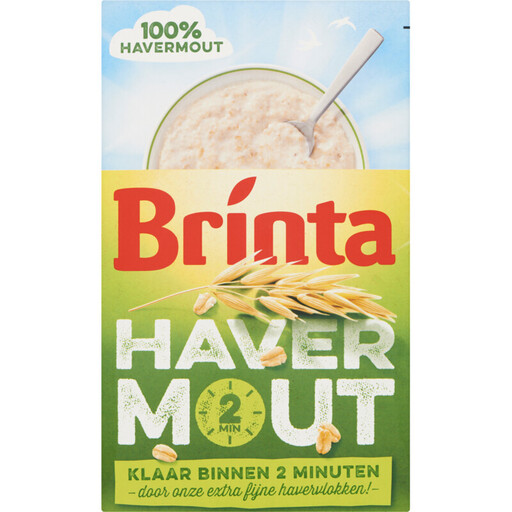
Why this suits the profile: A straightforward choice for anyone wanting to start with a recognisable basic product. According to the product description, the fine flakes can be prepared quickly with water or milk.
The ingredients list states 100% oat flakes. However, do check the packaging again if you need to avoid gluten.
9.7g of fibre and 13g of protein per 100g according to the product information; approximately 11 portions per pack.
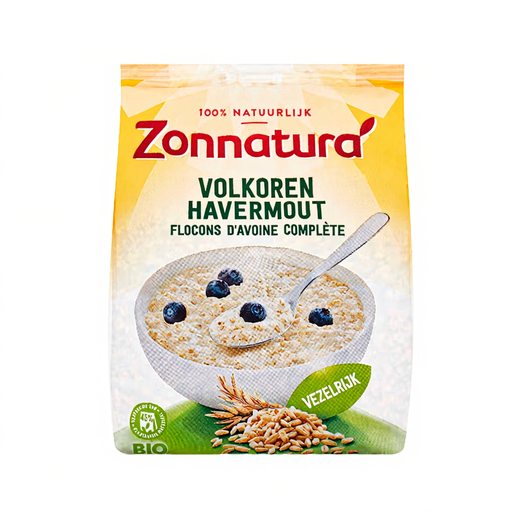
Why this suits the profile: Ideal for anyone looking for organic porridge and a wholegrain base without an elaborate flavour mix.
The product information lists organic wholegrain oat flakes. The packaging also mentions gluten and possible traces of milk, nuts, sesame and soya.
11g of fibre per 100g and an organic certification reference in the product information.

Why this suits the profile: A composite oat flake mix for anyone seeking variety and wanting to prepare breakfast directly with milk, yoghurt or hot water.
The composition states the percentages of the main grains and seeds. The product does mention oats and black wheat containing gluten.
12.8g of protein and 348 kcal per 100g according to the product information; can be prepared with hot water in 2 to 3 minutes.
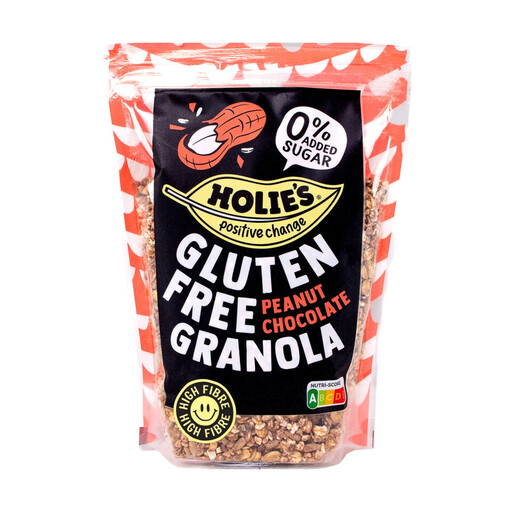
Why this suits the profile: Ideal for anyone wanting to alternate porridge with granola and who values a crunchy texture with peanut and cocoa.
The ingredients list states 44% gluten-free wholegrain oat flakes and clearly mentions peanut and possible traces of other nuts and soya.
14g of fibre and 15g of protein per 100g according to the product information; suitable as a topping or cold breakfast.
We've put together a full, up-to-date list of products that fully meet these strict selection criteria and comply with current European safety regulations.
That depends on your overall eating pattern, portion size and the variety you choose. Plain porridge with milk, yoghurt or fruit has a different composition to granola with nuts, chocolate or syrup. So compare the ingredients and nutritional value per 100g.
Oatmeal consists of processed oat grains that are usually ground more finely. Oat flakes can be coarser and therefore require more preparation time. The exact texture varies by brand. Check the packaging to see whether the product can be prepared directly with hot water or needs to be cooked first.
The exact shelf life is stated on the packaging. Store porridge, oat flakes and granola in a dry, cool place in an airtight container. After opening, check the smell, taste and texture. Do not use the product if the packaging is damaged or if the product is damp or smells unusual.
