
Vandaag of morgen in huis

Kwaliteit gegarandeerd

Welkomstaanbiedingen ontgrendelen: GRATIS bezorging | Tot 80% korting | Gratis 30 dagen JoyPlus-proefperiode
Download de app
Oatmeal is popular in the UK because you can quickly make a warm porridge, cold overnight oats, or a breakfast with yoghurt and fruit. Yet not every packet is the same. The differences aren’t just about flavour, but also the degree of processing, portion size, ingredients and allergens.
If you only rely on words like “natural”, “high in fibre” or “instant”, you could end up buying a product that doesn’t quite suit your daily needs. With this practical checklist, you can compare oatmeal, oat flakes and other healthy breakfast cereals based on verifiable information.
Instant oatmeal is more finely ground or pre-processed, so it dissolves or cooks more quickly. That’s handy on busy mornings, but always check the ingredients list. Some instant breakfast products contain not only grains but also sugar, milk powder, flavourings or maltodextrin.
A product with just oats, such as Quaker Express Oatmeal according to the product information, has a different composition to a flavoured variant. Quaker Cinnamon Oatmeal, for example, contains sugar and natural flavourings in addition to wholegrain oats. So compare not just the cooking time, but also the sugar content per 100g.
Packaging often features terms like “source of fibre”, “wholegrain” and “with vitamins”. These aren’t reasons to automatically assume a product is right for your diet. Look at the nutrition table and ingredients list instead.
The stated nutritional values vary from product to product. Brinta Oatmeal, for instance, lists 9.7g of dietary fibre and 13g of protein per 100g. Zonnatura Organic Whole Wheat Oatmeal lists 11g of fibre per 100g. Figures like these make comparisons easier, but they don’t on their own tell you which product is right for everyone.
Claims about, say, beta-glucans should be read as the brand’s product information. According to the product information from Quaker, the Express and Cinnamon variants contain 3.6g and 3g of beta-glucans per 100g respectively. The effect the brand links to this should not be taken as personal medical advice.
Oats can be part of a gluten-free diet, but the origin, processing and risk of cross-contamination are important. Always check the label and allergen information. In the product information provided for Leev Dutch Oatmeal, it says “gluten-free organic oatmeal”, yet gluten is listed as an allergen. That’s a clear reason to check the current packaging and certification before you buy the product.
Even standard Brinta Oatmeal lists gluten-containing grains as an allergen. So if you have an allergy or a medical need, a marketing term alone is not enough.
Use the table per 100g as a fixed point of comparison. This stops different portion sizes from giving you a distorted picture. Pay attention to:
Pure or nearly pure oat flakes usually have a short ingredients list. According to the product description, Brinta Oatmeal is made from 100% oat flakes. Zonnatura lists organic wholegrain oat flakes as the main ingredient. Blended instant drinks and cereal-milk products can also contain sugar, creamer, milk powder or other grains.
Wholegrain oatmeal and oat flakes are suitable if you want to combine the grain base yourself with milk, yoghurt, quark, fruit or nuts. Fine flakes cook more quickly than coarse flakes. According to the product information, Brinta Oatmeal uses extra-fine oat flakes and can therefore be prepared in just a few minutes.
With products like Brinta Whole Wheat Cereal, note the difference between oats and wheat. According to the label, this variant is made from 100% wholegrain wheat, so it is not oatmeal. It can still fit within the broader category of healthy breakfast cereals.
A large pack is often practical for daily use at home. Portion packs are more convenient for the office, travel, or a household where everyone eats breakfast at a different time. Quaker Express Oatmeal contains 12 portion packs and, according to the product information, is ready in about two minutes in the microwave or a pan.
Brinta Wake Up Natural comes in 115g sachets and, according to the product description, can be prepared with hot or cold water in one minute. Do note the composition: this is a breakfast drink with various grains, fibre, vitamins and iron, not the same as a bag of pure oatmeal.
The recommendations below are based on the stated ingredients, nutritional values, pack size and preparation method. Always check the current product page and packaging before you buy.
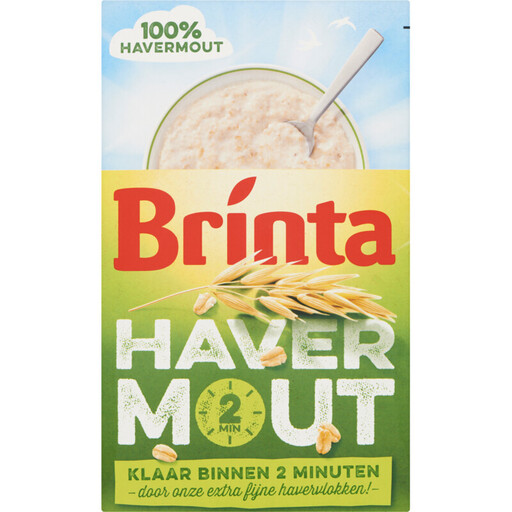
Why this fits the profile: A straightforward choice if you’re new to oatmeal porridge and want to add your own milk, water or fruit.
The ingredients list states only 100% oat flakes; according to the product information, there are no added colourings or flavourings.
9.7g fibre and 13g protein per 100g; extra-fine flakes and approximately 11 servings per pack.
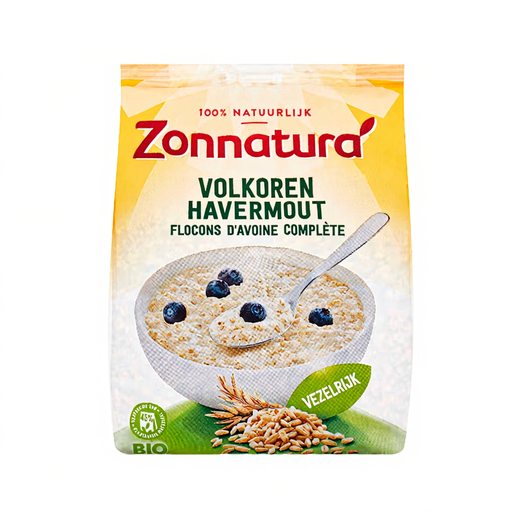
Why this fits the profile: Ideal if you’re after organic oatmeal with a short ingredients list for everyday use.
The product information lists organic wholegrain oat flakes and an EU organic certification mark; check the current packaging for details.
11g fibre per 100g, 500g net weight and stated values for magnesium and phosphorus.
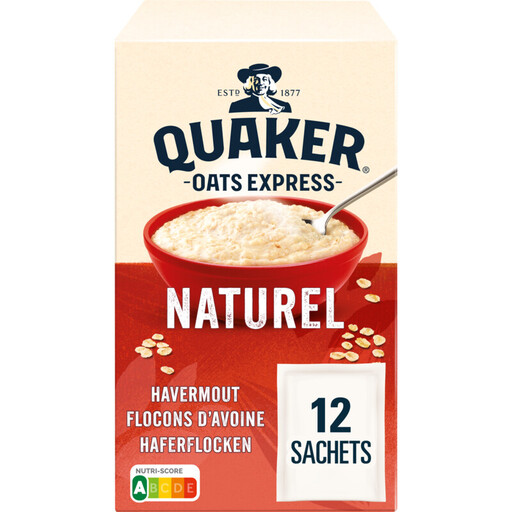
Why this fits the profile: Convenient for workdays, gym bags or households where portions need to be made quickly and consistently.
The 12 individual portions make the quantity clear and limit exposure to moisture after opening a large pack.
100% wholegrain according to the product information, 9g fibre per 100g and preparation in around two minutes.
We’ve put together a full, up-to-date list of products that fully meet these strict selection criteria and comply with current European safety regulations.
Store an opened pack of oatmeal in a cool, dry place, away from moisture and direct sunlight. Seal the pack tightly to maintain quality. Always check the best-before date on the packaging for each product.
For a simple oatmeal porridge, you can choose between water, milk or a plant-based drink. Add fruit, yoghurt, quark, nuts or seeds to taste. With instant oatmeal, it’s important to use the stated amount of liquid; too little water can give a thick texture, while too much liquid will dilute the flavour.
That depends on your overall diet, portion size and chosen toppings. Pure oatmeal typically contains few ingredients, whereas flavoured variants may have added sugar or flavourings. So compare the ingredients and nutritional values per 100g.
Oatmeal is made from processed oat kernels that are usually ground finer. Oat flakes are recognisable flattened oat kernels. The exact cooking time varies by product. Fine flakes are often ready more quickly than coarse flakes, but always follow the instructions on the pack.
The shelf life is stated on the pack and applies under the specified storage conditions. Seal an opened bag tightly and store it in a dry place. Discard the product if you notice an unusual smell, moisture or visible contamination.
