
Vandaag of morgen in huis

Kwaliteit gegarandeerd

Welkomstaanbiedingen ontgrendelen: GRATIS bezorging | Tot 80% korting | Gratis 30 dagen JoyPlus-proefperiode
Download de app
Buying nuts sounds simple until you are faced with a shelf or online range of unsalted nuts, roasted nuts, salted varieties, sugar coatings and large value packs. A low price per kilo is not always good value if you buy a product you do not enjoy, that quickly turns rancid or that is not suitable for how you intend to use it.
As a Joybuy Product Recommendation Officer, I therefore focus primarily on verifiable information: ingredients, nutritional values, packaging, allergens and net quantity. This makes it easier to compare peanuts, pistachios, cashews, almonds, walnuts and other nuts in a practical way.
Words such as “natural”, “lightly salted” or “healthy snack” mean little without the ingredients list. A product may consist mainly of peanuts, for example, but may also contain oil, salt, sugar or a flavour coating.
A clear example is g'woon Sugar Peanuts - 250g. According to the product information, this product contains 59% peanuts and 33% sugar, as well as sunflower oil, glucose syrup, honey and other ingredients. Per 100 grams, the label states that it contains 38 grams of sugars. This makes the variant more suitable for people who enjoy a sweet snack than for someone looking exclusively for plain nuts.
A 500-gram or 1 kg bag can be good value when you regularly use nuts for baking, cooking or a large household. For occasional snacking, a smaller pack may be more practical. Once opened, the risk of moisture, loss of flavour and oxidation increases if the bag is not sealed properly.
Therefore, check:
Roasted nuts often have a more intense flavour and a crunchier texture. Salted nuts are ideal for drinks and social occasions, but contain more salt than unsalted varieties. Seasoned snack nuts may also contain sugar, starch, oil and flavourings.
So do not compare products based solely on the type of nut. Also consider the preparation method and ingredients.
For plain almonds, walnuts, pecans or macadamia nuts, the ingredients list may contain just one ingredient: the nut in question. Nut mixes and snack nuts often have a more extensive list of ingredients.
Always check:
If you have allergies, the current packaging is the definitive source of information. Product information may change, and some descriptions may not exactly match the label.
If you want a neutral base for cooking, baking or a lunchbox, choose unsalted nuts with a short ingredients list more often. For eating straight from the pack, salted nuts or roasted varieties may be more appealing.
Check the nutritional information per 100 grams. This allows you to compare products fairly, even when one pack contains 200 grams and another contains 500 grams.
The right choice depends on how you plan to use the nuts:
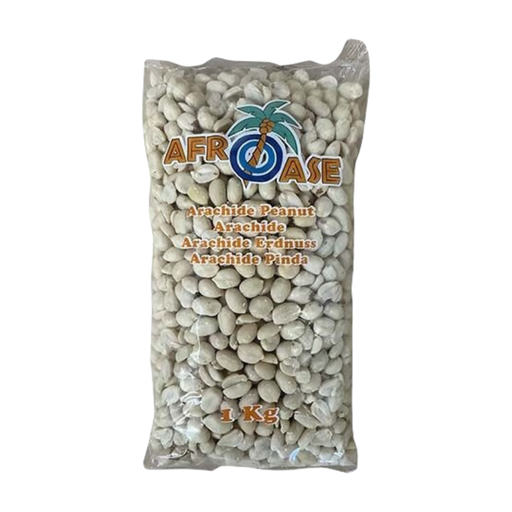
Why it suits this profile: A large pack is ideal for regular snacking, baking or making your own nut mix. The product information lists several variants, including raw and roasted peanuts.
The quantity is clearly stated. Before buying, check which variant will be delivered and store the opened bag in an airtight container.
1 kg contents; suitable for snacking and recipes; several versions listed in the product description.
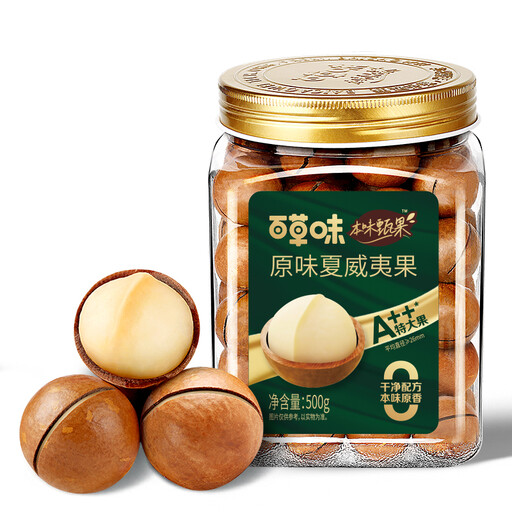
Why it suits this profile: This option is intended for anyone looking for a large quantity of unseasoned macadamia nuts for serving, baking or desserts.
According to the product information, no salt, sugar or spices have been added. This means you are not paying for a coating you do not need.
100% macadamia nuts according to the product description; 500-gram pack; suitable for snacking and baking.
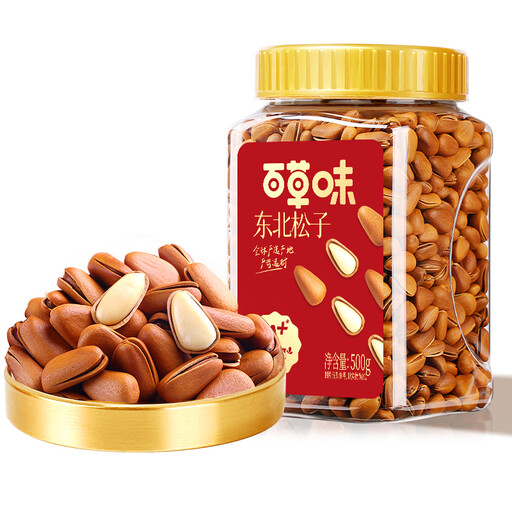
Why it suits this profile: A bulk pack is ideal for anyone who regularly makes pesto, salads, Asian dishes or baked recipes.
The product information states a minimum of 98% pine nuts. Check the packaging and reseal the bag immediately after use.
500 grams; ready to eat; suitable as an ingredient in hot and cold dishes.
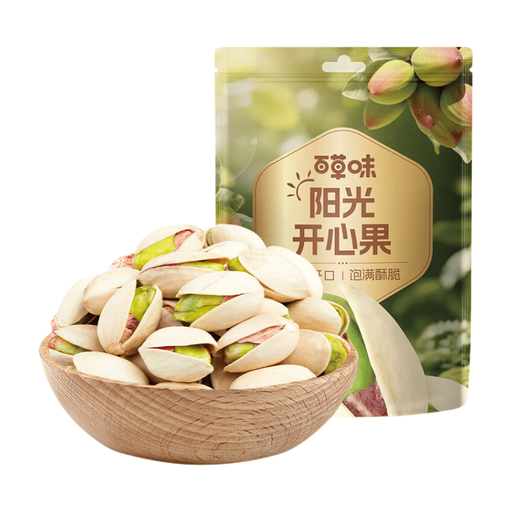
Why it suits this profile: The 100-gram pack is easy to take with you for journeys, a lunchbox or a small get-together.
The product description lists pistachios and salt as ingredients. This makes the flavour profile clearer than that of an extensive spice mix.
Roasted and salted; 100 grams; ready to eat.
We have put together a complete, up-to-date list of products that fully meet these strict selection criteria and the applicable European safety regulations.
Choose a small pack or divide a larger bag into portions at home. Unsalted almonds, cashews or a simple nut mix are practical options, as long as you take allergens into account. Whole nuts can pose a choking hazard for young children, so follow safety advice and pay attention to age recommendations.
Store nuts in a cool, dry place away from direct sunlight. Seal the packaging carefully or use an airtight storage container. Pine nuts, macadamia nuts and other high-fat nuts can lose their flavour more quickly when exposed to heat. Always check the best-before information on the packaging.
This varies depending on the type, brand, pack size and preparation method. Compare the price per 100 grams or per kilo, and check the ingredients at the same time. A product containing oil, salt, sugar or spices may have a different price from 100% unsalted nuts. This helps you avoid making your choice based solely on pack size or a marketing claim.
