
Vandaag of morgen in huis

Kwaliteit gegarandeerd

Welkomstaanbiedingen ontgrendelen: GRATIS bezorging | Tot 80% korting | Gratis 30 dagen JoyPlus-proefperiode
Download de app
Nuts and seeds may seem straightforward to buy online. However, products vary considerably in flavour, preparation, packaging, allergens, and salt or sugar content. A large bag is not automatically better value if you cannot reseal it properly after opening. And an appealing flavour name reveals little about the ingredients list.
This practical guide helps you compare pumpkin seeds, sunflower seeds, melon seeds, walnuts, pistachios, peanuts and international snacks based on factors you can check.
A 340 or 500-gram pack can be a good choice for a family, a party or regular use in recipes. However, once opened, roasted seeds and salted nuts lose their crunchy texture more quickly if the bag does not seal properly. So check whether the packaging is resealable. If not, store the contents in an airtight storage container.
Also pay attention to the storage advice. Many products should be kept in a cool, dry place away from direct sunlight. Walnuts can also absorb other smells, so they need extra care when stored.
A snack with caramel, coconut, crab roe, plum or liquorice flavour often contains more than just nuts or seeds. Ingredients may include sugar, salt, oil, flavourings, sweeteners or flavour enhancers. This does not make the product unsuitable, but it is intended for a different occasion than unroasted or organic seeds.
If you are looking for a neutral base for salads, bread or baking recipes, it is better to choose a product with a short ingredients list. For drinks parties and Asian snacks, strongly seasoned varieties can be an interesting choice.
Nuts, peanuts, sesame, soya, milk, gluten and shellfish are commonly found in this product category. Check the allergen information before ordering. Also look out for warnings about possible traces. A product without any of the 14 main EU allergens may, for example, have been packed alongside other products; always follow the current label on the packaging.
Start by looking at the basics:
“Organic” is only relevant when it is clearly stated on the product and packaging. A brand’s flavour or quality claim should not be viewed separately from the ingredients list.
Do not compare only the price per bag. Consider the weight and the way the product is packaged as well:
A snack mix can offer variety, but check the proportion of nuts, seeds, crackers and any added flavourings. If you prefer to create your own combination, you could serve pumpkin seeds with pistachios, almonds or crackers, for example.
The nutrition table makes products easier to compare. Pay particular attention to salt, sugars, fat and portion size. A caramel variety will generally contain more sugar than plain seeds. Savoury Asian snacks and Turkish snacks may, on the other hand, contain relatively high levels of salt.
Examples from the product information:
For international products, always check the label supplied with your delivery. Product compositions and packaging information may be updated.
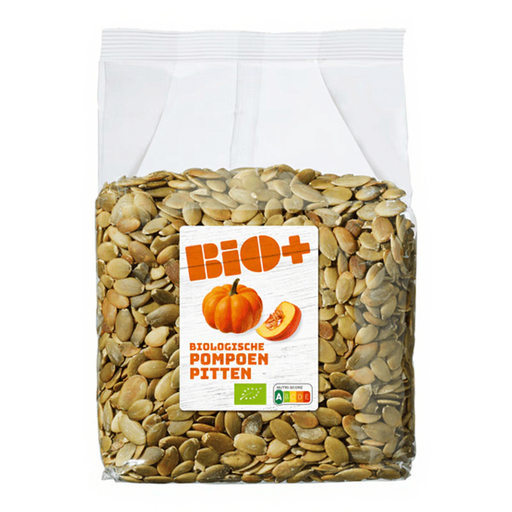
Why it suits this profile: A generous pack with a short ingredients list is practical for everyday use, baking or adding to salads and yoghurt.
The product information lists only pumpkin seeds of organic origin and none of the 14 main EU allergens. However, always check the current packaging.
500 grams; organic origin according to the product description; suitable as both a snack and an ingredient.
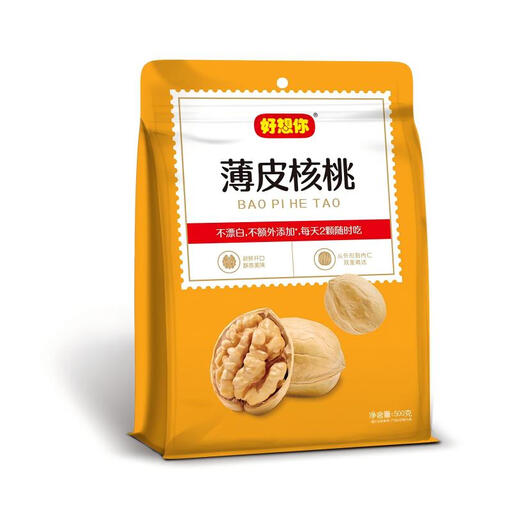
Why it suits this profile: These walnuts are aimed at anyone looking for a natural snack in a large multipack who does not mind cracking them open themselves.
The pack contains eight portions within a total of 500 grams. The product information lists walnut as the only ingredient and states that the shell must be opened before consumption.
Thin shell according to the product description; eight packs; suitable for eating straight away or culinary use.
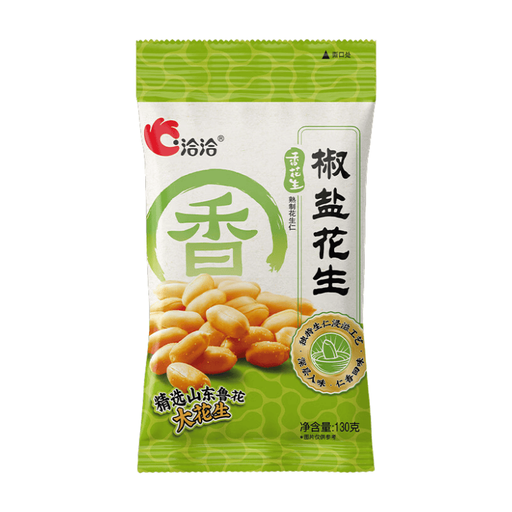
Why it suits this profile: Individually packed, ready-to-eat peanuts are ideal for snacking on the go, sharing at a drinks party or putting together an Asian snack selection.
The individual packaging limits how often the entire contents are exposed to air. The ingredients and allergens are clearly listed: peanuts, palm oil, salt and Sichuan pepper.
130 grams; roasted without frying according to the product description; individually packed; ready to eat.
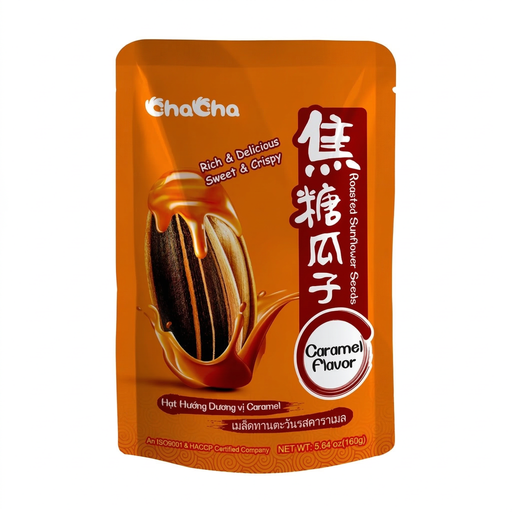
Why it suits this profile: The combination of roasted sunflower seeds and caramel is ideal for anyone who wants to serve sweet Asian snacks with guests, at teatime or during a film night.
The product information lists the ingredients and nutritional values per 100 grams. This shows that the flavour coating contains sugar, brown sugar and sweeteners.
160 grams; roasted sunflower seeds; caramel flavouring; ready to eat and share.
We have put together a complete, up-to-date list of products that fully meet these strict selection criteria and the applicable European safety regulations.
For a Turkish drinks party, salted pumpkin seeds, sunflower seeds and a snack mix work well together. Anatolia offers salted roasted pumpkin seeds and salted sunflower seeds in 340-gram packs, among other options. For a spicy variation, you can use black cumin, also known as çörekotu, in dishes or as a topping.
If you prefer combining different textures, serve pistachios, almonds, walnuts and crackers. With HBAF Almond Garlic Bread Flavor, pay attention to the listed allergens: almond, wheat, milk and soya. Crackers often contain gluten; Garden Saltine Crackers also lists soya and barley. So always check the product page and the label.
Keep them in a cool, dry place away from direct sunlight. Seal the packaging properly or use an airtight storage container. Roasted seeds and seasoned snacks generally retain their crunchy texture better when they are not exposed to moisture. Use the date and storage instructions on the packaging as a guide.
Shelf life varies by product and batch. The relevant date is shown on the packaging. Once opened, quality can deteriorate more quickly, particularly with products containing oil, a coating or a crunchy preparation. Check the smell and appearance before eating to make sure the product still seems normal, and do not use damaged packaging.
For a small drinks gathering, 110 to 160-gram bags are useful for combining several flavours. For a larger group or regular topping up, packs of 250 to 500 grams are more practical. For example, combine plain pumpkin seeds with salted peanuts, pistachios, melon seeds and crackers for a range of flavours and textures.
