
Vandaag of morgen in huis

Kwaliteit gegarandeerd

Welkomstaanbiedingen ontgrendelen: GRATIS bezorging | Tot 80% korting | Gratis 30 dagen JoyPlus-proefperiode
Download de app
Buying nuts and seeds online seems straightforward. But products can vary considerably in how they’re prepared, their salt content, packaging and intended use. A bag that looks attractively priced, for example, may consist mainly of seasoning, sugar or oil. A large pack can also be less practical if you only use nuts occasionally.
As Joybuy Product Recommendation Officer, I assess product information against verifiable criteria. This makes it easier to find the right choice for everyday snacking, cooking, baking or sharing with drinks.
Words such as natural, nutritious or healthy snacks sometimes feature prominently on packaging. But they don’t tell you how much salt, sugar or added oil the product contains. Always check the ingredients list and nutritional information per 100 g.
An unsalted product often contains just one ingredient, such as almonds, walnuts or pumpkin seeds. Roasted nuts may also contain added oil, salt, sugar or flavourings.
A 500 g or 1 kg bag can be handy for a family, a baking cupboard or regular use. For occasional snacking, a smaller pack may be more practical. Nuts naturally contain fats and can lose their crunch more quickly after opening if stored somewhere warm or damp, or if the packaging isn’t sealed properly.
So compare more than just the price of the bag: check the price per 100 g, the type of closure and how much you expect to use.
Peanuts and tree nuts are important allergens. Seasoned varieties may also contain soya, cereals containing gluten, sesame or other ingredients. Garlic peanuts, for example, list peanuts, salt, garlic powder, sugar, spices and soya lecithin.
If you have an allergy, always check the current packaging. Product information can change, and “may contain traces of” is not the same as having the allergen as an ingredient.
How nuts and seeds are prepared affects their flavour and how you can use them:
For example, according to the product information, Anatolia roasted unsalted pumpkin seeds contain pumpkin seeds. The manufacturer suggests using them in salads, soups, breakfast dishes and baking recipes.
Check the order of the ingredients. The ingredient listed first is usually present in the largest amount. A plain bag of almonds, walnuts or macadamia nuts should ideally have a short ingredients list.
Also look at:
Nutritional information is product data, not personalised dietary advice. If you have an allergy or follow a particular diet, check the packaging and, if necessary, consult a healthcare professional or dietitian.
Small 100–200 g bags are suitable for trying different flavours. Packs of 340–500 g are a better fit for families, regular snacking or cooking. A 1 kg bag may be a good option for stocking the cupboard, but you’ll need to take extra care to store it in an airtight container.
Store nuts and seeds according to the product instructions, in a cool, dry, dark place. Seal the pack tightly after opening. Some product descriptions suggest chilling or freezing to help keep them fresh for longer; always follow the instructions on the packaging.
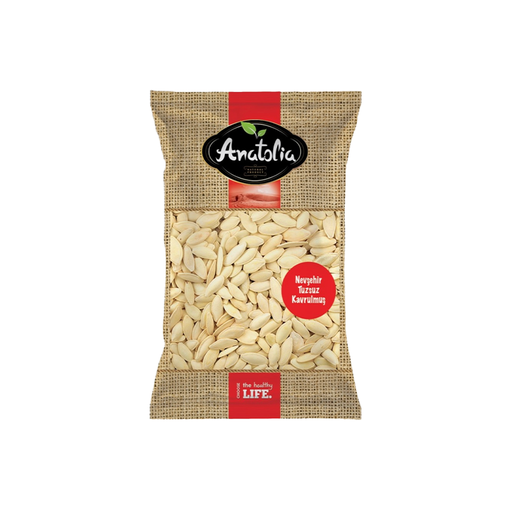
Why it suits this shopper: The 340 g pack offers a useful amount for breakfast, salads, baking and snacking, without requiring you to buy a large quantity at once.
The product information lists pumpkin seeds as the ingredient. They’re roasted and unsalted, so you can add your own seasonings.
340 g, roasted, unsalted and suitable for both sweet and savoury dishes.
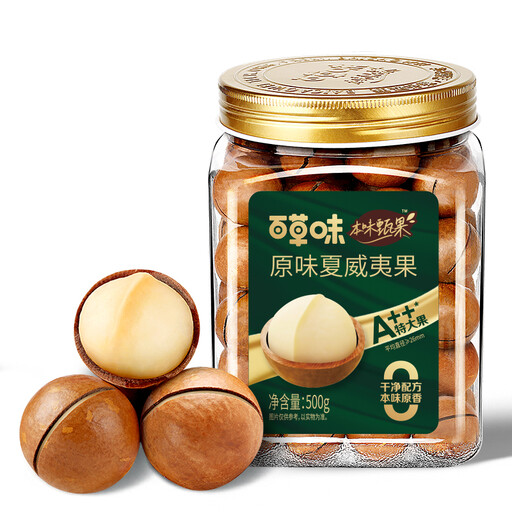
Why it suits this shopper: This large pack is aimed at fans of plain macadamia nuts, whether for snacking, desserts, salads or baking.
The ingredients list states 100% macadamia nuts. According to the product information, no salt, sugar or seasoning has been added.
500 g, a simple ingredient list and suitable for eating as they are or using in recipes.
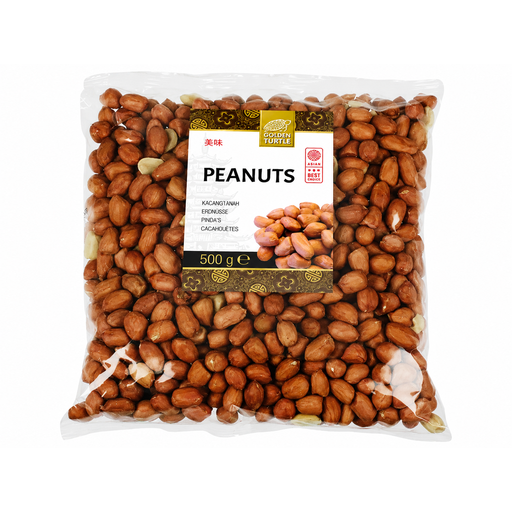
Why it suits this shopper: These raw peanuts with their skins on are for anyone who wants to roast them at home and use them in Asian snacks, curries, stir-fries, salads or sauces.
The product information lists peanuts as the ingredient, with no salt or sugar. This means you can choose how to prepare and season them.
500 g, raw, with their natural skins on and suitable for Indonesian and Asian cooking.
We’ve put together a complete, up-to-date list of products that meet these strict selection criteria and the applicable European safety regulations.
It depends on your taste, portion size and dietary preferences. Unsalted almonds, walnuts, cashews, pistachios and macadamia nuts are popular choices. Always check the ingredients and nutritional information. A small portion is more practical than eating straight from a large bag.
Shelf life varies by product and packaging. Check the date on the pack and store the contents somewhere cool and dry, in an airtight container. If in doubt, don’t taste or smell them further. Throw the product away if the packaging is damaged or the smell and taste are clearly unusual.
Compare the price per 100 g, not just the total price. A large bag is often handy if you use nuts frequently for baking, cooking or making your own nut mixes. For occasional snacking, a smaller pack can help reduce waste. Also check whether the pack is resealable and how you’ll store the nuts at home.
