
Mindful snackers
You want to keep eating nuts while keeping track of the energy in your snack. Compare the nutritional information per 100 g and weigh your portion; unsalted doesn’t mean low in calories.


To stock up on nuts, compare the energy per 100 g, weigh your snack and choose a pack size that suits how much you eat and how you can store it. For solid foods, the European Commission sets a limit of no more than 40 kcal per 100 g for the ‘low energy’ claim; the products reviewed from Duyvis, PLUS, Jumbo and Albert Heijn list 614–672 kcal per 100 g. Weighing out a portion can help you keep track of how much you eat, but it doesn’t make the product itself low in calories.
You want to keep eating nuts while keeping track of the energy in your snack. Compare the nutritional information per 100 g and weigh your portion; unsalted doesn’t mean low in calories.
You eat nuts regularly and want a pack that suits how much you use. Check the pack size and compare the price per kilo of products with a sufficiently similar composition.
You take a while to finish a bag and want to store its contents properly. Choose an amount you can use in good time and follow the storage instructions for the specific product.
| What to consider | What to look for | Who is this most relevant to? |
|---|---|---|
| Portion and energy | Compare kcal per 100 g and weigh the amount you eat. | If I want to weigh my snack carefully, I look at both the energy per 100 g and the portion weight. Around 36% of consumers prioritise calories and portion size. |
| Pack size | Check the net weight, current price per kilo and how much you actually use. | If I eat nuts regularly, I want a supply that suits how much I use and makes it easy to compare costs. Around 29% of consumers prioritise how practical and good value their supply is. |
| Storage | Follow the storage instructions on the pack and seal the bag securely after use. | If I take a while to finish a bag, I want to store its contents properly and use them in good time. Around 21% of consumers focus mainly on maintaining quality during longer-term storage. |
| Ingredients | Check the ingredients, the proportion of each type of nut and the allergen information on the exact pack. | If I’m looking for a particular mix of nuts or need to take allergens into account, I want to know exactly what’s in the bag. Around 14% of consumers prioritise the ingredients and allergen profile. |
Salt content, preparation method and energy content are different things. The nut products reviewed are well above the European limit for the ‘low energy’ claim.
Check the energy per 100 g and the ingredients list. Then weigh out the portion you want to eat.
Once opened, a bag of nuts needs to be stored appropriately. The Voedingscentrum lists rancidity, a chewy texture and mould as signs to watch for with unsalted cashews.
Choose a pack size that suits how much you use, seal it after use and follow the storage instructions for the specific product.
Mixed nuts can vary in pack size and in the proportions of each type of nut. So a price difference between two different mixes doesn’t, by itself, tell you which pack is a better fit for you.
Compare the price per kilo, the ingredients and how much you expect to use.
You’ll no longer have the original product information to hand, including allergen and storage advice.
Keep the label or original packaging, and make sure you can tell different products apart.
Duyvis Unsalted Peanuts are available in a 235 g pack, which may suit anyone looking for a medium-sized bag of peanuts.
AH Unsalted Mixed Nuts come in a 500 g pack for anyone who wants to keep several types of nuts in stock.
Jumbo Unsalted Cashews Value Pack is a 500 g pack for regular use.
Dutch product information for Lidl Mixed Nuts describes a 200 g mix that is unroasted and unsalted.
ALDI sells an unsalted nut mix under the TRADER JOE’S product brand, in a 500 g pack.
PLUS Unroasted Unsalted Mixed Nuts is a 500 g bag containing several types of nuts.
This selection includes mixed nuts, chestnuts and other nut snacks for anyone who wants to compare nutritional information and pack sizes.
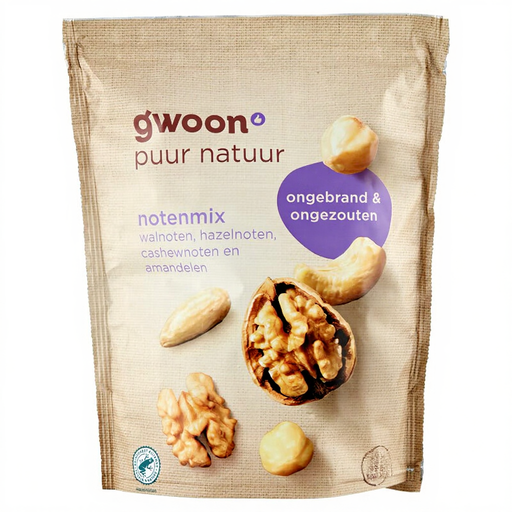 Image unavailable
This mix may suit you if you’re looking for a multipack of different types of nuts and want to weigh out your portions yourself.
The product information lists 663 kcal per 100 g.
The mix contains 30% hazelnuts, 30% walnuts, 20% almonds and 20% cashews.
The allergen information also mentions possible traces of peanuts and other nuts.
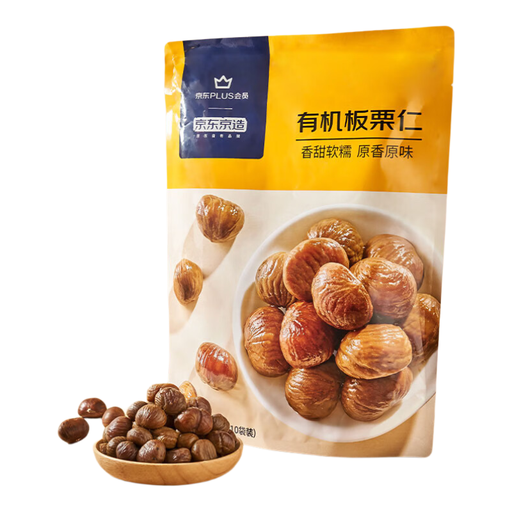 Image unavailable
These ready-to-eat peeled chestnuts may suit you if you want to keep a supply in individual portion packs.
The product information lists 191 kcal per 100 g and 10 sachets of 100 g each.
Chestnuts are listed as the ingredient; store the pack in a cool, dry place.
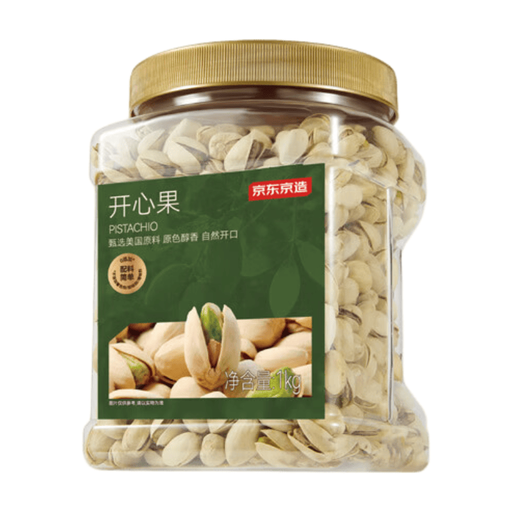 Image unavailable
This larger pack may suit you if you buy pistachios and weigh out portions using the nutritional information.
The product information lists 619 kcal per 100 g and 99% pistachios.
The product contains 1% salt and is described as salt-roasted, so it won’t suit anyone specifically looking for unsalted nuts.
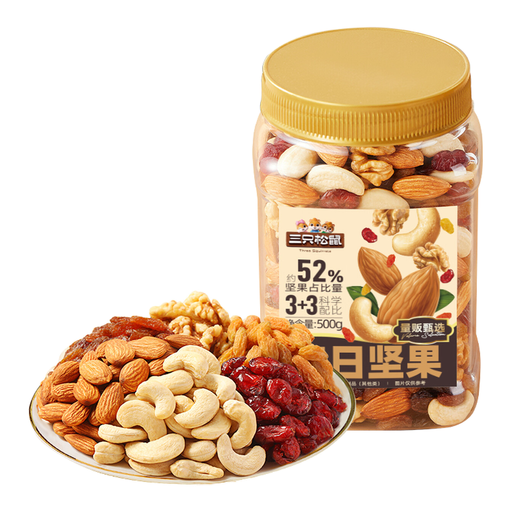 Image unavailable
This mix may suit you if you’re looking for a jar of nuts and dried fruit to keep in stock.
The product information lists 493 kcal per 100 g; the mix is made up of 52% nuts and 48% fruit.
The ingredients list includes sugar in the dried cranberries.
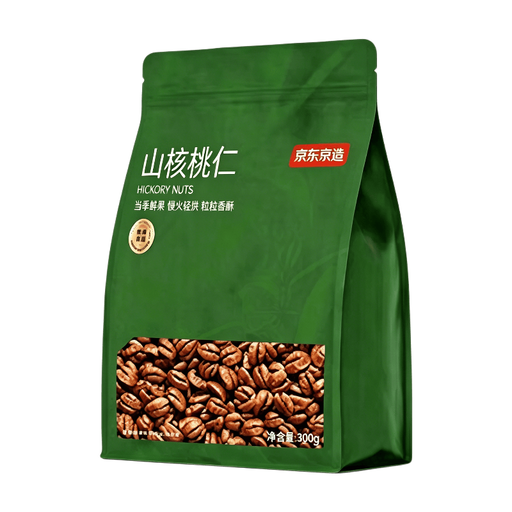 Image unavailable
This pack may suit you if you’re looking for a medium-sized amount of hickory nut kernels and want to use portion packs.
The product information lists 614 kcal per 100 g and individual portion packs.
The ingredients list at least 85% hickory nut kernels, sugar and salt. The salt content is 1.6 g per 100 g.
No, not just because the portion is smaller. For solid foods, the European Commission sets a limit of no more than 40 kcal (170 kJ) per 100 g for the ‘low energy’ claim; a weighed snack portion is not the same as a low-calorie product.
Not automatically: check what the claim refers to. Under European rules, a ‘reduced energy’ claim requires the energy content to be at least 30% lower than that of a similar product, and the feature responsible for the reduction must be clear.
The Voedingscentrum advises that unsalted cashews can be kept for six months in a kitchen cupboard and one year in the freezer. Also follow the instructions on your product’s packaging; these timeframes don’t automatically apply to all mixed nuts. Watch out for rancidity, a chewy texture and mould.
Yes. The NVWA lists peanuts and nuts as separate allergens and states that allergen information must appear on prepacked products. Also check for any cross-contamination warnings if they’re relevant to someone in your household.
Bear in mind the risk of choking. Product information from Albert Heijn, Jumbo and PLUS warns that young children can choke on nuts; follow the warning on the specific product.