
Same-day & Next-day Delivery

Quality Guaranteed

Unlock Your Welcome Offers: FREE Delivery | Up to 80% OFF | Free 30-day JoyPlus trial
Download the APP
When you shop for nuts online, you’ll quickly come across dozens of options: plain almonds, mixed nuts, roasted nuts, salted nuts and seasoned snack nuts. However, the packaging and product name don’t always tell the whole story. A large bag isn’t necessarily better value, for example, and a product that looks healthy may contain relatively high levels of salt, sugar or coating.
Use these practical checks to compare nuts online, based on the information you should find on the product label and product page.
Seasoned almonds, borrel nuts and other snack nuts aren’t always made entirely of nuts. So check the percentage of nuts in the ingredients list. For example, Duyvis Coated Peanuts Provençal contains 50% peanuts, as well as ingredients including starch, oil, sugar and herbs. It’s a seasoned snack, rather than a plain nut product.
When comparing different pack sizes, also check the price per 100 grams. This helps you avoid assuming that a small premium pack is better value than a larger bag.
Nuts naturally contain fats, protein and fibre, but their nutritional value varies by type and how they’re processed. A plain product with no added salt or sugar is quite different from a nut mix with a flavour coating, sweetener or oil.
Always check the nutrition table per 100 grams. Pay particular attention to:
So, healthy nuts isn’t a fixed product category. The ingredients list tells you what you’re actually buying.
Almonds, pistachios, walnuts, hazelnuts and macadamia nuts are covered by EU allergen labelling rules. Peanuts, milk, soya, mustard and gluten can also be present in seasoned or coated products.
Before ordering, check:
If in doubt, follow the instructions on the packaging. Product information can change, so the label on the product you receive is the one to follow.
Plain nuts are ideal for breakfast, baking, salads and everyday snacking without an extra layer of flavour. According to the product information, Anatolia Badem Natural is made from 100% almonds. You can eat them as they are or use them in baking, cooking, yoghurt and desserts.
Roasted nuts usually have a more intense flavour and a firmer bite. Check whether oil or salt has also been added. Anatolia Roasted Hazelnuts are intended as a snack or topping and are described as roasted, with a crunchy texture.
Salted nuts are great for sharing, but check the salt content per 100 grams. Be&Cheery Pistachios Roasted and Salted, for example, lists 1.5 grams of salt per 100 grams.
With flavoured varieties such as wasabi almonds or strawberry almonds, the flavour coating is an integral part of the product. HBAF Almond Wasabi Flavor contains ingredients including almonds, sugar and mustard flavouring, and lists milk and soya allergens. This is worth bearing in mind if you’re looking for a simple nut snack or want to avoid certain allergens.
The right amount depends on how you’ll use the nuts:
A resealable pack helps maintain quality after opening, but always follow the storage instructions. For almost all the products mentioned, the advice is to store them in a cool, dry place away from direct sunlight. Seal the pack tightly and don’t use the product if its packaging is damaged.
Don’t just compare the price. Also check:
A bag containing only almonds offers a different kind of value from a seasoned snack of the same weight. Plain almonds and walnuts may work out better value for everyday use or baking. For a party, a mixed nut selection may be more convenient, as you get several flavours in one pack.
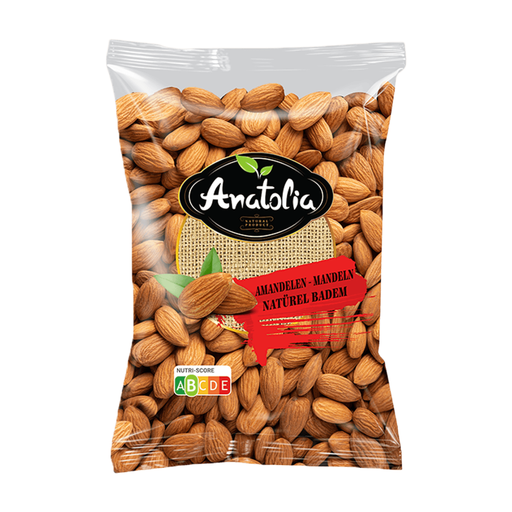
Why it suits this shopper: A 500-gram pack is practical if you want to use almonds as a snack, add them to yoghurt or salads, or use them in baking.
According to the product information, this product contains 100% natural almonds, with no salt or flavour coating listed.
500-gram pack; 21 grams of protein and 12.5 grams of fibre per 100 grams, according to the nutritional information provided.
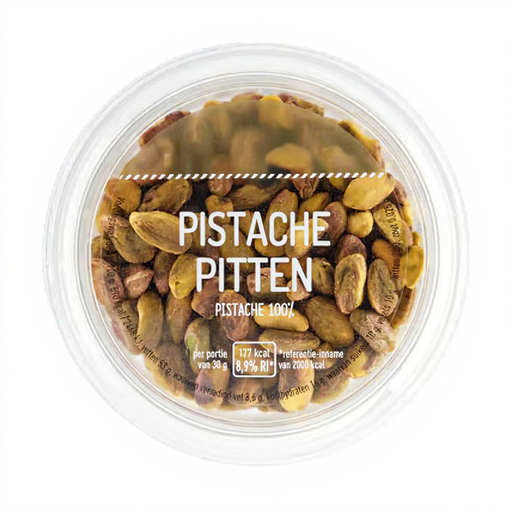
Why it suits this shopper: Shelled pistachios are a convenient choice if you want a refined ingredient for breakfast, baking, desserts or savoury dishes.
The product description specifies shelled kernels, so there’s no need to remove the shells when using them in recipes.
100-gram pack; ready to eat or chop as a topping for breakfast, bread, baking and desserts.
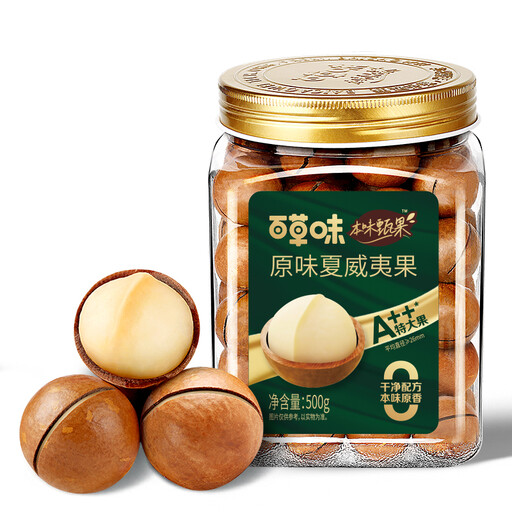
Why it suits this shopper: This large bag is ideal for frequent snacking, baking, salads and adding the finishing touch to desserts.
According to the product information, this product contains 100% macadamia nuts, with no added salt, sugar or herbs.
500-gram pack; ready to eat or use in baking recipes, salads and desserts.
We’ve put together a complete, up-to-date list of products that meet these strict selection criteria and the current European safety requirements.
It depends on whether you prefer plain, roasted or salted nuts. Plain almonds, walnuts and hazelnuts usually have a short ingredients list. Check the label for each variety, as roasted nuts may contain oil or salt, while snack mixes may include extra flavourings or sugar.
Follow the best-before date on the packaging and store nuts in a cool, dry place away from direct sunlight. Seal the pack tightly after each use. An airtight container is especially useful for macadamia nuts, walnuts and mixed nuts, as it helps limit their exposure to moisture and air.
Check the salt content per 100 grams and compare it with a plain variety. Also check whether the nuts have a coating. Seasoned peanuts or borrel nuts may also list wheat, milk, soya or mustard as allergens. That makes the label more important than just the flavour name on the front.
