
Same-day & Next-day Delivery

Quality Guaranteed

Unlock Your Welcome Offers: FREE Delivery | Up to 80% OFF | Free 30-day JoyPlus trial
Download the APP
Buying nuts seems simple, until you browse the range. You’ll find unsalted nuts, salted nuts, roasted nuts, organic nuts, nut mixes and snacks with spices, coatings or sweeteners. The packaging and marketing don’t always tell the full story.
So pay particular attention to three common pitfalls:
Start with the ingredients list. A product with one main ingredient is easy to assess. According to the product information, the Verse Extra Large Roasted Peanuts consist of 100% peanuts and are unsalted. With salted peanuts, the amount of added salt is clearly stated. For example, g'woon Salted Peanuts contains 99% peanuts, sunflower oil and 0.7% salt.
With coated snacks, the composition changes significantly. Duyvis Tiger Nuts Paprika Fiesta contains peanuts, rice flour, wheat, sugar and spices, among other things. Golden Turtle Peanuts Coated with Chili contains peanuts, wheat and soya. These are therefore different choices from plain peanuts or unsalted nuts.
Do you have an allergy? Always check the actual packaging. The statement “may contain traces of” is relevant, even if the ingredient itself isn’t in the recipe. The 14 major EU allergens must be clearly indicated in accordance with current labelling regulations.
The terms unsalted, salted and roasted each have a practical meaning:
The extra large roasted peanuts list 0.02 g of salt per 100 g. The Hui Ji Salted Dry Peanuts contain 2.06 g of salt per 100 g. That’s a big difference and makes the products suitable for different preferences.
Pine nuts are also worth a closer look. According to the product information, the two BE&CHEERY products contain at least 95% or 98% pine nuts and are lightly roasted with palm oil. If you’re looking for a product without added oil, it’s a good idea to check the ingredients list of each variant.
For daily snacking, a pack of 100 to 250 g can be practical. For baking, cooking, salads or a large household, 350 to 500 g may be more worthwhile. Just bear in mind the shelf life after opening.
Store nuts according to the instructions on the pack: cool, dry, away from direct sunlight and well sealed. Some products advise consuming them immediately after opening. A pack with multiple portions, such as the Haoxiangni walnuts with eight packs within a total of 500 g, can help keep the contents sealed for longer per portion.
When ordering online, also check the net weight, shelf life information, origin and the responsible company. Product information can change; the packaging remains the deciding factor.
The right choice depends on when you’ll eat them and how you’ll prepare them. Peanuts are often affordably priced and work well as snacks or in sauces. Pistachios are popular as a party nibble. Walnuts, almonds, hazelnuts and cashews are widely used in salads, baking and breakfast. Pumpkin seeds are technically seeds and can be added to bread, soup or salad.
A nut mix offers variety, but check the proportions. According to the product information, the g'woon Nut Mix Raw & Unsalted consists of 30% hazelnuts, 30% walnuts, 20% almonds and 20% cashews. That’s a different composition from a mix with pumpkin seeds, sunflower seeds or dried fruit.
If you’re looking for healthy snacks, it’s best not to just look at a claim on the front. Compare the nutritional value, portion size, added ingredients and the salt and sugar content. “Organic” is only relevant when this is clearly substantiated on the product and packaging; Bio+ Pumpkin Seeds states that the pumpkin seeds are of organic origin.
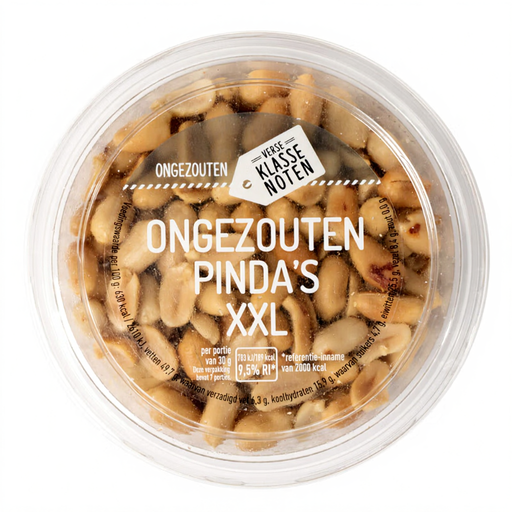
Why this fits the profile: A straightforward pack of unsalted, roasted extra large peanuts for anyone who wants to try a smaller quantity first.
The product information states 100% peanuts and only 0.02 g of salt per 100 g, so the composition is easy to check straight away.
210 g, unsalted and roasted; suitable for snacking or using in recipes.
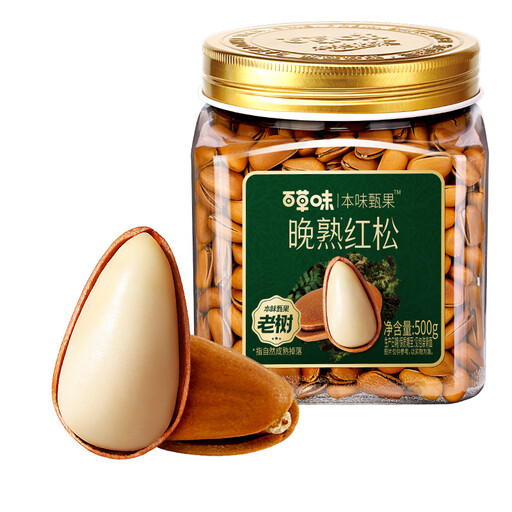
Why this fits the profile: A large pack for pine nut lovers who use them in pesto, salads, baking and as a garnish.
The ingredients list mentions at least 95% pine nuts and also states the added palm oil. So the preparation isn’t hidden.
500 g content; ready to use and suitable for both cooking and baking.
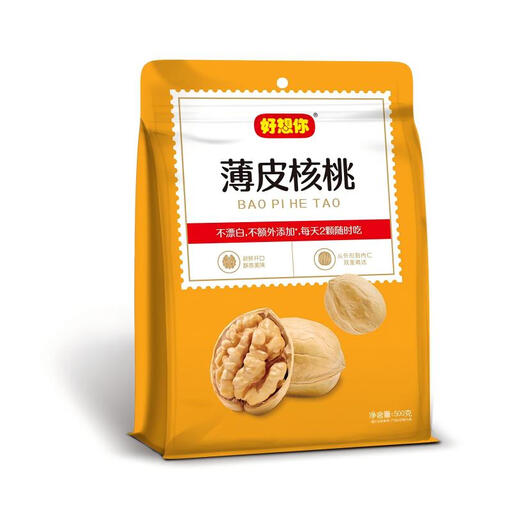
Why this fits the profile: Aimed at households that use walnuts regularly and want to keep portions separate for snacking or cooking.
The pack contains eight portions within 500 g. The product information also states that the walnuts are still in their shells and need preparation.
500 g total; thin shell according to the product description and zero grams of salt per 100 g.
We’ve put together a full, up-to-date list of products that fully meet these strict selection criteria and current European safety regulations.
That depends on your taste, diet and preferred preparation. Unsalted peanuts, almonds, cashews or a nut mix have a simple ingredients list. Always check the portion size and allergen information. A coated snack product may contain extra salt, sugar, flour or oil.
Store nuts in a cool, dry place away from direct sunlight. Seal the bag or pack well to limit moisture and odour transfer. Always follow the specific storage instructions on the label. Don’t use an opened product if the packaging is damaged or the contents smell or taste unusual.
That depends on the price per 100 g, delivery costs, packaging and shelf life. Compare not just the total price, but also the net weight and composition. A large bag is only practical if you can use the nuts in time and store them properly.
