
Vandaag of morgen in huis

Kwaliteit gegarandeerd

Welkomstaanbiedingen ontgrendelen: GRATIS bezorging | Tot 80% korting | Gratis 30 dagen JoyPlus-proefperiode
Download de app
Buying nuts online might seem straightforward. Yet attractive packaging and flavour claims can make it tricky to compare products properly. A 500g bag isn't automatically better value if you mainly eat nuts on the go. And a product with words like "natural" or "healthy" on the pack can still contain plenty of salt, sugar or flavourings.
With this practical guide, you'll focus on the information that really matters: ingredients, nutritional values, allergens, preparation methods and packaging.
A big bag can be handy for baking, cooking or a household that eats nuts regularly. But for nuts on the go, a 500g bag is far less practical. Once opened, the pack needs to be sealed properly and stored in a cool, dry place. Otherwise, the nuts can lose their crunch more quickly.
Roasted almonds, spiced nuts and sweet varieties can contain extra ingredients such as sugar, syrup, oil, milk powder or flavour enhancers. So don't just look at the front of the pack. Check the percentage of nuts and compare the sugar and salt content per 100g.
With ChaCha Pecan Kernels with Maple Syrup & Lime, the product information states it contains 80% pecans. The rest includes malt syrup, sugar, palm oil, lime, maple syrup and salt. That makes this variety best suited as a tasty snack, not as a neutral base for every recipe.
Nut products can contain various allergens. Think of almonds, walnuts, cashews, macadamias, pecans and pine nuts, but also peanuts, soya, milk, mustard or gluten in spiced varieties.
Always read the ingredients list and allergen information. For serious allergies, the "may contain" warning is also important. Product information online can change, so always check the label on the pack before use.
For a neutral choice, unsalted almonds or a mix without added flavourings are straightforward. Raw almonds can be used in breakfasts, salads and baking recipes. Roasted almonds generally have a more intense flavour and firmer texture.
Also pay attention to the preparation method:
Always compare products on the same basis. A small portion pack might seem low in sugar or salt, while the content per 100g is actually higher. Check at least:
Nuts are naturally high in energy and fat. That in itself isn't a judgement of quality. The right choice depends on when you'll eat them and your overall diet. A product with a short ingredients list is often easier to assess.
Small packs of 30g to 120g are handy for school, the office, travel or your bag. Sizes from 150g to 500g are better suited to breakfast, baking, cooking and stocking up.
Store nuts according to the instructions on the label: usually cool, dry, away from direct sunlight and well sealed. Also check the best-before date and try to use an opened pack as soon as possible.
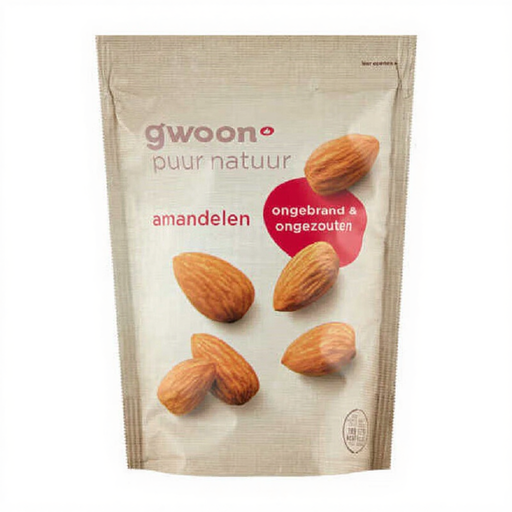
Why this fits the profile: A straightforward pack for anyone buying unsalted almonds for the first time, whether eating them on their own or using them in breakfasts or baking recipes.
The ingredients list states almonds and no added salt, so the composition is easy to check straight away.
200g, unsalted and suitable for snacking, baking, cooking and as a topping.
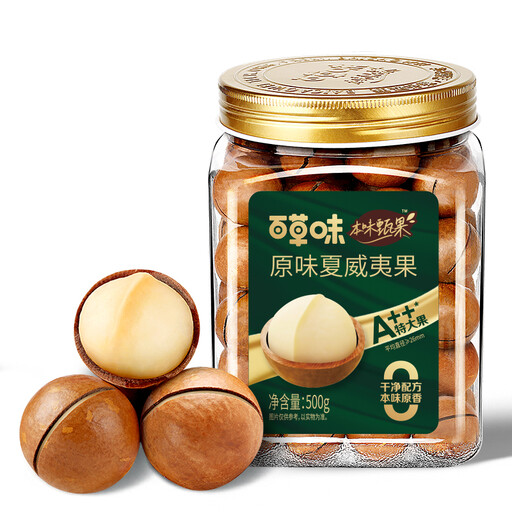
Why this fits the profile: For anyone wanting a large supply of macadamia nuts with a neutral composition and a soft, buttery flavour.
The product information states 100% macadamia nuts, with no added salt, sugar or spices.
500g, ready to eat and, according to the product information, also suitable for baking, salads and desserts.
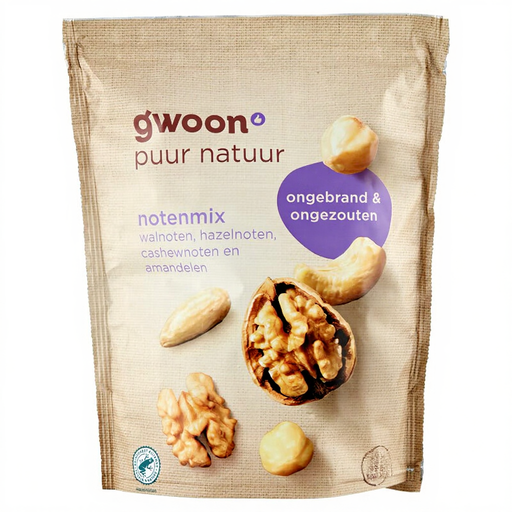
Why this fits the profile: A generous basic supply for breakfasts, baking recipes, salads or making your own healthy snacks.
The ratio is clearly stated: 30% hazelnut, 30% walnut, 20% almond and 20% cashew. The mix is unroasted and unsalted.
500g and four clearly listed nut varieties; suitable for roasting yourself or using straight away.
For a snack, spiced nuts, roasted almonds or a small bar such as the Kind Caramel Almond Nut Bar - 90 g work well. According to the product information, this bar contains almonds, caramel, honey and sea salt. The nutritional value per 100g states 5g sugar and 0.72g salt. Always check the allergens though: the label says the bar may contain peanuts and other nuts.
If you're after a spicy kick, take a look at HBAF Almond Wasabi Flavor 120g. This variety lists almonds, milk, soya and mustard as allergens. For something sweeter, there are almonds with strawberry or corn flavour, among others. These products are mainly intended as snacks; for baking, natural almonds, walnuts or macadamias are usually more versatile.
We've put together a full, up-to-date list of products that fully meet these strict selection criteria and comply with current European safety regulations.
That depends on your preference for flavour, salt and size. Unsalted almonds, walnuts and an unsalted mixed nut blend all have a short ingredients list. Pay attention to the portion size and the nutritional values per 100g.
Store opened nuts in a cool, dry place, well sealed and away from heat and direct sunlight. Follow the instructions on the pack and try to consume the product as soon as possible after opening.
Not without checking. Spiced nuts can contain milk, soya, wheat, gluten, mustard or peanuts in addition to nuts. Always read the full ingredients and allergen information on the current label before buying and eating.
