
Vandaag of morgen in huis

Kwaliteit gegarandeerd

Welkomstaanbiedingen ontgrendelen: GRATIS bezorging | Tot 80% korting | Gratis 30 dagen JoyPlus-proefperiode
Download de app
Buying nuts might seem straightforward – until you start comparing labels side by side. One bag might be labelled unsalted, roasted, natural or “premium”, yet the differences in ingredients, portion size and intended use can be surprisingly significant. You might be after a compact snack for on the go, or perhaps you need a larger pack for making pesto, baking or preparing a vegetarian meal.
As a Joybuy Product Recommendation Officer, I’ve filtered the most important product information in a practical way. That way, you can quickly see which nuts suit your taste, budget and intended use.
“Mixed nuts” can mean that one variety clearly dominates. So always check the ingredients list and the percentages. For example, the g'woon Unroasted Mixed Nuts blend contains 30% hazelnuts, 30% walnuts, 20% almonds and 20% cashews. That’s far more specific than just the name “nut mix”.
Also look out for added ingredients such as oil, sugar, syrup, spices or flavour enhancers. These affect the taste, nutritional value and suitability for a particular diet.
If you’re specifically looking for unsalted nuts, you need to check the salt content in the nutritional information table. According to the product details, the g'woon nut mix contains 0 grams of salt per 100 grams. With roasted or seasoned nuts, the difference can be greater: the Be&Cheery pistachios, for instance, list 1.5 grams of salt per 100 grams, while Anatolia salted roasted pumpkin seeds contain 3.5 grams of salt per 100 grams.
A 500g pack of nuts can be cost-effective if you use them daily, but nuts are naturally high in fat. Once opened, the flavour and crunch can deteriorate if the bag isn’t sealed properly. So buy only the amount you can use within the stated shelf life. Smaller packs, such as 100g or 200g, are more convenient for taking with you or for trying a new flavour first.
Always read the full ingredients list. Many products contain a single nut variety, such as walnuts, almonds, macadamia nuts or pine nuts. Others are blends of several types and may also contain peanuts, sesame, milk derivatives, wheat or sweeteners.
Nuts and peanuts are among the allergens that must be clearly labelled on the packaging. Also check for the warning “may contain traces of”. If you have an allergy, the product packaging is the definitive guide; do not use a product if the allergen information is unclear.
Choose a small pack for a lunchbox, the office or a trial. For baking, meal prepping or a large household, packs of 340g to 500g are more practical. You can also divide a larger bag of almonds or cashews into storage jars. Keep them cool, dry and out of direct sunlight, and seal the pack tightly after each use.
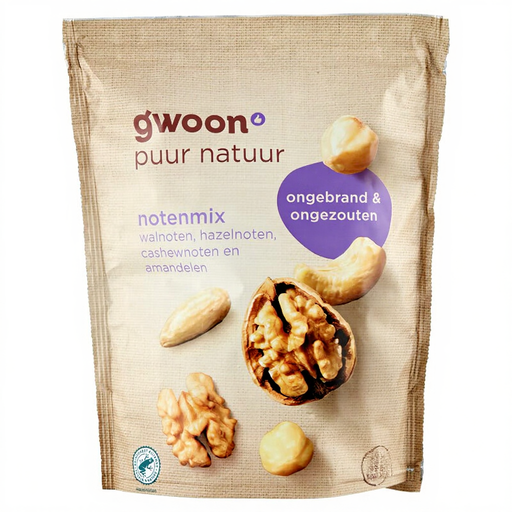
Why this fits the profile: A generous, unroasted mix for anyone who wants to try different flavours without buying several separate bags. Handy for snacking, baking and cooking.
The percentages of hazelnut, walnut, almond and cashew are clearly stated. The nutritional table also shows 0 grams of salt per 100 grams.
500g, unroasted and with no added salt according to the product information; suitable for multiple recipes.
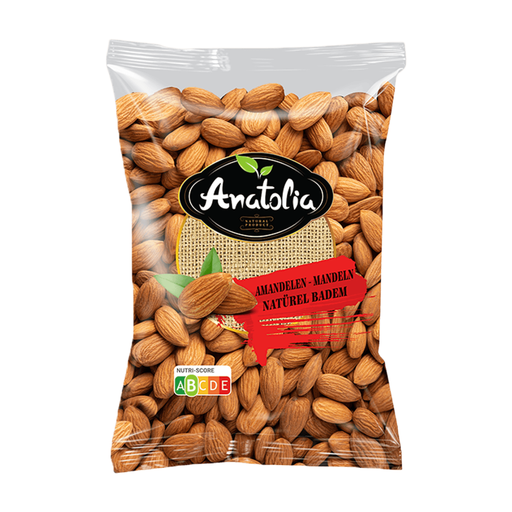
Why this fits the profile: For anyone looking for a single, versatile nut with a simple ingredient list – perfect for snacking, baking, salads and yoghurt.
The ingredients list states 100% natural almonds. No salt, sugar or spices are listed as additional ingredients.
500g; 21g protein, 12.5g fibre and 0g salt per 100g according to the stated nutritional information.
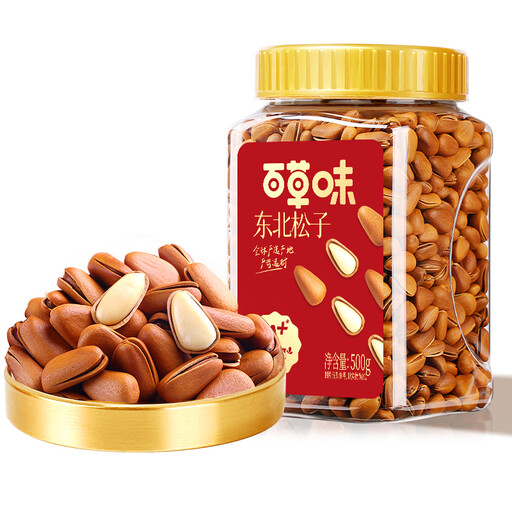
Why this fits the profile: A large pack for anyone who frequently makes pesto, salads, Asian dishes or baked goods, and also enjoys snacking in between.
The quantitative ingredient declaration states a minimum of 98% pine nuts. This makes the composition much clearer than an unspecified mix.
500g; ready to eat; according to the product information, also suitable for cooking, baking, salads and pesto.
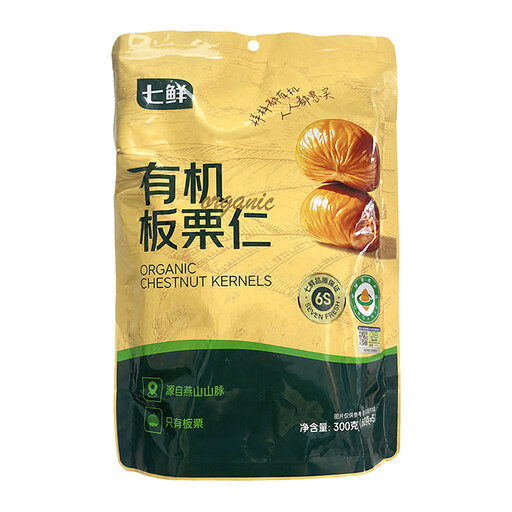
Why this fits the profile: Ideal for the office, travel or a quick snack without the hassle of peeling. According to the product information, the chestnut kernels are ready to eat straight away.
The portion is smaller than a 500g bulk bag, and the product contains only chestnuts according to the list. This limits unnecessary flavourings.
300g; ready to eat; 0g fat and 0g salt per 100g according to the stated nutritional information.
We’ve put together a full, up-to-date list of products that fully meet these strict selection criteria and comply with current European safety regulations.
That depends on your diet and personal preferences. Pay particular attention to portion size, salt, sugar and added oil. Unsalted almonds, walnuts or an unroasted nut mix have a simple composition. “Healthy” is not a guarantee in itself; the full nutritional table and your overall eating pattern remain important.
Store nuts in a cool, dry place away from direct sunlight. Seal the bag tightly or use an airtight storage container. Pine nuts and other high-fat nuts can develop an off flavour more quickly. Always follow the storage and shelf-life information on the packaging.
This can vary from product to product and from offer to offer. Compare the price per 100g and think about how much you will actually use. A 500g bag is practical for baking, cooking and daily snacking, but a 100g to 200g pack can be more sensible if you want to try a new flavour first.
