
Vandaag of morgen in huis

Kwaliteit gegarandeerd

Welkomstaanbiedingen ontgrendelen: GRATIS bezorging | Tot 80% korting | Gratis 30 dagen JoyPlus-proefperiode
Download de app
Buying nuts might seem straightforward, but the range varies widely in flavour, preparation, packaging and nutritional value. A large bag isn't automatically good value if you can't finish the contents in time. And a product that looks healthy can contain more ingredients than you'd expect, thanks to salt, sugar or a crispy coating.
So watch out for three common pitfalls:
For plain nuts, a short ingredients list is usually straightforward. With the White Peanuts 1 kg, some variants consist of 100% peanuts according to the product information. Other variants contain oil, salt or sugar, among other things. So always check which version you're ordering first.
With spiced products, the list can be longer. The Duyvis Tiger Nuts Flaming Hot - 275 g, for example, contains peanuts, rice flour, starch, oil, sugar and flavourings. According to the product information, it also contains wheat and may contain milk, nuts, soya and mustard. That makes it less suitable for people who need to avoid certain ingredients.
If you're mainly after a neutral snack, you can opt for unsalted nuts or unroasted varieties. Roasted nuts often have a more intense flavour and firmer bite. With salted nuts, it's wise to compare the salt content per 100 grams.
Some examples from the range:
A nut mix can also contain dried fruit. The ChaCha Daily Nuts consists of walnuts, raisins, cranberries, cashew nuts, almonds and hazelnuts. As a result, the mix contains multiple allergens and 28 grams of sugar per 100 grams according to the product information. That's relevant information if you're looking for a mix for daily use or a lunchbox.
A small bag is handy for on the go, at the office or for a one-off drinks occasion. Individual portions, such as the five 23-gram bags in ChaCha Daily Nuts, help you portion out the contents in advance.
For baking, salads and a household where nuts are eaten regularly, a larger pack can make more sense. Think 500 grams of macadamia nuts, hazelnuts, almonds or pine nuts. Store opened nuts in a cool, dry place, away from direct sunlight and in a well-sealed container. The exact best-before date is on the packaging. Don't smell or taste a product if the packaging is damaged or the nuts smell off.
The choice between peanuts, almonds, cashew nuts, pistachios, hazelnuts, walnuts, macadamia nuts, pine nuts and chestnuts depends mainly on when you'll be using them. The recommendations below are based on the stated ingredients, contents, preparation and nutritional values.
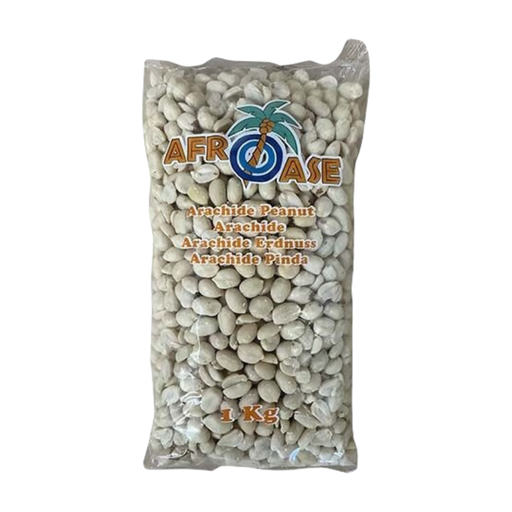
Why this fits the profile: A generous pack for anyone wanting to use peanuts for snacking, cooking or baking. The product information mentions several versions, including raw and roasted peanuts.
The 1 kg contents make the price per gram clear. Do check the variant you choose, as the composition and shelf life differ depending on the processing.
Large bulk pack; choice of raw, roasted or sugared variants according to the product description.
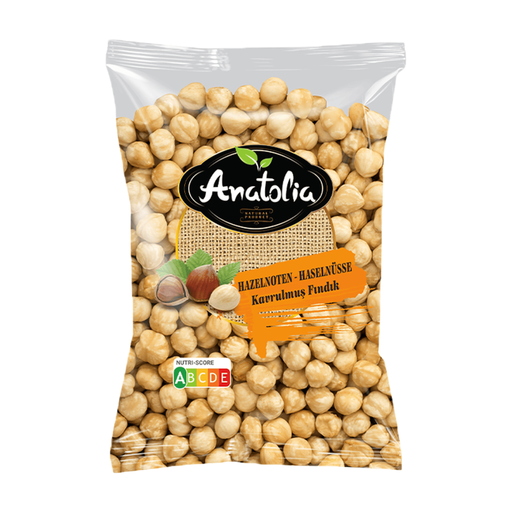
Why this fits the profile: Roasted hazelnuts are ideal for cheeseboards, yoghurt, baking and salads. According to the product description, the preparation gives a more intense nutty flavour and crunchy texture.
The product description makes the preparation method clear: these are roasted hazelnuts. Check the current packaging and best-before information before purchasing.
500 grams contents; suitable for snacking on their own and for use in both sweet and savoury dishes.
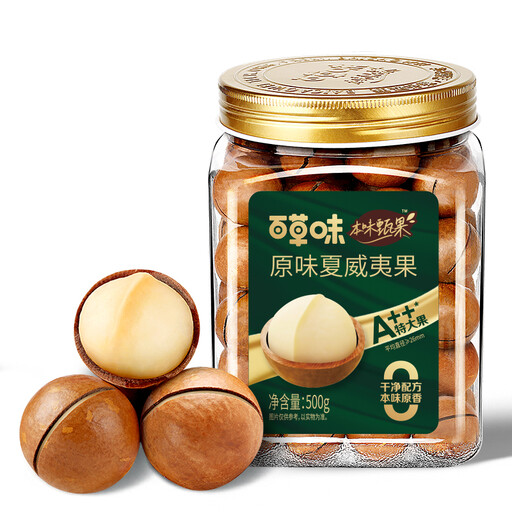
Why this fits the profile: A large pack for regular snacking, baking or garnishing desserts. According to the product information, the macadamia nuts are unsalted and contain no added sugar or spices.
The ingredients list states macadamia nuts as the only ingredient. This makes it immediately clear that no salt, sugar or spice mix has been added, according to the product data.
500 grams contents; unsalted composition; suitable as a snack, baking ingredient or garnish.
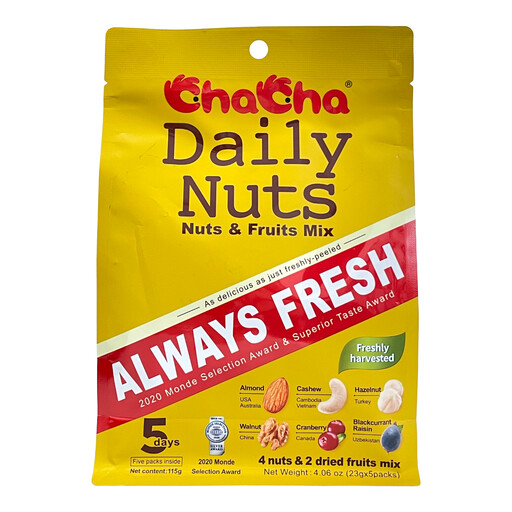
Why this fits the profile: Five individual 23-gram portions are practical for work, school, travel or a lunchbox. The mix combines walnuts, cashew nuts, almonds, hazelnuts and dried fruit.
The portion packaging prevents you from having to open a large bag repeatedly. Do check the ingredients and allergens if multiple nuts are unsuitable for you.
5 x 23 grams; ready to eat; suitable for yoghurt, muesli and baking.
We've put together a full, up-to-date list of products that fully meet these strict selection criteria and comply with current European safety regulations.
Nuts and peanuts are among the allergens that must be clearly labelled in the European Union. Always check the packaging, especially on products with statements like "may contain traces". A product containing only chestnut kernels, for example, has a different composition to a nut mix with walnuts, almonds, cashew nuts and hazelnuts.
Store opened packs airtight, in a cool, dry place. Pine nuts and other products with a high fat content can develop an off smell more quickly if stored in warm or damp conditions. Use chestnuts according to the instructions on the pack; some varieties are ready to eat and must be consumed immediately after opening.
That depends on your preference for flavour, salt and size. Unsalted almonds, cashew nuts, hazelnuts or macadamia nuts are easy to portion out. A nut mix with dried fruit offers more variety, but also contains other ingredients and often more sugar.
The shelf life varies by type, packaging and preparation method. Seal the bag well and store it in a cool, dry place away from direct sunlight. Always refer to the date and storage instructions on the label. If you're unsure about the smell, taste or texture, it's best not to use the product.
Roasted nuts have a different flavour and texture, but the composition depends on the preparation. So check whether oil, salt, sugar or spices have been added. If you're after a neutral option, you can choose raw or unsalted nuts and compare the nutrition table.
