
Vandaag of morgen in huis

Kwaliteit gegarandeerd

Welkomstaanbiedingen ontgrendelen: GRATIS bezorging | Tot 80% korting | Gratis 30 dagen JoyPlus-proefperiode
Download de app
Buying nuts might seem straightforward, until you lay a few different bags side by side. One pack contains 100% nuts, while another is mostly made up of a seasoned coating, oil or sugar. The weight alone doesn't tell the full story either: a large bag isn't always practical if you only eat a small amount, or if the pack quickly loses its flavour once opened.
With this practical selection guide, you can compare mixed nuts, peanuts, cashews, walnuts, macadamia nuts, pine nuts and chestnuts on their ingredients, uses and storage convenience.
A product can be roasted without added fat, yet still contain salt. Conversely, a seasoned nut mix may include extra sugar, flour, oil or flavour enhancers. Always check the ingredients list and the nutritional values per 100 grams.
With salted nuts, pay particular attention to the salt content. For comparison:
The term "roasted" describes the preparation method, not automatically the nutritional composition.
Words like "premium", "natural" or "healthy snack" don't give you the full picture. Always check:
A cocktail mix, for example, may only partly consist of peanuts. Duyvis Cocktail Nuts contain 50% peanuts according to the product description, alongside starch, oil, sugar and flavourings.
Nuts, peanuts and products containing wheat or milk can be relevant for people with an allergy or intolerance. Always check the label on the actual packaging. Even products that consist mainly of one type of nut may carry warnings about possible traces of other nuts or peanuts.
Store opened nuts in a cool, dry place, away from direct sunlight and moisture. Seal the bag tightly. For products that, according to the packaging, should be consumed immediately after opening, a smaller pack is more practical than a bulk bag.
First, choose the type of snack that suits your needs:
Use the table on the packaging to compare products fairly. Don't just look at calories, but also at fat, saturated fat, carbohydrates, sugars, protein, fibre and salt. The values vary significantly by type and preparation.
For example, g'woon Nut Mix Raw & Unsalted lists 55.7 grams of fat, 19.1 grams of protein, 8.6 grams of fibre and just 0.01 grams of salt per 100 grams. The mix consists of 30% hazelnuts, 30% walnuts, 20% almonds and 20% cashews.
7FRESH Chestnut Kernels list 185 kcal, 40.2 grams of carbohydrates and 0 grams of fat per 100 grams. This makes chestnuts clearly different in composition from, say, macadamia nuts or pine nuts. Treat such figures as comparison information, not as a medical assessment.
For on-the-go or at the office, portion packs and resealable bags are convenient. For baking, pesto, salads or a daily snack, a 500-gram or 1-kilogram pack can be better value per gram. When ordering nuts online, calculate the price per 100 grams and check whether you can reseal the pack after opening.
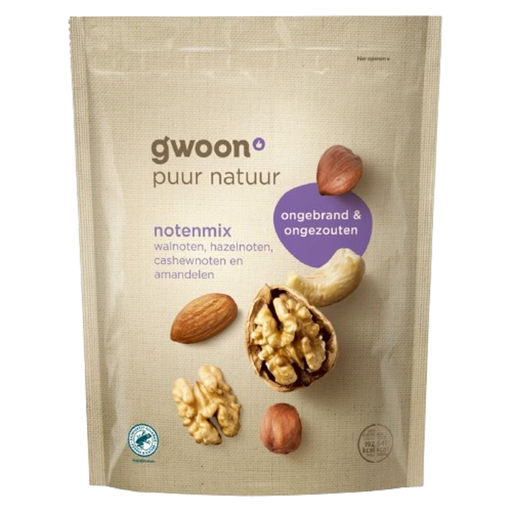
Why this fits the profile: A straightforward mix of hazelnuts, walnuts, almonds and cashews for anyone who wants to try different flavours without committing to a large stock.
The product information states an unsalted composition with 0.01 grams of salt per 100 grams and lists the percentage of each nut.
200 grams, four named nut varieties and 8.6 grams of fibre per 100 grams according to the product data.
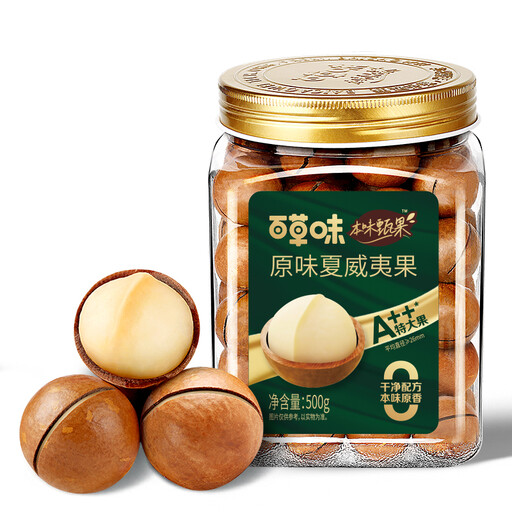
Why this fits the profile: For macadamia nut lovers who want a large pack for snacking, desserts or baking recipes.
According to the product information, this is 100% macadamia nuts with no added salt, sugar or spices.
500 grams, one clearly stated ingredient and 0.1 grams of salt per 100 grams according to the product description.
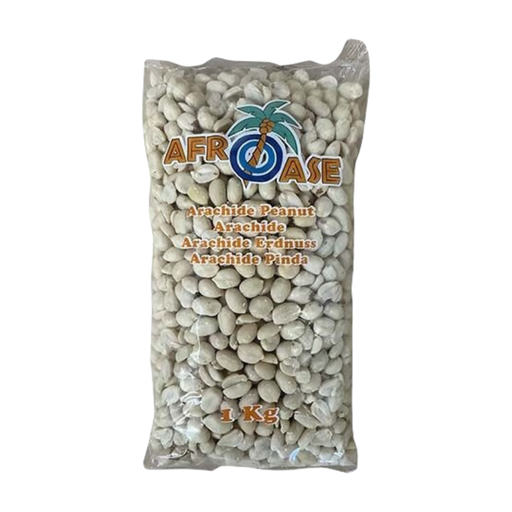
Why this fits the profile: A large pack for anyone who regularly uses peanuts in snacks, recipes or for stocking up for multiple people.
The product page distinguishes between variants such as raw, roasted and sugared peanuts. Check which variant is on the packaging when you receive it.
1 kilogram content and variants for different uses; the stated nutritional values vary by variant.
We've put together a full, up-to-date list of products that fully meet these strict selection criteria and comply with current European safety regulations.
Choose a pack that seals well and contains an amount you'll use within a short time. Individually wrapped chestnuts or smaller bags of cashews and peanuts are practical for the office, travel or a break. Always check the allergens on composite products.
That depends on the type, packaging and storage. Store nuts in a dry, cool place and keep them tightly sealed. Follow the date and instructions on the packaging. Pine nuts, walnuts and macadamia nuts contain relatively high levels of fat; a well-sealed pack helps preserve the flavour. If in doubt, don't taste or smell further, and don't use the product if the packaging is damaged.
Unsalted nuts generally contain no added salt, but that doesn't automatically make every product suitable for every situation. Also look at portion size, total energy content, allergens and any added oil. Use the nutritional information table to compare unsalted nuts, roasted varieties and seasoned nuts objectively side by side.
